Description of Triangular Drill Rod Connection, Cleaning, Maintenance, and Drive Methods
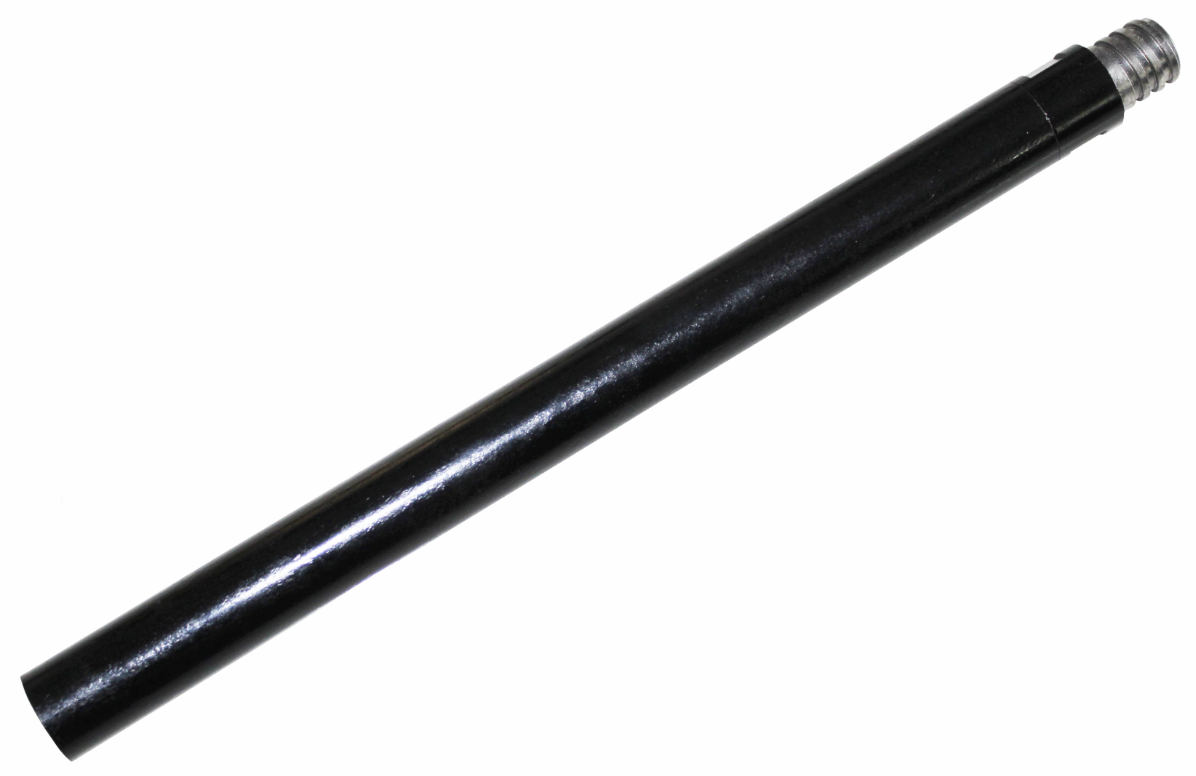
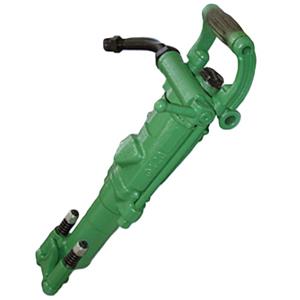
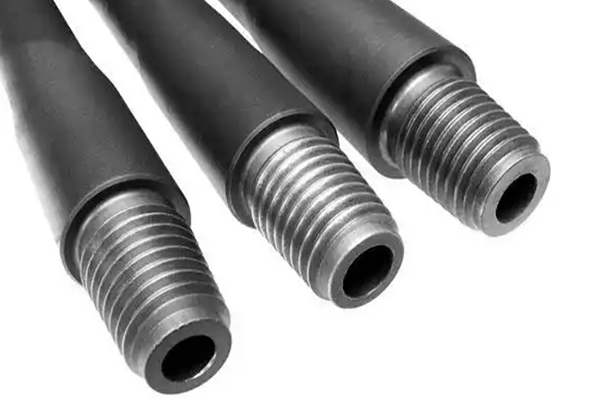
A triangular drill rod is a steel pipe with a threaded pin at the tail. It is mainly used to connect surface drilling equipment on the rig with downhole drilling or milling tools and bottom‑hole assemblies. Its core functions are to convey drilling mud to the bit and, together with the bit, to enable hoisting, lowering, and rotation of the bottom‑hole assembly. During rotation, the triangular drill rod is subjected to high torque, torsion, bending, and vibration, and is designed for repeated use.
Precautions for Connecting the Triangular Drill Rod
All connection bolts at every interface must be fully tightened to prevent loosening or falling off into the drill string, which could cause a stuck‑pipe failure.
Heavy‑duty elevator links and wire rope clamps must be selected from reliable, high‑quality products to avoid component breakage. Fragments entering the drill string can also lead to stuck‑pipe problems.
Precautions for Cleaning and Maintaining Triangular Drill Rod Connections
Disassembly and cleaning of hydraulic components must be carried out in a clean room that meets relevant national standards. Where conditions allow, the operating room should be pressurized so that the indoor pressure is higher than the outdoor pressure, preventing airborne dust from contaminating the system. If site conditions are limited, the operating area must at least be physically separated. It is strictly forbidden to assemble hydraulic components in the same room as machining areas or fitting/bench‑work areas, and it is even more prohibited to disassemble or assemble hydraulic components outdoors, in sheds, storage rooms, or warehouses.
Operators must wear work clothing and caps made of low‑lint fabrics to prevent fibers, dust, hair, skin flakes, and other contaminants from entering the hydraulic system and causing artificial contamination. Smoking and eating are strictly forbidden inside the operating room.
Hydraulic components must be cleaned on a dedicated cleaning bench. If this is not available, the temporary workbench must be kept thoroughly clean to avoid contaminating the parts.
Kerosene, gasoline, or hydraulic oil of the same grade as the working fluid of the hydraulic system may be used as cleaning fluid.
After cleaning, parts must not be wiped with cotton, linen, silk, or synthetic fabrics, as loose fibers can contaminate the system. Where necessary, components can be dried using clean, dry compressed air.
Cleaned components must not be placed directly on soil, concrete floors, wooden floors, fitting benches, or assembly benches. They should be stored in lidded containers filled with clean hydraulic oil.
Components that have been cleaned but are not to be assembled immediately must be stored in rust‑preventive oil. In humid regions and during wet seasons, special attention must be paid to anti‑corrosion and rust prevention.
Drive Methods for the Triangular Drill Rod
There are two main drive methods for the triangular drill rod:
Top‑Drive System
A movable pulley system and main hook are arranged below the crown block at the top of the derrick. The main hook suspends the top‑drive unit, which incorporates an electric motor. Rotation of the motor directly drives the square or triangular drill rod and the bit. A rotary table is still used in this configuration, mainly to assist in handling and hoisting drill rods when adding stands. In some operating conditions, the rotary table can remain stationary.
Rotary Table Drive
The square or triangular section of the drill rod is inserted into the rotary table. Rotation of the rotary table directly drives the drill rod and bit to rotate.