Detailed Analysis of Different Drill Rod Types and Key Precautions
Round drill rods, coal drill rods, and rock drill rods are widely used high-precision products in mining and coal extraction, and their quality is therefore under close scrutiny. During manufacturing, balancing strength and toughness is a common technical challenge. At the same time, as directional and horizontal wells increasingly replace part of the traditional vertical-well workload, performance requirements for drill rods have become more demanding. In real operations, some degree of drill rod damage is also inevitable.
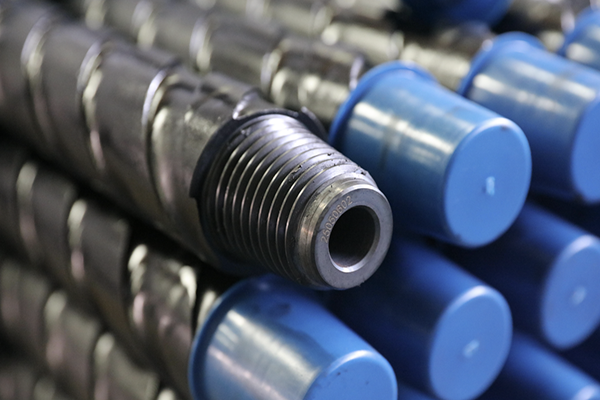
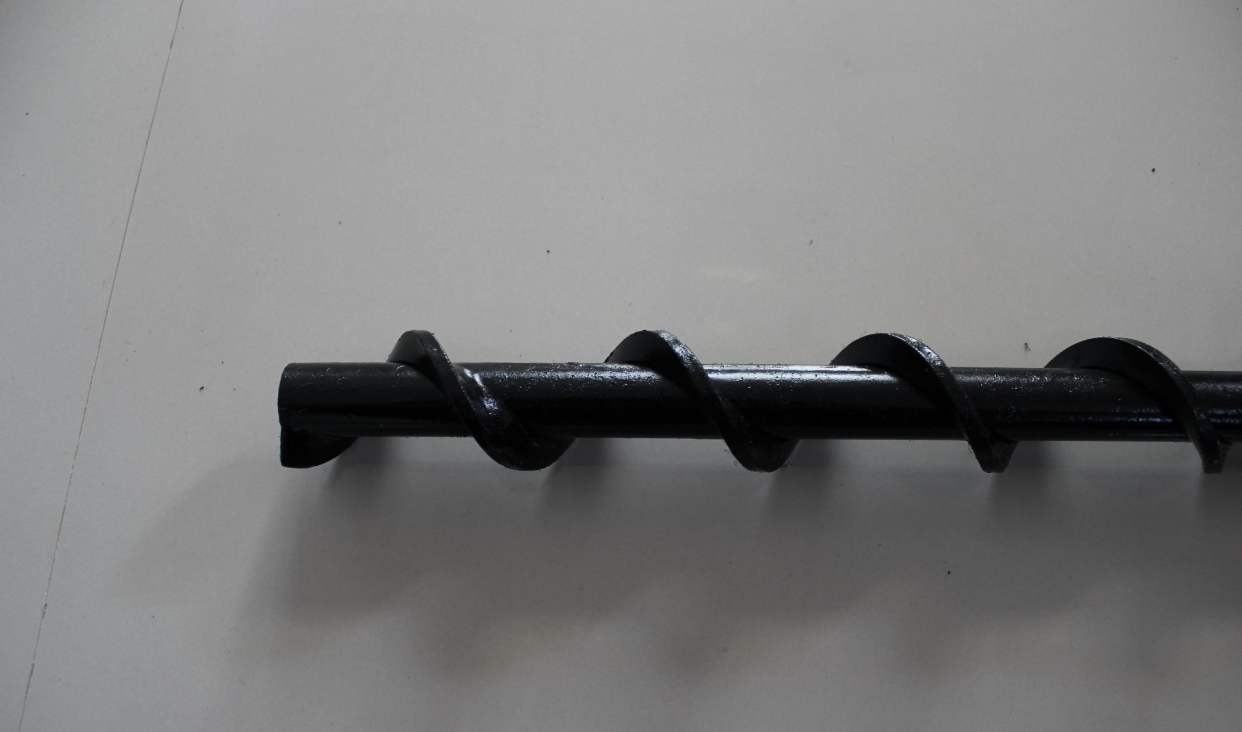
Spiral drill rods are developed from the high-torque capability of geological drill rods and are manufactured with either single-helix or double-helix blades using prestressed winding and fully automated welding processes. Products with diameters of 42 mm and below are generally classified as spiral drill rods. Geological spiral drill rods with diameters up to 73 mm can be directly matched with various underground mining drilling rigs without changing existing operating methods. The rig can clamp the outer cylindrical surface directly for both drilling and rod replacement, making operation simpler and more efficient while significantly reducing labor intensity.
Geological spiral drill rods are mainly suited to deep-hole drilling in medium-hard and harder formations and provide effective cuttings removal. Standard spiral drill rods are better suited to water-exploration drilling in coal seams and near-coal formations, offering lower weight, easier connection, and faster cuttings transport. In practical operations, users should follow the principle of selecting the lowest possible steel grade that still meets strength requirements. Choosing drilling tools based on actual field conditions can reduce procurement costs and lower the likelihood of construction accidents.
Based on thread profile, drill rod connections are commonly divided into four types: Internal Flush (IF), Full Hole (FH), Regular (REG), and Numbered Connection (NC). A proper threaded connection must satisfy three core conditions: matching dimensions, identical thread type, and correct male-female thread compatibility. The basic operating principle of a spiral drill rod is as follows: power is mainly provided by drilling fluid and the motor system. Drilling fluid pumped by the mud pump flows through the drill string into the hydraulic motor in the spiral drill rod. A pressure differential forms between the motor inlet and outlet, driving rotor rotation. Torque and speed are then transmitted through the universal shaft and drive shaft to the bit to complete drilling.
In production, raw materials must first undergo non-destructive quality inspection, followed by welding of the steel tube body and tool joints. After welding, post-weld heat treatment and final weld finishing are performed to relieve residual stress at the welded joints. Before painting and packaging finished rods, multiple inspections must be completed, including hardness testing, pressure testing, and non-destructive testing, to ensure compliance with quality standards. Mining steel tubes and round steel tubes go through several machining stages before becoming finished drill rods. The tube is first upset-thickened to increase wall thickness, then threads are machined, and a copper plating layer is applied to improve strength and overall service performance.
The rod body is typically made of special geological alloy steel pipe, while tool joints are made of alloy structural steel. After vacuum quenching and tempering, fatigue strength and shear resistance can be significantly improved. Advanced friction-welding processes give twist drill rods high bending strength and reliable weld integrity. In use, when a twist drill rod is used to drill anchor-cable holes in sidewalls, coal or rock powder is discharged along the helical flutes, reducing or eliminating the need for water-assisted dust removal. During downward-inclined roadway excavation, this also helps reduce water accumulation at the heading face. When paired with pneumatic coal drills, drill rods can markedly improve both tunneling speed and construction quality.
The following precautions are essential during use. Do not mix drill rods with different thread types under any circumstances. Even rods with the same nominal thread type from different manufacturers should not be mixed, because differences in technical specifications, machining methods, tooling, and equipment inevitably lead to differences in tolerance and thread fit, creating safety risks. Do not mix rods with large differences in service life or wear condition, as this can also increase operational risk. If localized thread damage is found, for example around one to two thread turns over roughly 10 mm in length, repair it promptly before reuse to ensure safe operation.