Don’t Panic When Stick‑Slip Occurs in Rock Drilling — Five Core Response Strategies
Stick‑slip is a common downhole problem in rock drilling characterized by periodic or sudden bit jumps and abnormal torque fluctuations. It reduces penetration rate, accelerates tool wear, and can lead to stuck pipe or drillstring failure. Promptly identifying causes and applying targeted remedies is essential to safe, efficient rock drilling operations. The following five strategies summarize practical measures.
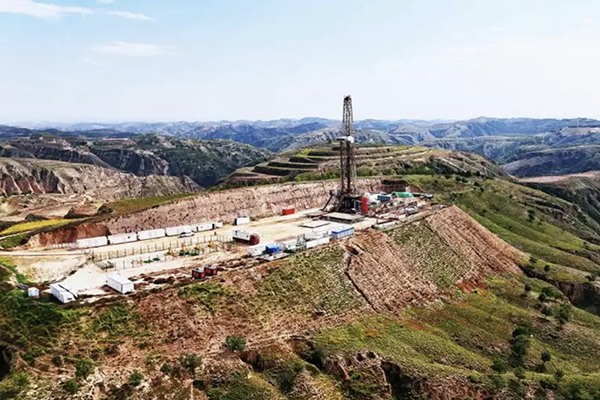
Optimize rock drilling parameters to address the root cause Mismatch between rock drilling parameters and formation conditions is a frequent trigger of stick‑slip. Dynamically tuning parameters can greatly reduce its occurrence.
Reduce weight on bit (WOB) sensibly: Excessive WOB that exceeds rock strength or bit loading limits can cause repeated “bite‑and‑slip” motion in hard formations. Reduce WOB incrementally based on real‑time torque and penetration changes to smooth the cutting action and lower instantaneous impacts.
Adjust rotary speed (RPM) dynamically: Choose RPM according to formation and bit type. In hard, brittle formations or when using steel‑tooth bits, high RPM increases wear and vibration; lowering RPM reduces high‑frequency impacts and helps prevent stick‑slip. In soft formations, raising RPM within safe limits can improve penetration rate and reduce cuttings build‑up.
Inspect the drillstring and bit assembly to ensure even downhole loading Wear, deformation or connection defects in the drillstring cause imbalance and are major hardware contributors to stick‑slip.
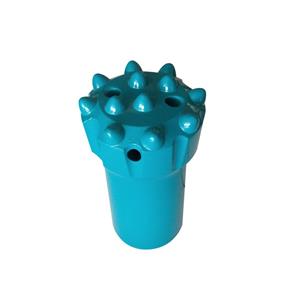
Check bit condition: Excessive wear, broken teeth, or bit balling (cuttings adhering to the bit) disrupt cutting stability. Pull and inspect the bit periodically; replace or clean it immediately when wear or balling is found.
Verify drill rod integrity: Bent or deformed drill rods, or loose threaded connections, produce eccentric vibration during rotation. Inspect visually and with through‑bore checks; replace bent rods and retighten/repair poor connections to restore straightness and stability.
Optimize rock drilling fluid to improve the borehole bottom environment Rock drilling fluid properties strongly affect cuttings transport and wellbore stability; poor fluid performance promotes cuttings beds or unstable holes that lead indirectly to stick‑slip.
Adjust fluid viscosity: Low viscosity reduces cuttings‑carrying capacity and allows a cuttings bed to form at the bit, causing sudden changes in cutting resistance. Increase viscosity or add viscosifiers to improve suspension and transport of cuttings.
Control fluid density: Excessive mud weight raises bottomhole pressure and contact stress on the bit, and can induce borehole narrowing that increases downhole drag. Adjust density based on formation pressure data, keeping it as low as practical while maintaining well control to minimize interference with rock drilling.
Match the process to geological complexity Formation heterogeneity is a fundamental cause of stick‑slip; it requires tailored operational tactics.
Pass through alternating soft and hard layers carefully: A sudden step from soft to hard rock causes abrupt cutting resistance changes and can trigger stick‑slip. Use a “reduced WOB and slow drilling” transition and, if needed, switch to a more suitable bit (for example, a tungsten‑carbide‑insert tricone instead of a steel‑tooth bit) to handle varying hardness.
Manage hole narrowing and collapse: For tight or collapsing sections, stabilize the wall first by increasing fluid viscosity, adding lost‑circulation or bridging agents, and then resume rock drilling with adjusted parameters. If sticking occurs, employ a downhole jar or shock tool to help free the assembly and prevent escalation.
Strengthen site management, training and maintenance Effective prevention and response combine technical measures with solid management.
Improve operator skills: Train crews to maintain steady feed and avoid sudden changes in WOB or RPM. Monitor torque meters, weight indicators and other instruments closely; stop and inspect at the first sign of abnormal fluctuations to enable early intervention.
Maintain equipment and records: Implement routine maintenance for rig and tools, perform timely inspections, and log all incidents and parameter adjustments. Analyzed records of stick‑slip occurrences under different formations and operating conditions will help develop targeted preventive and corrective plans.
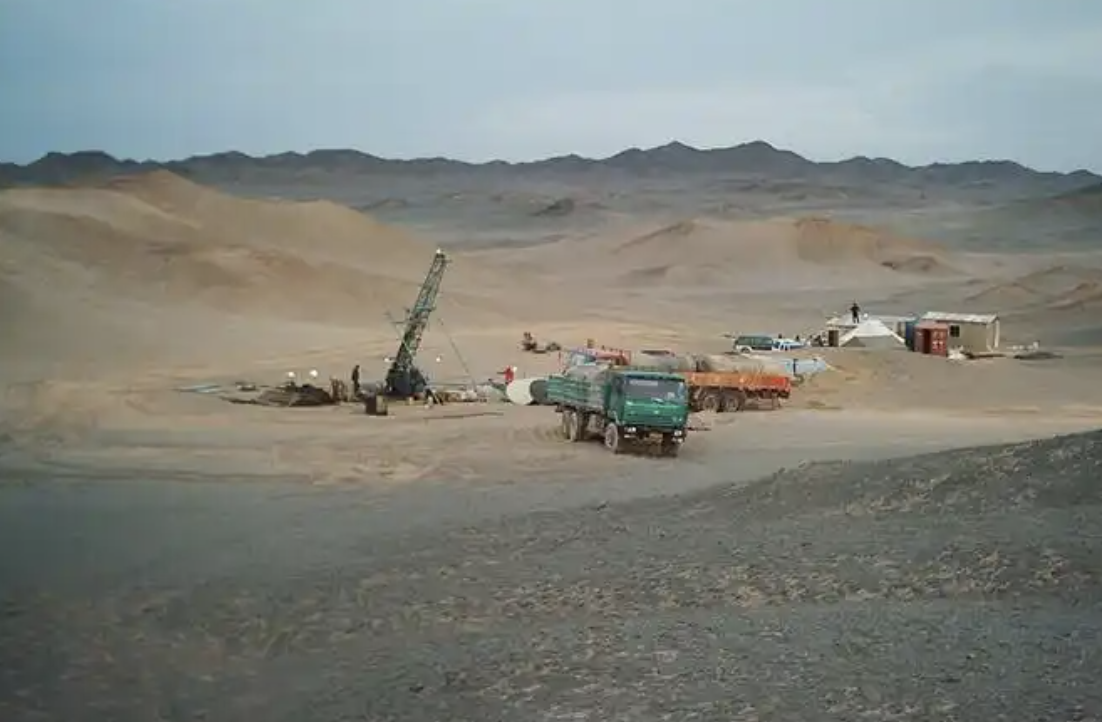
Summary:
Preventing and managing stick‑slip requires coordinated action: correct rock drilling parameter settings, reliable drillstring condition, effective rock drilling fluid properties, formation‑adaptive techniques, and disciplined site management. Apply these five core strategies to reduce downtime, protect equipment and keep rock drilling operations safe and efficient.