How to Choose Drill Rods for Different Types of Mines
In mining operations the drill rod is the core component for rock drilling and hole-making; its material, design, and performance directly determine drilling efficiency, operating cost, and safety. Because geological conditions and extraction intensity vary significantly between mine types, selecting the right rod for the application is essential to reduce costs and improve productivity.
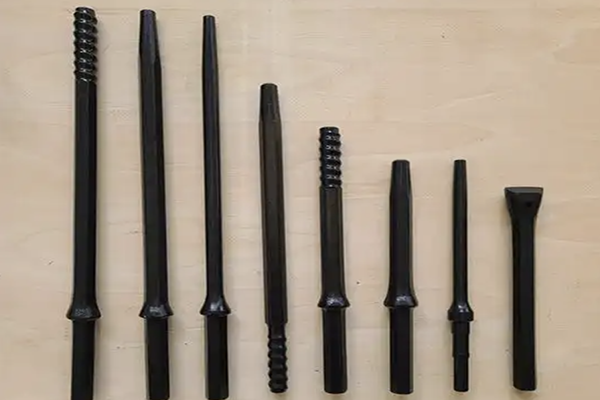
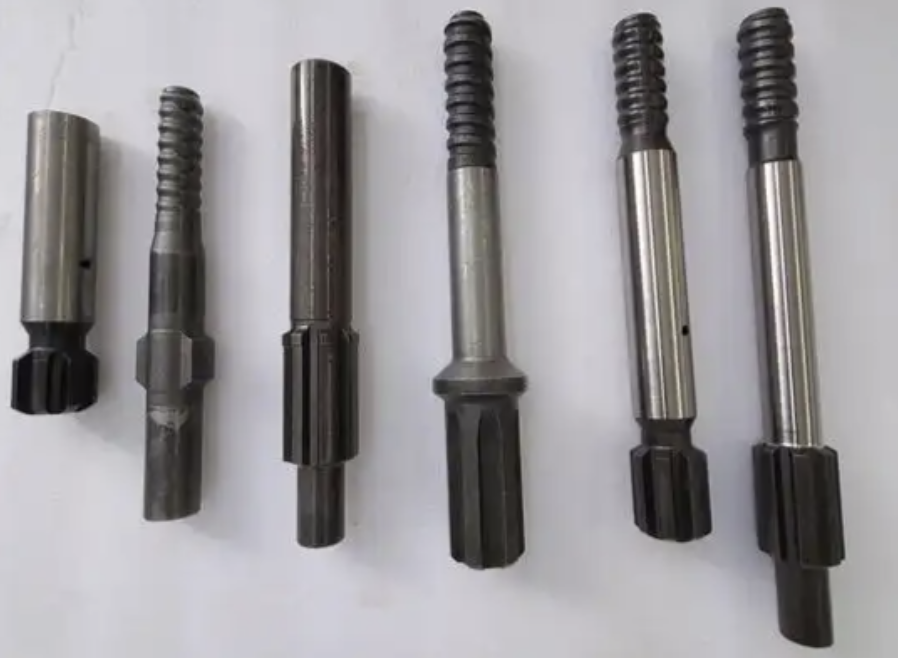
Open‑pit mines commonly encounter hard rock and require large‑diameter holes while operating in open environments with high‑power equipment. For these conditions, heavy solid rods or threaded‑connection rods are preferred. Made from high‑strength alloy steel and forged for impact resistance, these rods withstand the high‑frequency impact loads of surface drills and suit deep‑hole blasting applications. Threaded connections facilitate rapid bit replacement, improving operational continuity and reducing rod breakage and wear caused by hard rock.
Underground mines are constrained by tunnel space, typically involve medium‑to‑small boreholes, and often feature complex geology with broken rock and fractures. Lightweight hollow rods or hydraulic drill rods are recommended for such settings. Hollow rods are light and maneuverable, making angle adjustments in confined spaces easier; hydraulic rods, driven by precise hydraulic systems, offer greater stability when drilling in fractured rock, reducing the risk of jamming or breakage and producing less dust—beneficial for underground safety and environmental control.
Coal mines present unique hazards including gas and coal‑dust explosion risk, and coal seams and surrounding rock are relatively soft. Flame‑retardant, antistatic rods are required here. These rods use special coatings to provide flame retardancy and dissipate static, minimizing the chance that friction sparks could trigger an accident. For soft, collapse‑prone coal seams, rods with smooth shaft surfaces help reduce drilling resistance and lower the likelihood of hole collapse and plugging.
Sand and gravel (aggregate) operations generally deal with weathered or soft rock, but drilling intensity and frequency are high, so wear resistance is critical. Wear‑coated rods—whose shafts are sprayed with wear‑resistant alloy coatings—substantially improve abrasion resistance and service life. Compared with standard rods, they can reduce replacement frequency by more than 30%, cutting consumable costs and matching the large‑scale, continuous pace of aggregate extraction.
Choosing the right drill rod is not simply a matter of matching it to the mineral; it requires an integrated assessment of geological conditions, equipment type, and operating intensity. Xinjiang Jianfeng Engineering Machinery’s drill rod series is developed with different mining scenarios in mind and subjects material selection, forging, and processing to strict quality control. These tailored solutions aim to provide mines with efficient, durable drilling performance that supports both safe extraction and improved economic returns.