How to Maintain Rock Drilling Bits to Avoid Frequent Replacements
Why bit wear is harmful and why maintenance is necessary Bit wear is a common issue in drilling operations, caused mainly by harsh drilling conditions and improper handling. Worn bits develop characteristic wear patterns; if they are not identified and reconditioned before the end of their wear cycle, bit performance will drop sharply and bits may be retired prematurely. That increases operating costs and delays progress. Systematic maintenance is therefore essential to extend bit life and preserve drilling efficiency.
Key maintenance measures a. Enforce contact rules to prevent improper wear
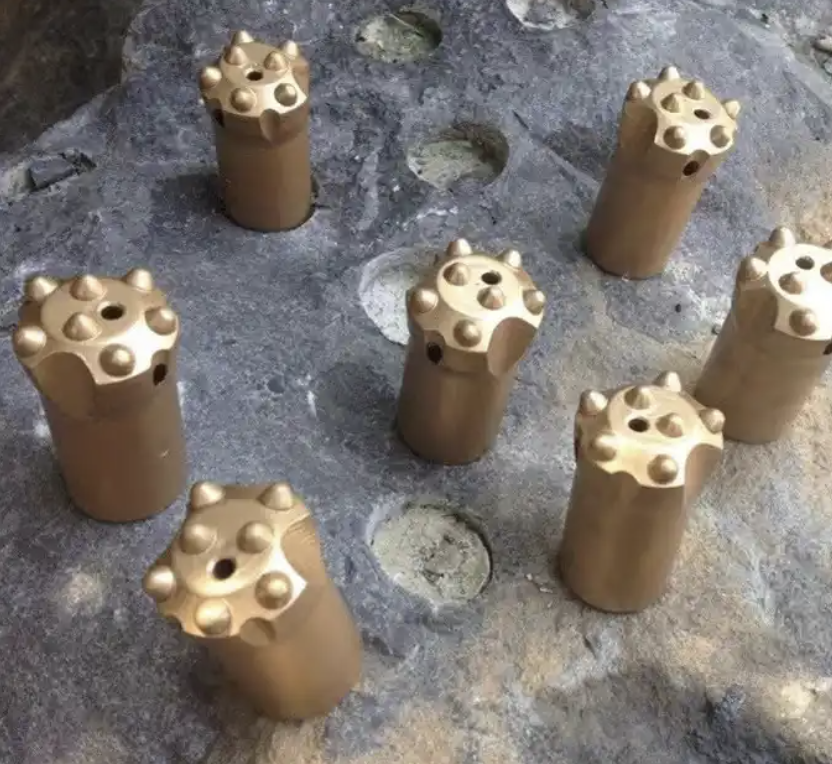
Principle: Except for designated carbide buttons, no part of the bit should contact metal surfaces. Also prevent carbide buttons from striking each other at their bases to avoid chipping or breakage.
b. Perform pre‑use inspections to detect hidden problems
When to inspect: Carry out a full inspection before transport stages that risk damage and before authorizing the bit for use.
Record keeping: Log and retain the bit’s serial number and model information to support periodic inspections and traceability.
c. Apply correct assembly lubrication to ensure secure connections
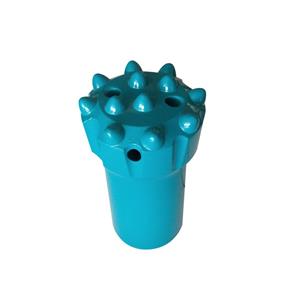
Before installing the bit on the hammer, evenly and fully coat the bit spline area with grease to reduce frictional damage and ensure stable power transmission.
d. Inspect the tail pipe (tail sub) carefully to ensure drive safety
Installation and height check: Verify the tail pipe is installed in the correct position and that the exposed length complies with equipment specifications, preventing imbalanced loading on the bit.
Integrity and related issues: Ensure the tail pipe is free of cracks. Tail pipe fractures commonly result from piston or cylinder wear that induces linear deviation. Insufficient lubrication can also cause extraction difficulties and accelerate corrosion. During inspection, confirm lubrication status and corrosion protection are adequate.
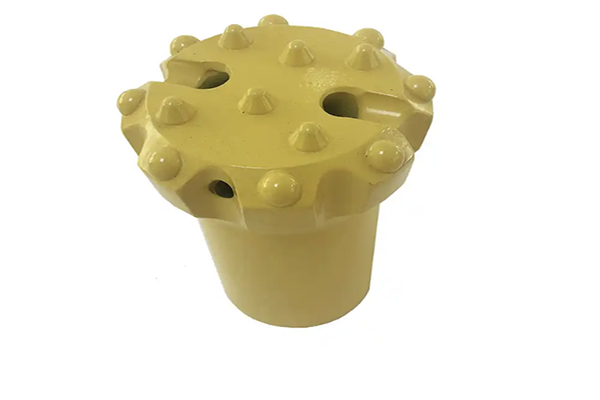
Stable bit performance underpins efficient drilling. The measures above cover the critical points of bit lifecycle management. Strictly following them reduces wear risk, extends service life, and supports the economic and safe execution of drilling operations.