Key Factors for Improving Hole-Forming Speed of Rock Drilling Rigs
When purchasing drilling equipment, professionals in drilling and rock excavation all hope to achieve ideal performance in both hole-forming efficiency and bit operating speed—namely, faster penetration with lower energy consumption.
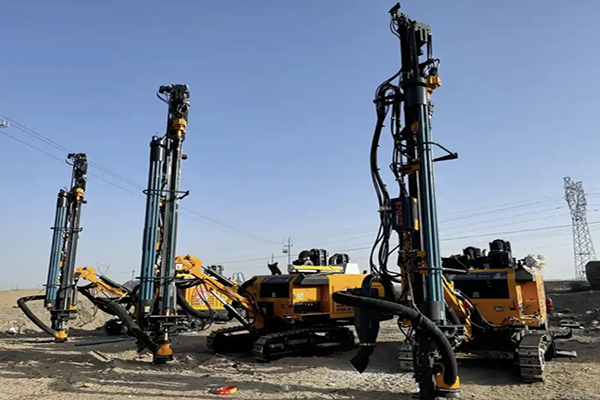
At present, many construction projects are privately contracted, and payment is often based on the number of completed boreholes, whether the target quantity is fixed or open-ended. Under compliant construction practices, the more holes completed, the better the project return is likely to be.
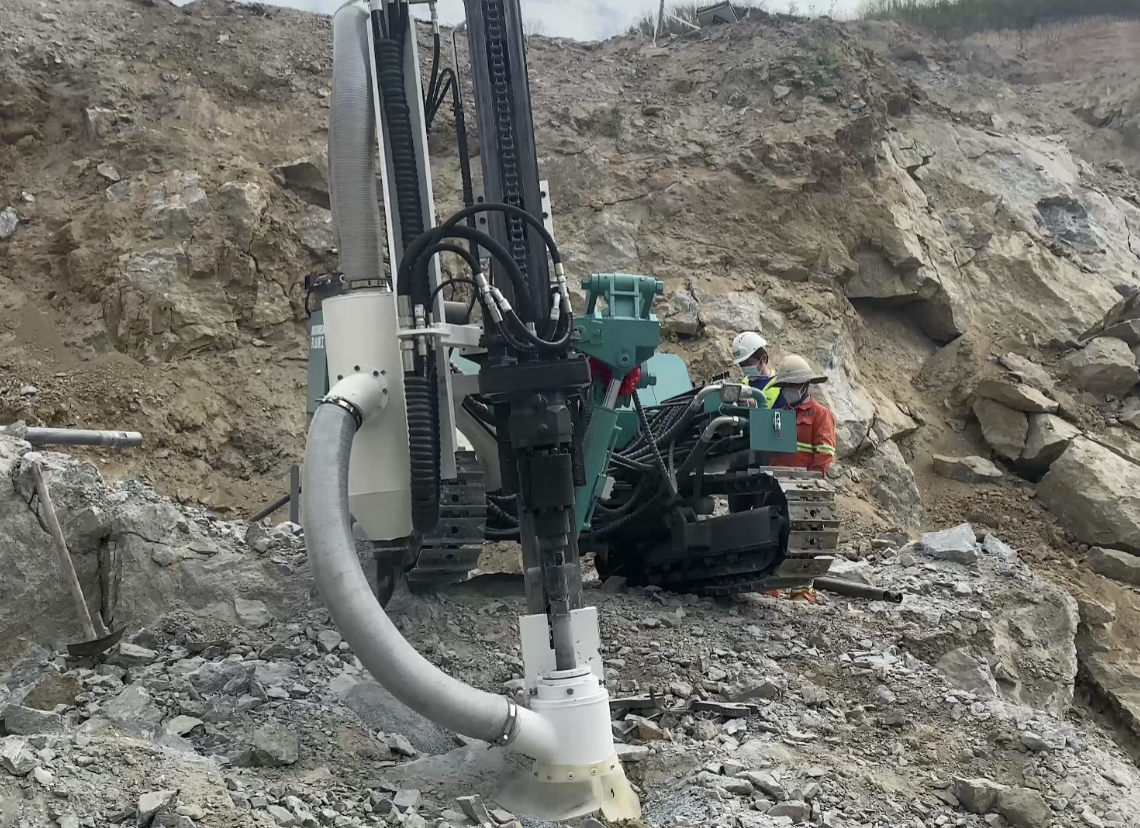
Against this backdrop, when selecting a rock drilling rig, contractors consider not only equipment price and after-sales service but also drilling efficiency—especially hole-forming speed. This speed depends partly on the rig’s own performance, but it is also heavily constrained by site conditions such as rock hardness and other geological factors. In addition, the drilling method and process details used during anchor drilling operations are also decisive factors.
First, rig selection must be based on specific construction parameters. Choosing equipment that best matches site conditions and target productivity is the foundation for high hole-forming speed. If the rig is poorly selected, even additional manpower and resources may not deliver the expected results. Second, geological conditions must be thoroughly understood in advance so that an appropriate drilling process can be matched to the formation. The following factors directly affect drilling speed:
Control of drilling angle
Reasonable drilling angles can significantly improve rock-breaking efficiency. Rock structure follows certain patterns, and optimizing drilling angles according to those structural characteristics is an important step in accelerating penetration speed.Matching to rock properties
Rock hardness and brittleness have a major impact on drilling speed. In general, higher hardness and greater brittleness are more favorable for efficient rock breakage, which helps ensure faster hole formation.Matching impactor parameters
Different rock hardness levels require different impactor settings. For medium-hard and softer formations, high-frequency, low-impact-energy impactors usually provide better rock-breaking results. For hard and extremely hard formations, low-frequency, high-impact-energy impactors are more suitable to maintain rock-breaking efficiency and drilling speed.
In summary, construction outcomes vary under different site conditions. To ensure high hole-forming speed, the core approach is to complete rig selection based on actual field conditions and then optimize drilling methods accordingly. This dual strategy—proper equipment matching plus process optimization—is key to achieving efficient drilling performance.