Maintenance and Care Methods for PDC Drill Bits
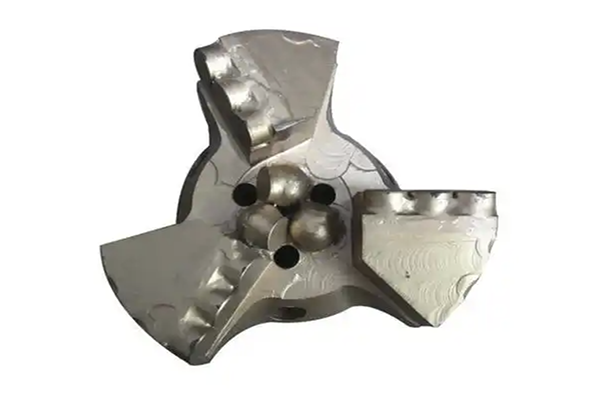
When a PDC drill bit is used together with a drilling rig and related drilling equipment, it serves as the only component that directly cuts rock. Because of this, it has a limited service life. After every drilling operation, timely maintenance is essential. Proper care not only extends bit life, but also supports efficient performance in subsequent drilling work.
1. Electroplated Layer Maintenance
Scientific and timely maintenance can significantly extend the service life of electroplated diamond bits while reducing overall drilling costs.
After each operation:
Clean the bit crown and matrix thoroughly.
Check for defects such as matrix separation or cracks in the bit body.
Inspect the wear condition of exposed diamonds on the cross-section.
If the bit can no longer drill effectively or perform core retention properly, replace it immediately.
If the bit body and matrix remain intact but penetration rate drops sharply or slipping occurs, you may:
switch to a 6°–8° diamond bit, or
manually dress the crown to re-expose cutting edges,
so as to recover drilling efficiency.
To keep electroplated bits in optimal penetration condition, complete cleaning and detailed inspection must be carried out after every use.
2. Overall Bit Maintenance
PDC bits fall within the category of geological diamond bits and are generally divided into core bits and non-core bits. Regardless of type, regular maintenance is required.
After each hole is completed, first inspect carbide wear:
If wear on the outer gauge protection strip exceeds two-thirds, continued use will severely reduce drilling efficiency and accelerate wear of the core barrel and drill rods.
In this case, replace the bit or re-weld the carbide in time.
Next, check wear on the cutting cutters at the bit head:
If the remaining cutter material is less than one-fifth, continued use is prohibited.
Replace the cutters or perform re-machining to restore cutting depth.
Although diamond bit prices have dropped significantly in recent years, cost control remains a key objective in drilling operations. Timely maintenance not only reduces drilling costs, but also lowers the risk of drilling accidents, providing strong support for safe and efficient project execution.