Methods to Extend the Service Life of Rock Drilling Rods Through Standardized Construction Practices
As a core component in drilling operations, the service life of a rock drilling rod directly affects both construction efficiency and cost control. By standardizing operating procedures and strengthening detail management, abnormal rod wear can be effectively reduced and overall service life can be significantly extended. Key measures are as follows:
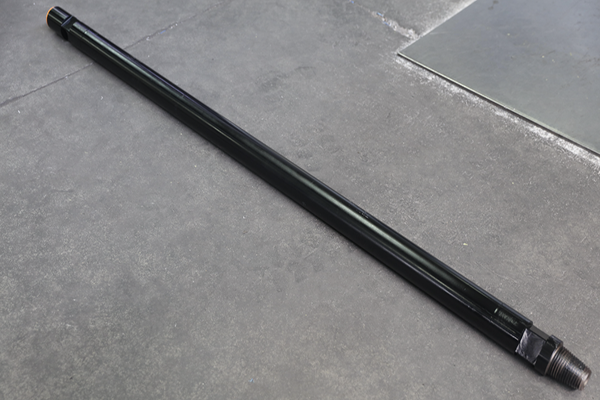
Strictly standardize operating procedures
During construction, operations must strictly follow the rated tensile load, torque, and bending radius requirements for each type of drilling rod. For contractors, proper and standardized rod use is the fundamental condition for preventing abnormal failure. It reduces the risk of breakage, excessive wear, and related faults at the source, ensuring continuous operation.Emphasize the protective role of the transition rod
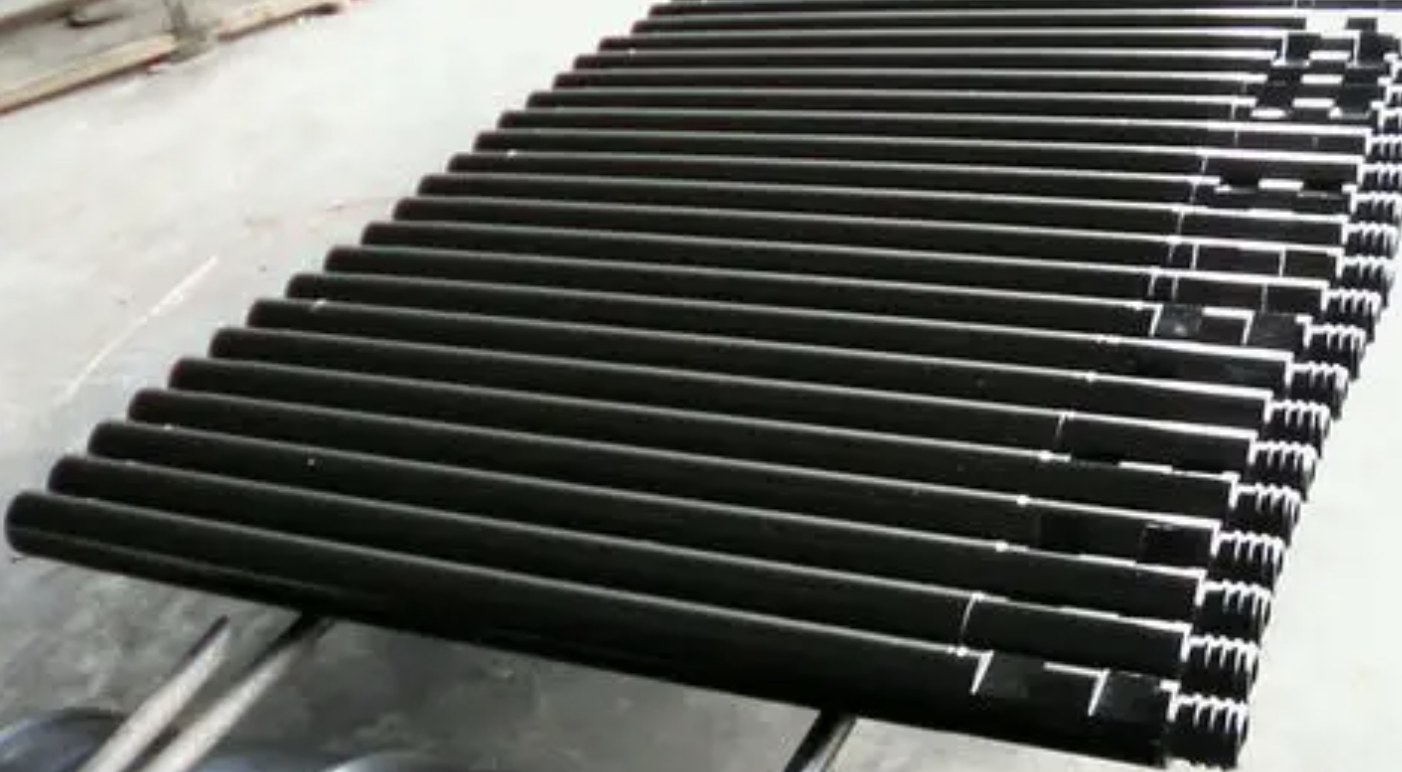
During reaming and pullback, the rod directly connected to the reamer often works at an actual bending radius much smaller than the designed bore curvature. Under combined rotation and tensile loading, this rod is subjected to high cyclic stress, which can cause fatigue damage, cracks, and eventual fracture. Such fractures are commonly found about 0.3–0.8 m from the male tool joint. Installing a transition rod between the standard rod and the reamer allows the transition rod to absorb the small-radius transition load, thereby protecting the standard rod. This protective function is often overlooked, and many rod fractures that appear to have no clear cause can be traced to this issue.Prevent rod buckling and instability
From a mechanical standpoint, a drilling rod behaves as a slender member and is therefore vulnerable to buckling under compressive load. During pilot-hole drilling, free rod sections should be properly constrained to prevent bending failure caused by instability during directional advancement. Buckling most often occurs in the rod section between the rig clamp and the ground entry point. In practice, this section should be shortened as much as possible or controlled with targeted restraints. As a general rule, the free rod length should not exceed 20 times the rod diameter.Use thread compound correctly and consistently
Using high-quality thread compound helps prevent thread galling, reduces breakout torque, minimizes thread surface wear, and improves thread sealing performance. This avoids rod failures caused by thread damage and extends the life of both the threaded connections and the rod as a whole.Select and use flushing fluid properly
In complex formations such as sand layers and gravel/cobble strata, high-quality drilling mud should be used as flushing fluid. Mud forms a dense filter cake on the rod surface, providing effective lubrication. This reduces drilling torque and rod wear, while also supporting borehole wall stability and cuttings transport—functions that are critical for rod protection.Carry out regular inspection and timely retirement of rods
After a period of use, rods should be inspected regularly for wear level, bending deformation, and scratch depth. Rods with excessive wear, obvious bending, or deep surface scratches must be scrapped in time to prevent safety incidents during continued operation. Special attention should be given to the forged-rolled transition section, where stress concentration is high and wear/deformation is more likely; inspection in this area should be especially rigorous.