Mining Intelligent Robot R&D Catalogue Released to Strengthen Safety Defenses
The hazardous, strenuous, and dirty nature of mining work has long been a core safety challenge. Subsurface high‑risk environments, intensive physical labor, and hidden hazards continuously test the industry’s safety management capabilities. Recently, China’s National Mine Safety Administration published the "Key R&D Catalogue for Mining Intelligent Robots" (the Catalogue), which precisely targets the need to substitute humans in dangerous roles. The Catalogue defines seven major categories and 56 robot development directions, injecting new technological momentum into mine safety.
This Catalogue not only clarifies the R&D pathways for intelligent mining equipment, it also signals an acceleration toward a machine‑substitution era, using technological innovation to resolve safety issues and promote high‑quality development in the mining sector.
Seven comprehensive directions addressing frontline pain points The Catalogue covers the full mining production chain—from tunneling and extraction to rescue—targeting high‑risk, high‑intensity positions. Each robot category addresses specific operational challenges, making “safer by removing people from harm’s way” increasingly achievable.
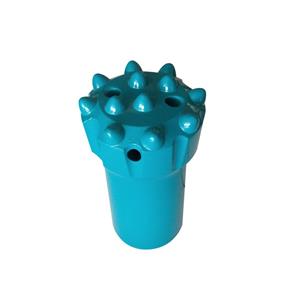
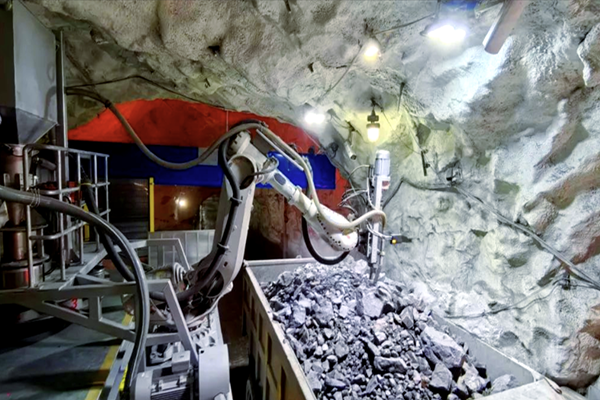
Tunneling intelligent robots: opening safe underground access Tunneling is the vanguard of mine production; traditional tunneling requires work in harsh, dusty environments with significant collapse risk. The Catalogue lists seven tunneling robot directions, including robotic teams for tunneling faces, drill‑and‑anchor robots, and blasting robot teams. These systems aim to automate the full tunneling cycle—drilling, bolting, and blasting—replacing humans in high‑risk tasks, substantially reducing personnel exposure while improving tunneling efficiency and accuracy.
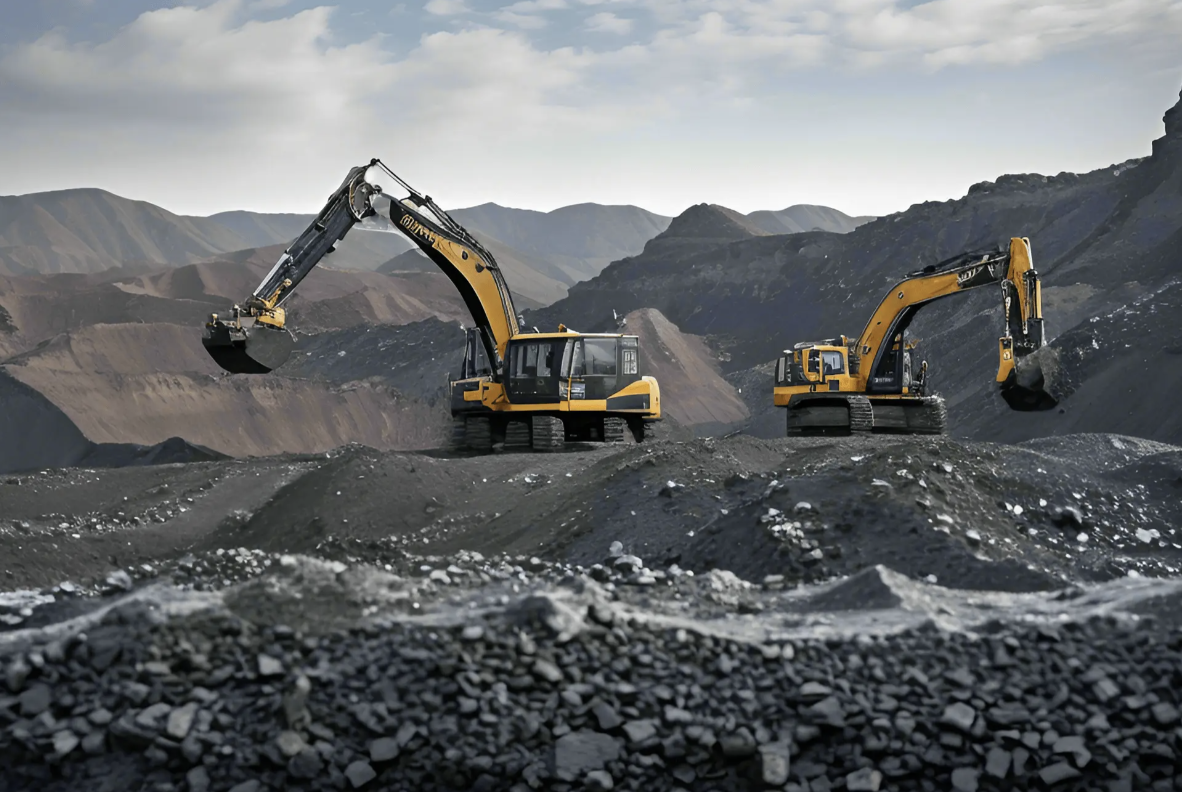
Mining intelligent robots: building the core of unmanned extraction Mining operations are physically demanding and involve complex equipment, with risks such as roof collapse and gas outbursts. Seven mining robot types are included—such as robotic groups for longwall faces, integrated mining/supported extraction robots, and loading/shoveling robots—suitable for both underground coal mines and open‑pit operations. They enable intelligent automation of coal cutting, roof support, and loading, helping transition working faces from “manned supervision, manual operation” toward “unmanned supervision, intelligent control.”
Transportation intelligent robots: creating an efficient, safe transport network Mine transport lines are long and environments complex; manual driving is prone to collisions and rollovers. Six transport robot types— including autonomous haulage robots, driverless monorail hoist robots, and spoil‑disposal robots—are intended to realize unmanned transport, transfer, and spoil handling in both underground and open‑pit sites. With precise positioning and intelligent scheduling, these systems increase efficiency and eliminate accidents caused by human error.
Processing intelligent robots: upgrading downstream processing into an intelligent workshop Processing plants have dense equipment layouts and dusty conditions; some tasks require close human interaction with heavy machinery, posing mechanical injury risks. Four processing‑area robot types focus on key operations such as reagent preparation and dosing, grinding media addition, and flotation cell cleaning. Replacing humans in repetitive, high‑risk tasks improves process precision and stability and advances processing plants toward intelligent, greener operations.
Auxiliary operation robots: building a full‑process safety barrier Auxiliary tasks span every stage of mine production, are widely distributed, and contain many risk points, making them a weak link in safety management. The Catalogue includes 25 auxiliary robot types—the largest and most diverse group—covering exoskeleton assist robots, roadway repair robots, various inspection robots, and borehole‑drilling robots for water control. From roadway maintenance and equipment inspection to water hazard prevention, these robots comprehensively replace humans for hazardous, strenuous, and dirty auxiliary work, creating a full‑process safety protection system.
Safety‑control intelligent robots: integrated risk prevention and control Although safety‑control robots are not listed as a separate set of models, their core functions are deeply embedded across the other six categories. By integrating safety monitoring and early‑warning modules into tunneling, mining, and inspection robots, the Catalogue promotes an integrated “work + safety control” model that continuously senses key indicators—methane concentration, roof pressure, equipment status—and enables early hazard detection, keeping risks at bay.
Rescue intelligent robots: emergency response life‑savers Mine disasters create complex, dangerous rescue environments where manual rescue risks secondary casualties. The Catalogue specifies seven rescue robot directions for tasks such as disaster‑site detection, submerged‑environment sensing, firefighting, and emergency drainage. These robots can enter areas threatened by collapse, flooding, or toxic gas leaks to perform environmental surveys, search and rescue, and emergency interventions, supplying accurate data for rescue decisions and maximizing protection for rescue personnel.
Technology‑driven pathway to intelligent, safer mines The release of the Key R&D Catalogue for Mining Intelligent Robots outlines a clear development roadmap for the intelligent mining equipment industry and provides solid technological support for mine safety. As these intelligent robots are gradually deployed, they will fundamentally change the traditional labor‑intensive model, enabling full substitution of high‑risk roles, precise hazard control, and efficient emergency coordination.
Looking ahead, with continuous technological iteration, mining intelligent robots will trend toward cluster operation, higher autonomy, and collaborative systems, further breaking through safety bottlenecks and advancing the industry from “safety under control” to “inherently safe.” These advances will help build modern mines that are greener, smarter, and safer.