Operating Precautions for Down-the-Hole Drill Bits
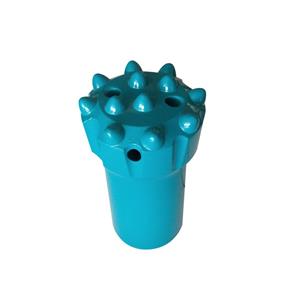
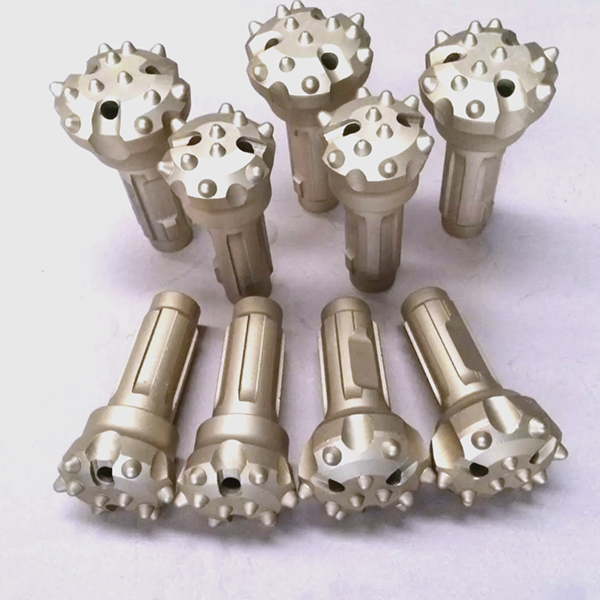
The down-the-hole drill bit (DTH drill bit) is the core component of a DTH drilling system that comes into direct contact with the rock. It works like the “teeth” of the drilling machine, and its condition directly affects drilling speed, hole quality, and overall operating cost.
In actual field work, improper operation often leads to problems such as accelerated bit wear, sticking, and tool damage. These issues not only reduce construction efficiency, but also increase maintenance and replacement costs.
To ensure better drilling performance and longer bit service life, operators need to follow a series of important precautions. Below is a practical guide to the correct use of down-the-hole drill bits.
1. Select the Right Drill Bit for the Working Conditions
Proper bit selection is the first step to achieving good performance. There is no “one-size-fits-all” DTH drill bit, so the bit must be chosen according to the actual drilling conditions.
Bit selection should consider both rock characteristics and drilling machine type.
According to Rock Type
For soft rock, choose bits with large flushing grooves and lower button density.
For hard rock, choose bits with high-wear-resistant carbide buttons and higher button density.
For highly abrasive formations, use bits specifically designed with enhanced wear resistance.
According to Air Pressure System
Different bits are designed for high-pressure and low-pressure DTH drilling systems. These specifications must not be mixed.
Using an unsuitable bit with the wrong air pressure system can lead to:
faster bit damage,
reduced drilling efficiency,
unstable hammer performance.
For best results, always match the drill bit to both the rock formation and the DTH hammer system.
2. Install the Drill Bit Correctly
Proper installation is essential for protecting both the bit and the drilling system.
One common mistake is hammering the bit forcibly into the chuck or bit retaining sleeve. This can damage the bit shank and the retaining components, which may later cause:
loose fit,
air leakage,
poor impact energy transfer,
unstable drilling performance.
The correct installation method is to:
align the bit carefully with the chuck or retaining sleeve,
insert it smoothly and gently,
confirm that it is seated properly,
rotate the bit by hand to check that it moves freely and does not stick,
start the drill only after confirming everything is in good condition.
Following this procedure helps ensure smooth operation and prevents unnecessary mechanical damage.
3. Maintain Sufficient Air Pressure and Smooth Hole Cleaning
During DTH drilling, high-pressure compressed air is used to drive the hammer piston and remove rock cuttings from the hole at the same time.
If the air pressure is insufficient, several problems may occur:
the hammer may work intermittently,
drilling speed may drop,
cuttings may accumulate in the hole,
bit balling or bit sticking may occur.
During operation, operators should monitor the compressed air system carefully and make sure that:
air pressure does not fall below 0.7 MPa,
the compressed air is dry and free from impurities.
If abnormal hammer operation or poor cuttings discharge is detected, drilling should be stopped immediately. Clear the blockage, restore the required air pressure, and continue only after the cuttings have been fully removed from the hole.
4. Prevent Metal Foreign Objects from Entering the Hole
Drilling environments are often complex, and metal objects falling into the hole can cause serious damage to the bit or lead to sticking.
If foreign objects such as:
bolts,
steel fragments,
iron debris,
are found inside the hole, the machine should be stopped immediately.
The correct response is:
remove small metal objects with a magnet,
retrieve larger objects using special recovery tools,
confirm that the hole is completely clear before resuming drilling.
Ignoring small foreign objects may result in much greater equipment loss later.
5. Be Careful When Replacing a Worn Bit
When a drill bit becomes worn before the hole reaches its design depth, operators must pay attention to the borehole diameter to avoid sticking problems.
If the original bit is excessively worn but the hole is not yet completed, it is not recommended to replace it directly with a brand-new bit of full diameter. Doing so may create a diameter mismatch and increase the risk of the new bit getting stuck.
Instead, the better approach is to:
use a used bit with a similar diameter to complete the remaining drilling,
replace it with a new bit only after the hole has been properly formed.
This helps maintain drilling continuity and reduces the risk of bit jamming caused by size differences.
6. Follow the Principle of Proper Matching, Standard Operation, and Timely Maintenance
To achieve the best performance from a DTH drill bit, operators should always follow three key principles:
Proper matching: choose the right bit for the formation and drilling system.
Standard operation: install and use the bit correctly during drilling.
Timely maintenance: monitor wear, remove blockages, and replace the bit when necessary.
With proper daily care and correct operating practices, it is possible to:
extend bit service life,
improve drilling efficiency,
reduce downtime,
lower maintenance cost,
ensure safer and smoother construction work.
Conclusion
The down-the-hole drill bit plays a decisive role in rock drilling performance. A good bit alone is not enough—correct selection, proper installation, stable air supply, and timely maintenance are all essential to getting the most out of it.
By following the precautions outlined above, operators can avoid many common drilling problems, protect their equipment, and ensure more efficient and reliable drilling operations.