PDC Drill Bits: Characteristics and Proper Use
PDC stands for polycrystalline diamond compact, referring to drill bits that carry PDC cutters. Also called PDC cutter bits or compact-cutter bits, these tools were introduced after GE developed the first PDC cutting element in 1973. Thanks to high penetration rates, long life, and good footage performance, PDC bits quickly became widespread in oil and gas drilling and are now produced by virtually all bit manufacturers.
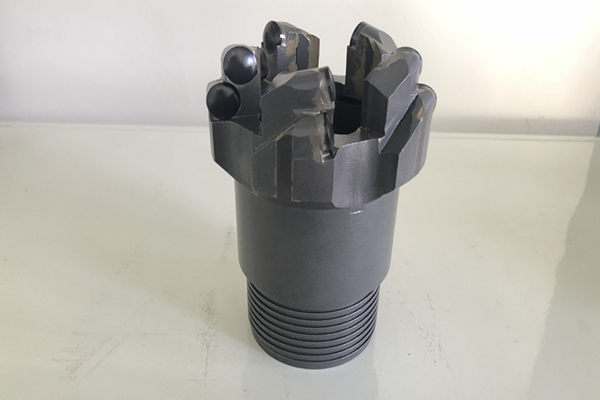
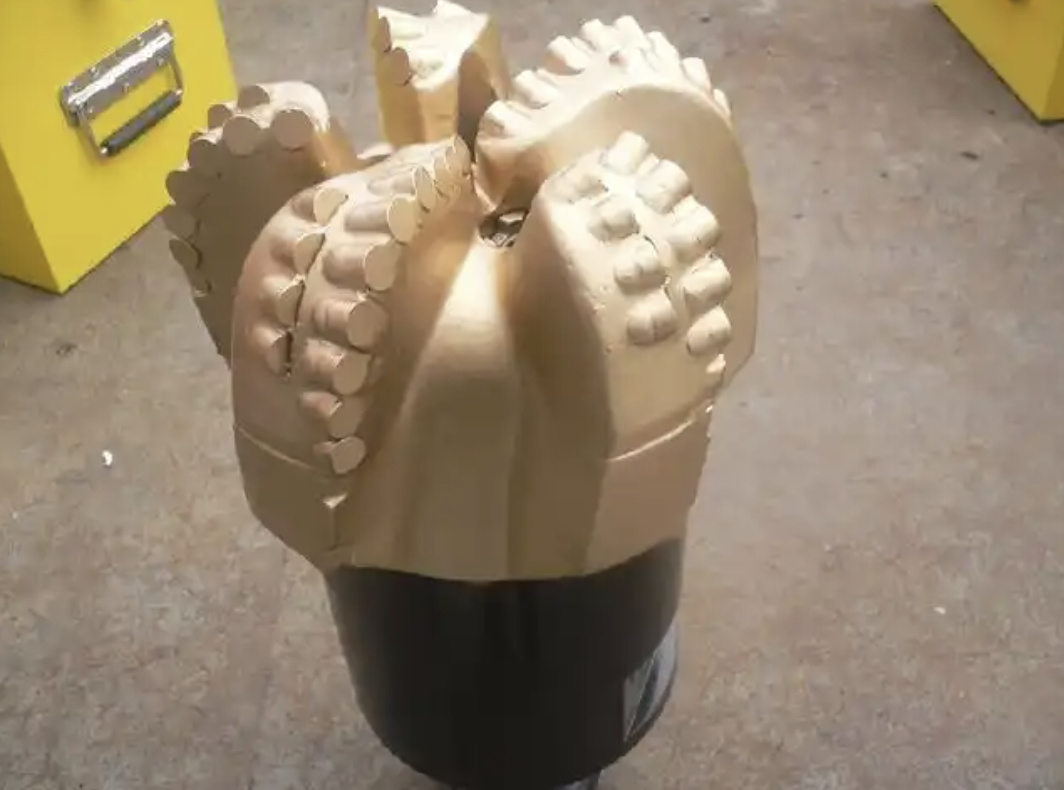
Structural features A PDC bit consists of a bit body, PDC cutting cutters, nozzles and related components. By structure and manufacturing method, PDC bits are commonly divided into two main types: steel-body and matrix-body.
Steel-body PDC bits are machined from medium-carbon steel as a single steel piece. Pockets are drilled or machined into the working face and the PDC cutters are press‑fit into these pockets. The bit crown surface is often surface‑hardened (for example by tungsten‑carbide spray coatings or carburizing) to improve erosion resistance. Advantages: simpler manufacturing and lower cost. Disadvantages: the steel body is less erosion‑resistant and cutter retention can be more difficult; these bits are less common today.
Matrix‑body PDC bits typically have a steel upper section and a lower section formed from a wear‑resistant tungsten‑carbide matrix made by powder‑metallurgy sintering. PDC cutters are brazed into preformed pockets in the matrix using low‑temperature braze. The hard, erosion‑resistant matrix provides longer life and higher footage, making matrix bits the more widely used option in contemporary drilling.
Working principle PDC bits break rock by shearing rather than by crushing. The PDC cutters are self‑sharpening and, under applied weight‑on‑bit, they easily penetrate the formation. Rotation and torque make the cutters advance and shear the rock. Because many cutters engage simultaneously and produce multiple free faces at the bottom of the hole, the rock is more readily broken by shear action. This mechanism yields high rock‑breaking efficiency and fast penetration.
Proper use and operating recommendations
Best applications: long, homogeneous formations from soft to medium‑hard where consistent cutting action is possible. PDC bits are generally not suitable for gravelly formations or zones with frequent soft‑hard alternations.
Recommended operating style: low weight‑on‑bit, high rotary speed (RPM), and high circulating flow volume produce the best results.
Running procedures: ensure the wellbore/bit face is clean before running to avoid metal or debris contamination. When the bit is first run in hole, use lower weight and lower RPM to “dress” the bit and allow a stable bottom to form; once the bottom condition is established, resume normal drilling parameters.
Bit characteristics: PDC bits are integrally constructed with no moving parts, making them well suited to high‑speed turbine drilling and other high‑RPM applications.
Following these guidelines helps maximize PDC bit life, maintain high penetration rates, and reduce nonproductive time.