Pneumatic Rock Drill Maintenance: Practical Checks for Reliable Performance
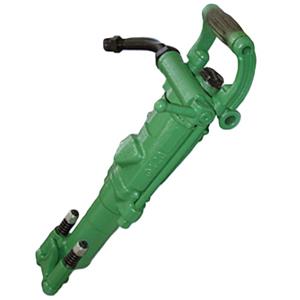
Pneumatic rock drills operate in harsh conditions involving impact, vibration, dust, moisture, and abrasive cuttings. Routine maintenance is essential to protect the lubrication system, reduce component wear, maintain drilling efficiency, and extend service life.
Clean New Equipment Before Use
New rock drills are commonly protected with anti-rust oil before delivery. This product protects metal surfaces during storage but is not a substitute for operating lubricant. Before commissioning a new machine, follow the manufacturer’s cleaning and preparation procedure so residual protective oil does not affect internal components.
Clean the Main Machine Regularly
Dust, water, and contaminants carried through air lines can accelerate internal wear. A planned inspection and cleaning programme helps maintain reliable performance. The appropriate interval depends on actual site conditions, air quality, water quality, operating hours, and the manufacturer’s instructions.
Inspect the Shank Bushing and Wear Parts
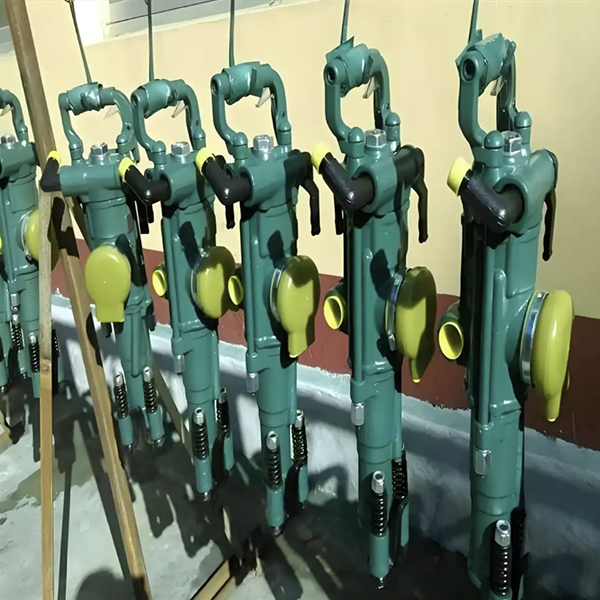
A worn shank bushing can increase stress on the drill string and connected components. Excessive clearance may affect alignment, energy transfer, and tool life. Check wear components routinely and replace them according to the equipment manufacturer’s allowable limits.
Maintain Correct Air and Water Supply
Air pressure and flushing-water pressure affect both drilling performance and component life. Low air pressure may reduce drilling efficiency, while excessive pressure can accelerate wear. Water pressure must be controlled so it does not compromise the lubrication system or cause unwanted water ingress.
Use only the operating ranges and adjustments specified by the equipment manufacturer and site procedures.
Verify Lubrication
Proper lubrication is critical for pneumatic drill operation. Inspect oil delivery, check for the expected lubricating condition at the drill steel interface, and use only the lubricant recommended by the manufacturer. Poor-quality, contaminated, or unsuitable oil can increase wear and reduce reliability.
Keep Hoses and Connections Clean
Before connecting air lines, remove accumulated moisture and debris. Contaminants in compressed-air hoses can damage internal components and interfere with normal performance. Hoses, fittings, and connections should also be inspected for leaks, wear, or damage.
Build Maintenance into Daily Operations
The best maintenance programme combines daily checks, scheduled servicing, operator training, and accurate records. Early detection of abnormal noise, reduced penetration rate, leaks, poor lubrication, or unusual vibration can prevent more serious damage.
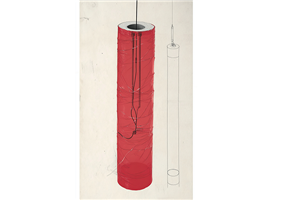
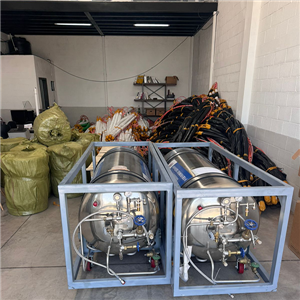
For rock projects where conventional drilling and blasting are constrained by vibration, nearby structures, or environmental sensitivity, the Gaea Rock O2 Gas Energy Rock Splitting System may be evaluated as an engineered alternative. It uses liquid-oxygen phase-change energy rather than conventional explosive formulations, subject to site-specific engineering, training, and regulatory compliance.