Precautions for Using DTH Drill Bits
To ensure rock-drilling efficiency, extend bit service life, and maintain safe, stable operations, pay close attention to the following points:
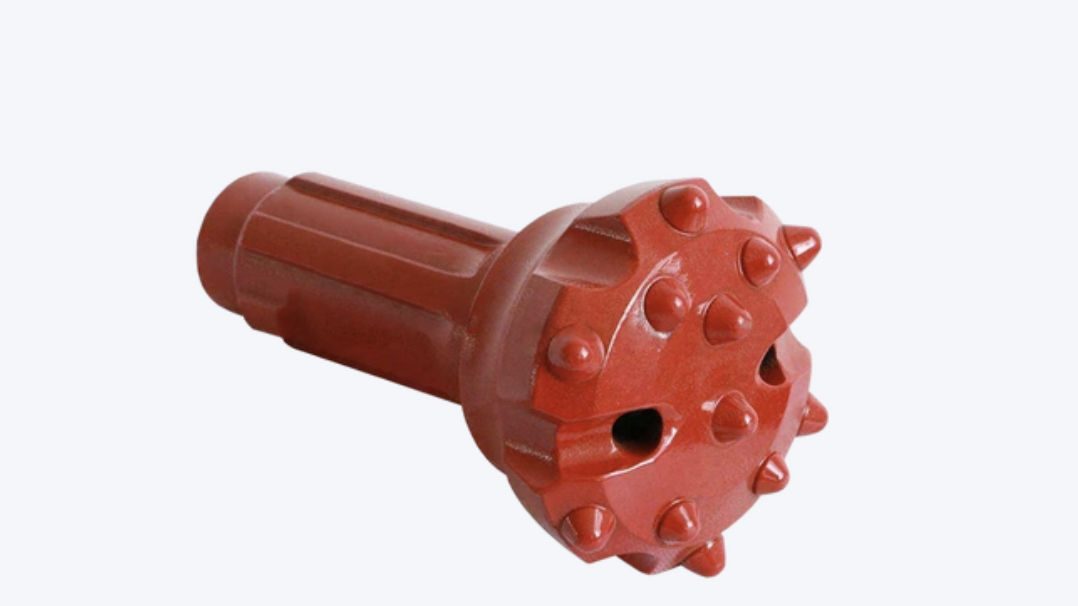
Accurate bit selection is essential
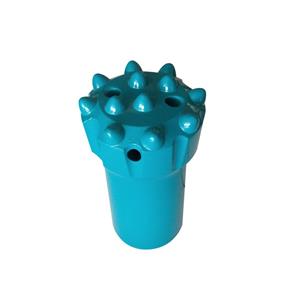
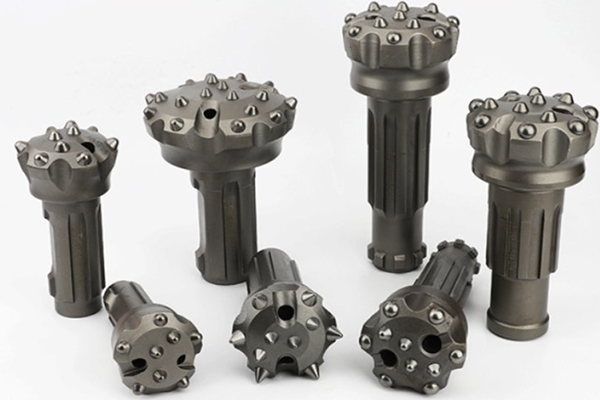
Choose a DTH drill bit based on the specific rock properties (such as hardness and abrasiveness) and the drill type (high air pressure or low air pressure). Different carbide button shapes and button layouts are designed for different geological conditions. Proper bit selection is the foundation of good drilling performance.Standardized installation prevents damage
When installing the bit, place it gently into the chuck sleeve of the DTH hammer. Avoid impact loading or rough handling, which can cause shank deformation, chuck sleeve wear, and other damage.Ensure stable air pressure and proper cuttings discharge
During drilling, maintain stable and sufficient compressed-air pressure. If the hammer operates intermittently or cuttings discharge from the hole becomes poor, promptly inspect the compressed-air system, clear the lines, or adjust pressure as needed. Keep the hole free of cuttings buildup to avoid reduced drilling efficiency and bit damage.Remove foreign objects from the hole promptly
If metal parts or other foreign objects fall into the hole, remove them immediately using a magnet or another safe method. This helps prevent collisions and abrasive damage to the bit during drilling and reduces the risk of equipment failure.Replace bits properly
When changing bits, verify the size of the drilled hole. If the original bit has become excessively worn but the hole has not yet reached the target depth, do not switch directly to a new bit, as diameter differences may cause sticking. Instead, use a worn bit with a similar diameter to complete the remaining drilling.