Rock Drill Shank Structure and Classification
Rock Drill Shank Structure and Classification
Rock drill shanks can be classified according to the equipment they match, their end-thread configuration, and their flushing structure. Different types of shanks have significant differences in structural design and operating conditions.
1. Shank Structure and Functions
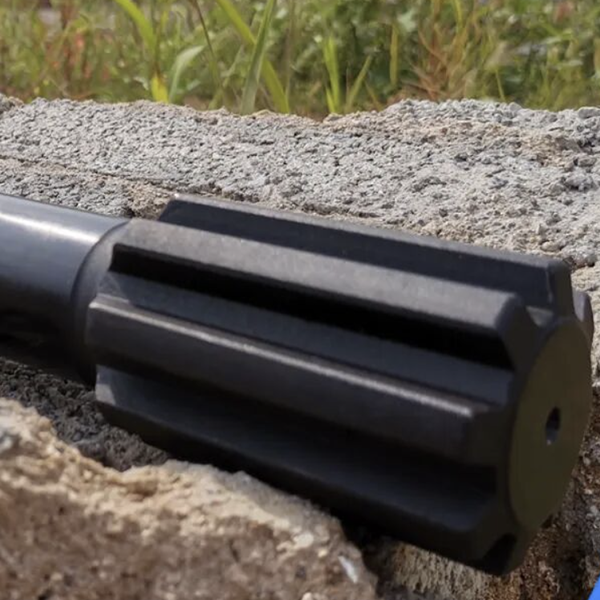
The main components of a rock drill shank include the impact face, splines, flushing holes, and threaded end.
The impact face transfers impact energy from the rock drill piston. The splines transmit rotational torque. The flushing holes deliver water, compressed air, or other flushing media. The threaded end may use either an internal thread or an external thread to connect with the drill rod.
2. Shank Classification
Rock drill shanks are generally divided into external-thread and internal-thread types.
External-thread shanks offer excellent bending resistance and are suitable for applications involving high bending stress, such as roadway excavation, tunnel construction, and extension drilling. They are a common choice in mining and excavation projects.
Internal-thread shanks have a compact structure and occupy less space. They are mainly used where drilling space is limited and a longer feed stroke is required. A typical application is underground roof-bolt support.
According to the flushing method, shanks can also be divided into internal-flushing and external-flushing types.
Internal flushing uses a water tube passing through the center of the drilling equipment and connecting to the O-ring at the end of the shank, directing the flushing medium into the drill-string assembly.
External flushing uses holes or grooves on the side of the shank. After installation, these openings align with the rock drill head and water-box sealing areas, allowing the flushing medium to enter the drill string directly.
Based on field performance, external flushing generally provides higher flushing flow, lower leakage risk, and better protection against water-related rock drill damage. It is therefore preferred for heavy-duty top-hammer drilling.
Rock drill shanks can also be classified according to the type of rock drill they match: hydraulic rock drill shanks and pneumatic rock drill shanks.
Hydraulic rock drill shanks commonly use external flushing and are typically equipped with 5 to 14 spline teeth. Pneumatic rock drill shanks mainly use internal or through flushing and commonly feature four-tooth splines or lug structures, making them easy to identify.
In actual selection, the rock drill type, working space, loading conditions, and flushing requirements should all be considered. Choosing the correct shank classification helps maintain drilling efficiency and reduce the risk of component failure.