Rock Drilling Rig Overheating? Emergency Cooling and Long‑Term Prevention
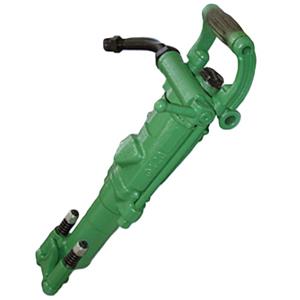
High‑temperature alarms, a hot machine surface, and a sudden drop in impact energy are not minor annoyances — they are distress signals from your rock drilling rig. Prolonged overheating accelerates seal aging, causes hydraulic oil emulsification and deterioration, and in severe cases can lead to a seized piston or cylinder deformation that disables the machine. Below are five emergency cooling tactics to stop damage quickly, followed by practical daily prevention measures to address the root causes and avoid major repairs.
Part I — Five Emergency Cooling Measures

Stop drilling immediately and maintain lubrication cooling
Cease penetration right away. Let the machine continue to run under air‑mist (aerosol) lubrication for 3–5 minutes to help dissipate internal heat while maintaining lubrication.
Use an infrared thermometer (temperature gun) to check temperatures point by point:
If the gearbox is hot → prioritize inspection of the air‑mist lubrication system.
If the cylinder housing or drill handle is hot → first check the hydraulic and cooling systems for faults.
If the piston or shank adapter striking end shows heat discoloration → the part is seriously overheated and must be disassembled and replaced.
Thoroughly inspect the lubrication system
Poor lubrication is a primary cause of overheating. Confirm adequate oil supply to the air‑mist device and check for clogged lines. Inspect the gearbox for missing grease and replenish grease to the specified level.
Clean the cooling system completely
Clean radiators and heat exchangers so they can perform properly; ensure airflow paths are unobstructed. Check the water heat exchanger and coolant circuit for blockages and verify that coolant flow is sufficient for cooling needs.
Carefully check the hydraulic system
Verify hydraulic oil level and observe the oil tank surface for abnormally high temperatures. Early detection of elevated temperatures can reveal hidden hydraulic problems before they become catastrophic.
Optimize operating parameters scientifically
Adjust machine parameters to match on‑site conditions. Set impact frequency according to rock hardness to reduce no‑load striking, and control rotation speed to avoid excessive frictional heat generation.
Part II — Daily High‑Temperature Prevention Tips
Tip 1 — Regularly inspect and maintain critical components
Perform scheduled checks on the lubrication, cooling, and hydraulic systems. Inspect air‑mist supply lines weekly for leaks or blockages. Clean radiator surfaces monthly to maintain heat transfer efficiency. Sample hydraulic oil quarterly to check for emulsification or degradation and replace with qualified oil when needed. Monitor seals for wear or aging and replace them promptly to prevent hydraulic leaks that lead to overheating.
Tip 2 — Choose appropriate oils and greases
Use hydraulic oils and greases rated for high‑temperature service. Select hydraulic oil with a high viscosity index and strong antioxidant properties to resist viscosity breakdown at temperature. Use high‑temperature lithium grease in gearboxes so lubrication remains effective in hot conditions and reduces frictional heat.
Tip 3 — Follow proper operating procedures to avoid overload
Survey the working environment and rock conditions before starting and preset reasonable parameters. Avoid arbitrarily increasing impact frequency or rotation speed. Prevent long continuous runs; stop every 2–3 hours for a 15–20 minute cool‑down to allow passive dissipation. Strictly prohibit dry firing (no‑load strikes), which causes violent piston–shank impacts and rapid heat buildup that severely damages components.
Tip 4 — Improve the working environment to aid cooling
In hot seasons or open‑air high‑temperature sites, erect simple sunshades near the machine radiator to prevent direct solar heating. If dust is heavy, provide small dust‑removal units to reduce dust accumulation on radiators. For water‑cooled rigs, ensure the coolant circulation system operates properly—check pumps and piping regularly so coolant volume and flow remain sufficient.
Tip 5 — Keep an operating log and monitor machine status
Maintain a daily run log recording operation times, working conditions, machine temperatures, and oil consumption. Trend analysis of the log helps detect gradual temperature rises so causes can be investigated early. Train operators to recognize normal operating ranges and high‑temperature warning signs for prompt detection and response.

Proper emergency cooling and routine prevention not only extend service life but also improve productivity and reduce repair costs. Apply these tactics to keep your rock drilling rig stable and reliable even under high‑temperature conditions.