Rock Drilling Rig Parameter Adjustment: Safety Is More Important Than Efficiency — Don’t Overlook These Details
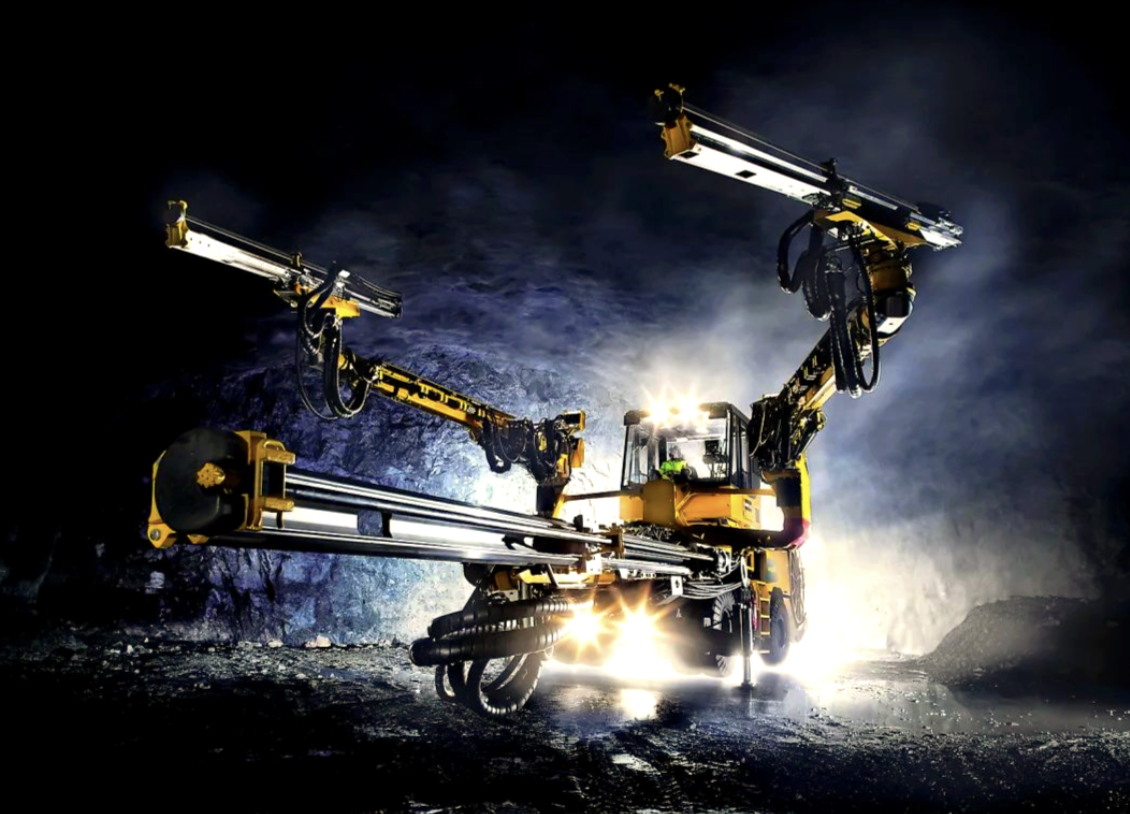
Adjusting parameters on a rock drilling rig is essential for improving productivity, but if safety is neglected, even the best settings can lead to accidents. Whether you are new or experienced, always put safety first. The following safety precautions for parameter adjustment must be followed exactly.
Preparations before adjustment — none of these three steps can be skipped
Shut down and isolate power. Never attempt parameter changes while the rig’s power system is live. Even a small accidental activation can cause sudden startup; rotating drill rods and moving components can inflict serious injury. Always cut power and confirm the rig is completely stationary before beginning adjustments.
Clear the work area. Remove obstacles, loose tools, standing water, and flammable or explosive materials. Standing water risks electric shock; clutter can trip personnel. Work in a dry, open area to reduce hazards.
Put on proper personal protective equipment. Hard hats protect against falling objects, non-slip gloves prevent hand cuts from components, safety goggles guard against flying rock chips, and ear protection reduces hearing damage from high-decibel noise. These items are basic protective armor—do not skip them for convenience.
Risks during adjustment — attention to operational detail
When adjusting hydraulic parameters (system pressure, impact pressure, etc.), operate control valves slowly and deliberately. Rapid pressure changes can burst hydraulic lines; pressurized oil sprays can cause severe injuries, and sudden loads can damage components.
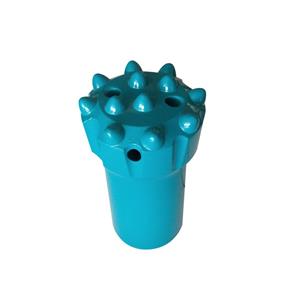
Never touch rotating parts while the machine is running. Drill rods, bits and other high-speed components can easily entangle and pull in a person even with brief contact. Always wait until the machine is fully stopped before working on drive or rotating sections.
Ensure the drill rod is precisely aligned with the borehole center before changing thrust, torque, or similar parameters. Uneven loading can cause violent vibration, rod fracture, and high‑speed flying fragments with catastrophic consequences.
Post-adjustment testing — safety observation is mandatory
Completing adjustments does not end the risk. During initial test drilling, operators must stand in a designated safe area and avoid the direct line of the borehole to reduce exposure to flying debris or a fractured rod.
Closely monitor machine behavior during test drilling. If abnormal vibration, strange noises, or bit sticking occur, stop immediately and inspect—do not continue drilling, as forcing the rig may escalate a minor issue into major damage.
Pay particular attention to cuttings evacuation. If chips or cuttings are blocking the hole, stop and clear them before resuming. Continued operation against a blocked throat increases load and can overload or damage the rig.
Equipment and personnel management — controls that ensure safety
Never exceed the rig’s rated limits. Parameters such as maximum impact energy and maximum rotational speed are safety boundaries; surpassing them risks component overload, catastrophic failure, or hydraulic explosions.
Only trained personnel should adjust parameters. Unqualified individuals must not attempt these operations. Before making changes, read and understand the equipment manual, correct procedures, and the parameter limits. Blind or impulsive adjustments jeopardize safety.
After work, restore parameters to safe default settings, cut power, and perform cleaning and inspection. Record any abnormalities encountered during adjustments. Proper logs support future maintenance and help identify latent safety risks quickly.
Efficiency matters, but safety matters more. Small oversights in parameter adjustment can have severe consequences. Memorize these precautions and make every parameter change both effective and safe.