Tricone Drill Bits: How They Work and Their Advantages
Choosing the wrong or an ineffective drill bit can stall a project, damage equipment, and inflate costs. Failures and cost overruns delay subsequent work and strain budgets. Tricone drill bits address these risks by maximizing performance, adapting to a wide range of rock types, and delivering consistent results.
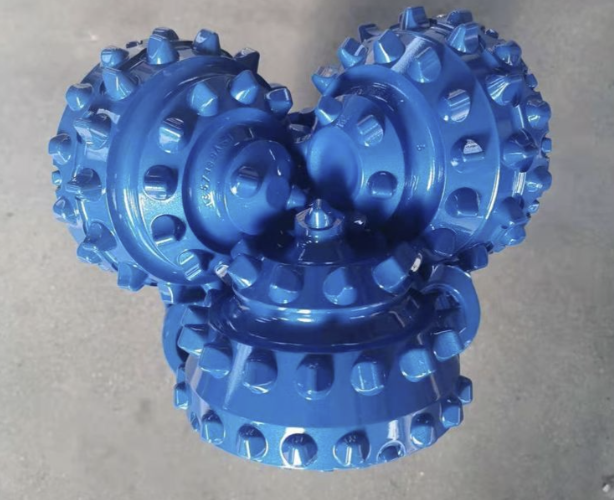
How tricone drill bits work A tricone drill bit cuts rock by combining downward force, rotation, and the mechanical action of three independently rotating cones. Each cone is mounted on precision bearings and is equipped with a series of teeth that break, gouge, and shear the formation as the bit turns. The independent rotation of the cones allows each one to find and engage the rock surface simultaneously, producing even wear across the cones and smooth drilling behavior.
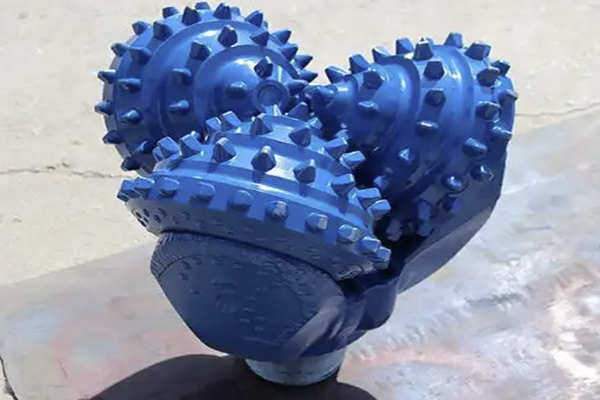
As the cones roll and rotate, their teeth crush, scrape, or grind the formation. Drilling fluid—mud or compressed air—flows through nozzles near the bit to cool the bit and flush cuttings out of the hole, maintaining a clear cutting face and efficient penetration.
Tricone designs accommodate a wide range of formations by varying cone geometry and tooth type. Carbide insert teeth are used for hard rock, while steel teeth are common in softer to medium formations. Bearing options include sealed (lubricated) or open bearings depending on downhole conditions. These configurable features make tricone bits versatile tools across mining, oil and gas, and construction rock drilling applications.
Key advantages of tricone drill bits
Versatility across rock types Tricone bits provide workable solutions for soft, medium, and hard rock formations, making them suitable for nearly any rock‑drilling task.
Higher penetration rates Features such as jet nozzles that promote fluid circulation around the bit improve cuttings removal and cooling, which helps maintain higher rates of penetration.
Durability Many tricone bits are built from durable materials—such as tungsten carbide—and employ robust bearing systems, extending service life under abrasive conditions.
Even, predictable wear The independent rotation of each cone leads to uniform wear. More even wear extends the interval between bit changes and reduces rig downtime.
Multiple tooth and bearing configurations Tricone bits are available with steel teeth or carbide inserts and with sealed or open bearing systems. A wide range of configurations allows matching the bit precisely to the geological and operational parameters of a job.
Conclusion:
Tricone drill bits are workhorses of the rock‑drilling industry. On oil and gas sites, mining operations, and construction projects, they remain the standard choice for creating holes through the ground. With variations in materials, cone geometries, jet nozzle designs, and auxiliary enhancements, tricone bits offer a cost‑effective, reliable solution to meet diverse drilling requirements while improving speed, efficiency, and operational safety.