What is the CO2 gas‑fracturing (CO2 rock blasting) system? A safer, more efficient option for open‑pit blasting
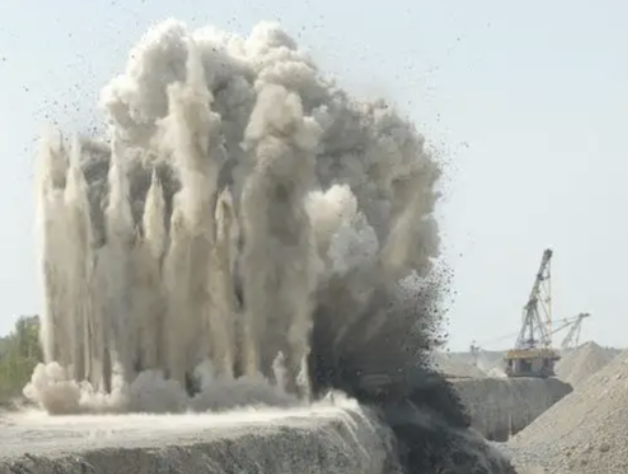
Gas‑fracturing technology uses the rapid expansion of a compressed gas as an energy carrier to break materials such as rock and ore. In open‑pit blasting applications it offers an alternative to conventional explosive charges by generating high internal pressure in a confined space through physical or chemical means, causing controlled rock fracturing without open flame or explosive shock waves.
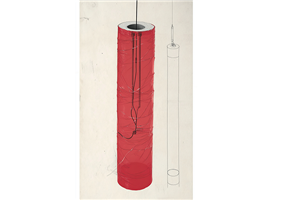
Core principle The method relies on the rapid vaporization and expansion of a pressurized medium—commonly liquid carbon dioxide or nitrogen. A fracturing tube loaded with the gas medium is placed into a borehole; when heated or triggered, the medium vaporizes almost instantaneously, producing a sharp, short‑duration pressure rise that exceeds the compressive strength of the rock. The rock then cracks and breaks along predesigned directions. The whole process avoids detonation effects and can be adapted for directional fracturing and timed/sequence control to meet different operational needs.
Advantages over traditional explosives Compared with conventional explosive blasting, gas fracturing presents several core benefits:
Enhanced safety: no detonators or bulk explosives are required, reducing the inherent explosion risk at the source and enabling use in confined or sensitive environments such as tunnel drives and underground foundations.
Reduced secondary hazards: the technique produces minimal flyrock, lower dust emissions, and less noise, limiting damage to surrounding ecology and geological structures.
More uniform fragmentation: controlled pressure‑based breakage can reduce excessive comminution of ore, improving resource recovery and downstream processing efficiency.
Operational simplicity and cost savings: equipment replaces many traditional pyrotechnic materials, lowering labor needs and enabling standardized procedures that can be implemented without conventional blasting workflows in some contexts.
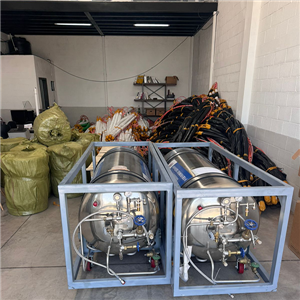
Common equipment and materials Typical components include CO2 fracturing tubes, single‑use white tubing, and various blasting‑grade containment tubes. These devices substitute for traditional energetic charges and are designed for safe, efficient, and reliable fracturing performance in field environments.
Applications and outlook Gas‑fracturing systems are being adopted across mining, road construction, foundation pit excavation, and other scenarios—especially where safety and environmental protection are high priorities. As a technology that combines safety, environmental friendliness, and operational efficiency, CO2‑based gas fracturing is reshaping open‑pit blasting practices and becoming a preferred option for lower‑risk fragmentation tasks.