Yantai Gaea Gas Rock Breaking Technology for High-Altitude Engineering Projects
Yantai Gaea Gas Rock Breaking: Technical Logic and Project Adaptation
Rock fragmentation is a core construction activity in mining, road works, tunnels, foundations and infrastructure projects. In high-altitude regions, however, project teams may face additional challenges: difficult logistics, low temperatures, variable atmospheric conditions, environmentally sensitive areas and more demanding controls around conventional blasting activities.
The source article examines gas rock breaking as a possible supplementary method for these conditions. In this version, the original company reference has been replaced with Yantai Gaea. The article’s main point is that a gas rock-breaking supplier should offer more than equipment. Its role should include understanding the physical principle, assessing the geological limits of the method and helping project teams organize an appropriate technical and safety workflow.
Gas rock breaking should not be presented as a universal replacement for conventional blasting or mechanical breaking. It is a project-specific option whose applicability depends on rock mass behavior, site constraints, drilling quality, equipment configuration, local approvals and qualified safety management.
Physical Principle of Gas-Expansion Rock Fracturing
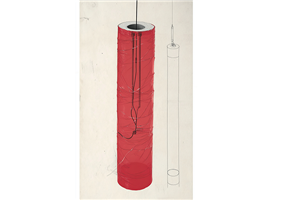
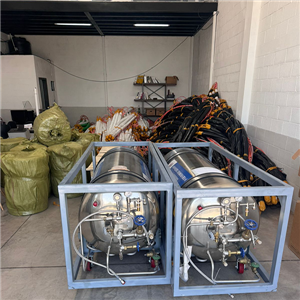
The source describes gas rock breaking as a process that uses the physical expansion of a non-explosive medium to create pressure within a prepared rock-breaking system. In liquid-oxygen-based configurations, a cryogenic liquid medium can convert rapidly into gas under controlled conditions. This conversion creates pressure in the borehole environment and can promote cracking in the surrounding rock.
The intended mechanism is physical expansion pressure, rather than the conventional chemical detonation process associated with explosives. Pressure acts on the borehole wall and may cause fractures to initiate or extend through natural rock joints, bedding planes and other weak zones.
The source contrasts this with conventional explosive blasting, which produces a very rapid energy release and high instantaneous pressure peak. Gas-expansion fracturing is characterized as a more controlled pressure-development approach, with behavior closer to static or quasi-static rock splitting.
This distinction can matter when a jobsite is near existing structures, residents, utilities or environmentally protected areas. Still, the method’s actual performance must be confirmed through engineering assessment. Neither the source article nor a supplier description can replace site-specific design, approval and safety planning.
Geological Conditions Determine Suitability
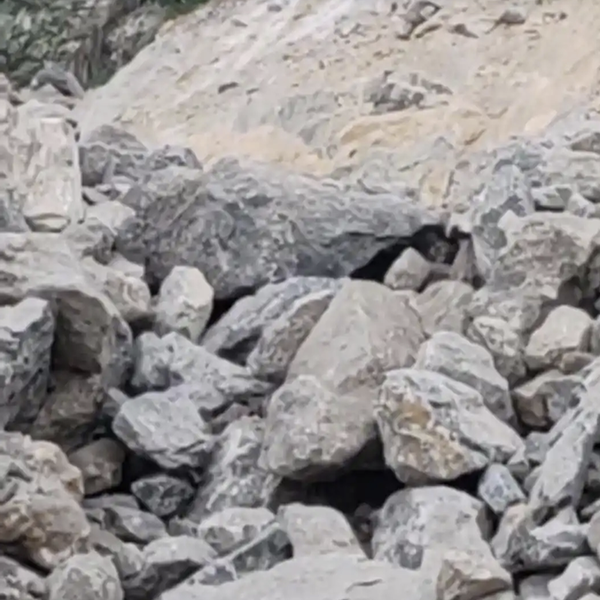
The article emphasizes that geology is decisive. A gas-expansion method may behave differently in intact hard rock, moderately fractured rock, weathered rock, water-bearing rock and highly broken ground.
Where a rock mass has appropriate confinement and favorable structural conditions, controlled expansion may help open fractures and reduce the difficulty of subsequent excavation. In loose, highly fractured or water-rich formations, pressure may escape along natural discontinuities. This can reduce the intended splitting effect and make the method less suitable.
A Yantai Gaea project assessment should therefore consider:
Rock type, strength and weathering condition
Natural joints, fissures and bedding planes
Groundwater and water-bearing conditions
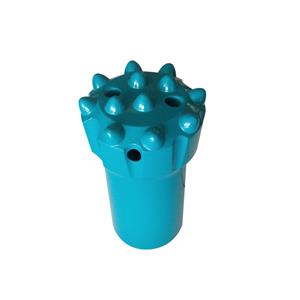
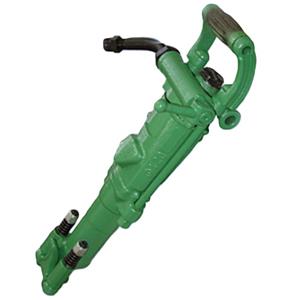
Borehole quality and drilling consistency
Excavation face and available free surface
Nearby structures, utilities and sensitive assets
Project schedule and required rock-removal method
Local construction, safety and environmental requirements
The source warns against applying the same fixed solution to every site. A configuration that works in one rock formation may not achieve the same outcome elsewhere. Qualified engineering review and, where appropriate, controlled field validation should come before wider project deployment.
High-Altitude Operating Conditions
The article focuses on high-altitude areas such as Lhasa, where low atmospheric pressure, low temperatures and long transport routes can create special project conditions. These factors may affect equipment selection, liquid-medium handling, operating procedures and personnel endurance.
High-altitude conditions must be treated as an engineering variable, not merely a geographic label. Equipment and procedures suitable at lower elevations may require review before being used in a high-altitude environment. A responsible project evaluation should consider temperature ranges, access routes, storage conditions, workforce preparation, local emergency capability and supply-chain reliability.
For Yantai Gaea, localized technical adaptation is important. The company should assess whether the proposed system, supporting equipment and operating approach are suitable for the actual project environment. It should not make unverified claims about performance, output, legal compliance or cost benefits in a specific location.
The Supplier’s Role: Equipment, Process and Coordination
The source article argues that a supplier should not be viewed simply as an equipment transporter. A capable supplier needs to connect technology with real project conditions.
This involves helping contractors clarify relevant geological information, discussing appropriate equipment scope, supporting technical documentation, identifying training needs and coordinating the work process within the agreed service boundary. The source highlights the importance of linking site review, scheme design, drilling verification, equipment preparation, controlled operation and subsequent material removal.
For a project team, the key question is therefore not only whether a system is available. It is whether the supplier can help evaluate the complete workflow and explain the conditions under which the method may or may not be appropriate.
Yantai Gaea can provide a technical discussion around equipment options and project requirements, but final design, authorization, safe execution and regulatory compliance must remain subject to qualified professionals, applicable local law and project-owner approval.
Comparison With Mechanical Rock Breaking
Mechanical rock breaking, such as hydraulic breakers mounted on excavators, usually removes material progressively through repeated mechanical force. Gas-expansion rock breaking seeks to establish fractures in the rock mass before excavation equipment removes the broken material.
In suitable hard-rock conditions, pre-fracturing can potentially reduce the difficulty of mechanical removal and lower downstream equipment wear. This may be relevant for projects that have large quantities of competent rock and limited suitability for conventional blasting.
However, the method has limits. The source notes that extremely hard and dense rock may not respond as effectively as it would to conventional blasting. Projects requiring very specific fragmentation geometry or high single-event rock output may need a different approach. In some conditions, gas rock breaking may be used alongside mechanical secondary breaking rather than replacing other methods entirely.
The right choice should be made through technical comparison, not marketing claims. Contractors should evaluate geology, access, environmental constraints, project duration, equipment availability, workforce competence and total operating cost.
Cost and Logistics Considerations
The source notes that a realistic cost assessment should include more than the purchase price of equipment. Relevant factors may include the supply, transport and storage of the operating medium, drilling requirements, equipment setup, operator training, site access, maintenance and downstream excavation activities.
Remote and high-altitude locations can make these logistics especially important. Long transport routes and changing weather conditions may affect delivery timing and storage arrangements. A responsible proposal should explain the full operating context rather than promising universal savings.
Yantai Gaea should help customers assess the practical viability of the approach while clearly distinguishing between source claims, indicative project considerations and results that must be confirmed by the actual site.
Safety and Compliance
Non-explosive does not mean risk-free. Pressure-based rock-fracturing systems require strict safety management. Liquid oxygen can involve cryogenic hazards and oxygen-enriched-environment risks, while pressure assemblies require proper inspection, handling and operational control.
Only trained and authorized personnel should operate or initiate such equipment. Storage, transport, electrical controls, equipment inspection, work-zone management and emergency arrangements must follow approved site procedures and applicable laws.
Requirements can vary by jurisdiction. Contractors and project owners must verify local rules regarding pressure systems, handling and storage of liquid oxygen, occupational safety, construction permits and any required operating qualifications. These requirements should not be assumed from another project or supplier case.
Frequently Asked Questions
What is the difference between gas rock breaking and conventional explosive blasting?
The source describes the difference as the energy source and release pattern. Conventional blasting uses explosive chemical reactions, while gas rock breaking uses physical expansion of a pressure medium. The exact classification and approval requirements must be confirmed locally.
Is gas rock breaking suitable for every rock type?
No. Rock strength, joint development, weathering, water conditions and borehole quality all affect performance. A site-specific geological assessment is necessary.
Why does high altitude need special attention?
High altitude can affect temperatures, logistics, equipment conditions and workforce performance. A project should evaluate these factors before selecting equipment and procedures.
Can Yantai Gaea provide a complete technical solution?
Yantai Gaea can discuss equipment, technical information requirements, training needs and project-support scope. Final system design, safety planning and regulatory approval must be determined for each individual project.
Is this method automatically safer than all alternatives?
No method is automatically safe without correct planning and control. Gas-expansion systems may offer a controlled option in suitable settings, but they still require trained personnel, approved procedures, proper equipment management and strict compliance with site and legal requirements.