A Simple Guide to Diamond Anchor Drill Bits
In underground construction, rock bolting support acts like the “steel framework” that protects tunnels, roadways, and other underground structures. Drilling is the very first step in anchor support installation, and its efficiency and quality directly affect the safety and stability of the entire project.
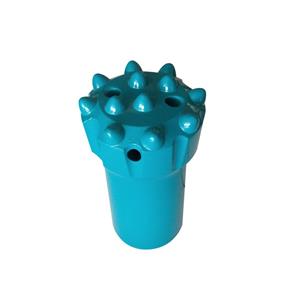
Among the many drilling tools used in this process, the diamond anchor drill bit, also known as a PDC anchor drill bit, stands out for its super-hard wear resistance and excellent cutting performance. It has become a reliable tool for underground drilling operations, helping contractors handle various rock formations while improving both safety and productivity.
What Makes a Diamond Anchor Drill Bit So Effective?
For many people, the first impression of a diamond anchor drill bit is simply that it is “hard.” But its real strength comes from its key material: the polycrystalline diamond compact (PDC) cutter.
PDC is a combination of diamond and cemented carbide, which gives it two important advantages:
the extreme hardness of diamond,
the toughness and impact resistance of carbide.
Compared with traditional alloy drill bits, this material delivers a major upgrade in cutting performance. It can handle a wide range of geological conditions, from soft rock to hard rock, and is especially suitable for the small-diameter holes required in anchor bolt support applications.
Because of this, PDC anchor drill bits are widely used in:
coal mining,
tunnel construction,
slope anchoring,
hydropower projects,
infrastructure foundation support.
Main Components of a High-Performance PDC Anchor Drill Bit
A high-quality diamond anchor drill bit is the result of several well-designed components working together.
1. Bit Wings
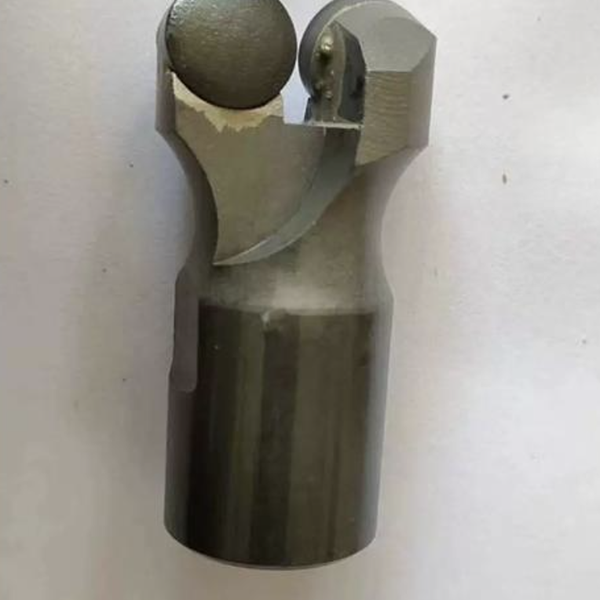
The bit wings are the main cutting structure of the drill bit.
Most common designs use two wings, which provide a good balance between drilling efficiency and operational stability. In more complex rock formations, three-wing or four-wing designs may also be used to improve drilling smoothness and hole stability.
2. PDC Cutters
The PDC cutters welded onto the bit wings are the true “cutting teeth” of the drill bit.
Their hardness is close to that of natural diamond, allowing them to cut through rock quickly and efficiently. Compared with conventional cutting inserts, PDC cutters are far less likely to suffer from rapid wear, edge breakage, or chipping, which greatly extends the service life of the bit.
3. Bit Body
The bit body serves as the structural backbone of the drill bit.
It is usually made from high-quality alloy steel and strengthened through a strict heat treatment process. This gives it:
high strength,
strong impact resistance,
good resistance to deformation,
reliable performance under high drilling pressure and vibration.
As a result, the bit body can remain stable even in harsh underground working conditions.
4. Water Flushing System
Another important part of the bit design is its flushing system.
The bit body is usually equipped with a central water hole and side flushing ports, often in a three-channel water outlet layout. During drilling, high-pressure water is discharged through these holes to perform two key functions:
cool the PDC cutters, preventing heat damage during high-speed drilling;
flush out rock cuttings and debris, reducing the risk of hole blockage or bit balling.
This helps maintain smooth drilling and improves overall drilling efficiency.
Key Advantages Over Traditional Alloy Drill Bits
Compared with conventional alloy drill bits, diamond anchor drill bits offer several major advantages, making them a preferred choice in underground engineering.
Higher Drilling Efficiency
PDC anchor drill bits can improve drilling efficiency by more than 60% compared with traditional alloy bits. This means faster hole completion and shorter project timelines.
Much Longer Service Life
Their wear resistance is typically 10 to 30 times greater than that of alloy drill bits. This significantly reduces the frequency of bit replacement and helps lower operating costs.
Less Maintenance and Downtime
Unlike conventional bits that often require frequent regrinding, PDC anchor drill bits need much less maintenance. This reduces machine downtime and supports more continuous and efficient construction work.
Wide Application in Underground Engineering
From roof support in coal mine roadways, to surrounding rock reinforcement in tunnels, to slope anchoring and foundation stabilization, diamond anchor drill bits play an important role in a wide variety of underground and geotechnical projects.
Although they work out of sight deep underground, these bits make a major contribution to safe and efficient construction. With their super-hard cutting structure and reliable drilling performance, they overcome rock resistance and help create the stable holes needed for secure anchor support systems.
Conclusion
The diamond anchor drill bit, or PDC anchor drill bit, is a small but powerful tool in underground engineering. Thanks to its high hardness, strong wear resistance, fast drilling speed, and long service life, it has become an indispensable drilling solution for anchor support applications.
As underground construction projects continue to demand higher efficiency and greater safety, PDC anchor drill bits are proving their value as a dependable “hard pioneer” in modern engineering.