CO₂ Rock Breaking for Mining and Construction: Applications and Considerations
CO₂ Rock Breaking for Mining and Construction: Applications and Considerations
Rock excavation projects can face a difficult combination of hard ground, restricted access, nearby infrastructure and production deadlines. Conventional blasting, hydraulic breakers and expansive demolition agents each have their own operating requirements and limitations. CO₂ rock breaking is another method that project teams may evaluate when planning mining, quarrying or construction work.
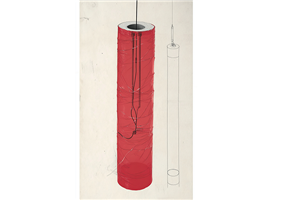
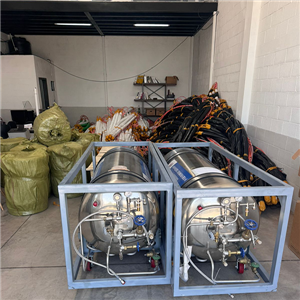
A CO₂ rock-breaking system uses a controlled gas-expansion process to apply force to the surrounding rock. Its suitability depends on the rock mass, project scale, equipment configuration, site conditions and applicable regulations.
Comparing Rock-Breaking Methods
The source article compares CO₂ rock breaking with three commonly used approaches: expansive demolition agents, conventional explosive blasting and hydraulic breakers.
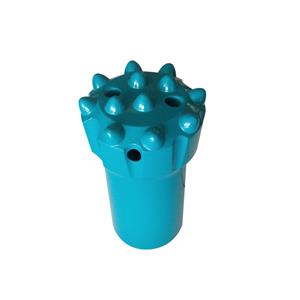
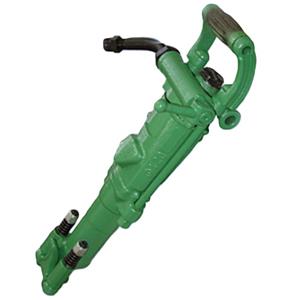
Expansive agents can be useful in some controlled demolition projects, although reaction time and drilling requirements affect their productivity. Hydraulic breakers offer a familiar mechanical option, but hard rock and reinforced concrete can increase tool wear and maintenance demands. Conventional blasting can be efficient for large excavation volumes, while requiring a detailed design, competent personnel and the relevant permits and site controls.
No single method is best for every project. Contractors should compare the complete workflow, including preparation, equipment mobilization, labor, material handling, maintenance and the time needed to meet local approval requirements.
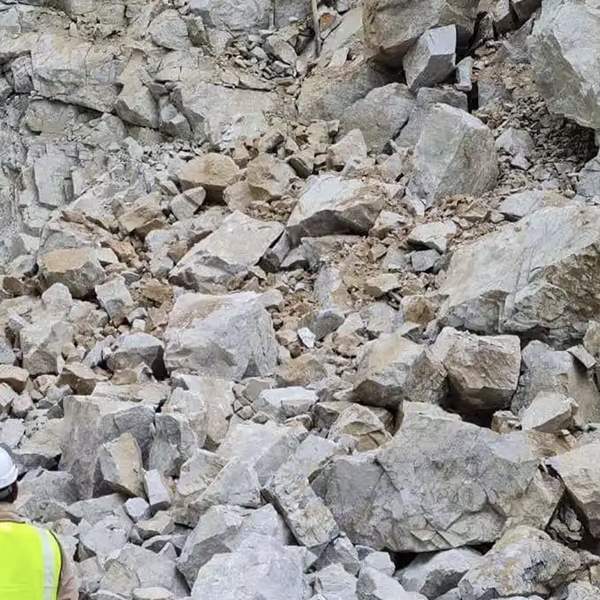
Where CO₂ Rock Breaking May Be Considered
CO₂ systems may be evaluated for selected applications such as:
Quarrying and mine development
Foundation and trench excavation
Road and railway construction
Secondary breaking of oversized rock
Tunnel-related and confined excavation projects
Sites near buildings or infrastructure where disturbance must be assessed
The presence of buildings, underground utilities, water, confined spaces or sensitive geological conditions calls for additional engineering review. Underground use requires particular attention to ventilation, gas accumulation and other site-specific hazards.
Equipment Reuse and Project Planning
Some CO₂ rock-breaking systems use components that may be recovered and reused, depending on their design, condition and manufacturer instructions. Equipment life and operating cost should be assessed using the actual product documentation and inspection requirements.
Rock type, natural fractures, desired fragment size and excavation geometry all influence performance. A project team should also consider the availability and logistics of CO₂, access for support equipment, operator training and the method used to remove broken material.
Environmental and Safety Considerations
The source article describes potential benefits involving disturbance, cost and safety. These should be treated as claims requiring project-specific verification. CO₂ rock breaking is not free of vibration, flyrock, noise, pressure-system hazards or environmental effects, and it is not automatically exempt from permits or other controls.
Before selecting a method, project owners and contractors should complete an engineering and risk assessment, confirm the requirements with the relevant authorities, and establish an approved work plan. Work must be carried out by trained and authorized personnel using suitable equipment and site controls.
Choosing a Solution
Yantai Gaea can discuss rock-breaking equipment requirements with customers considering options for a specific project. The most useful starting point is a clear description of the rock conditions, excavation volume, site restrictions, schedule and local regulatory requirements. Those details allow the available methods to be compared on evidence, total project cost and suitability.