What Is CO₂ Rock Fracturing Equipment? Eight Questions for Mining and Construction Buyers
What Is CO₂ Rock Fracturing Equipment? Eight Questions for Mining and Construction Buyers
CO₂ rock fracturing equipment is a rock-breaking option that mining companies, quarry operators and construction contractors may consider when planning excavation. It uses a controlled gas-expansion process to apply force to rock or concrete.
The equipment should be assessed as part of a complete project solution: geology, supporting machinery, gas supply, personnel, environmental controls and regulatory requirements all affect whether it is suitable.
1. How Does CO₂ Rock Fracturing Work?
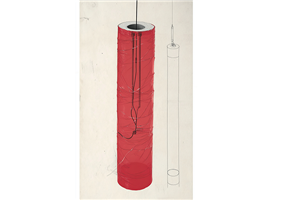
At a general level, a purpose-designed system uses carbon dioxide expansion to apply force to the surrounding material. The result may be fracture and loosening of rock or concrete.
The source article describes this as a physical expansion process. Equipment design and field performance vary, so buyers should refer to the manufacturer’s documentation for the specific model rather than relying on general descriptions.
2. Is It Safer Than Conventional Blasting?
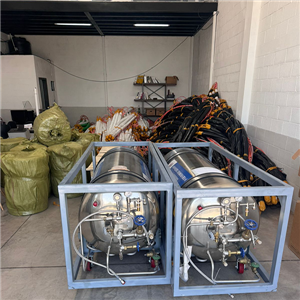
The safety profile is different, but no rock-breaking method is risk-free. CO₂ systems involve pressure equipment, low-temperature materials, gas release and potential flyrock. Released CO₂ can create an asphyxiation hazard in enclosed or poorly ventilated spaces.
A site-specific risk assessment, competent personnel, equipment inspection, exclusion zones, ventilation and an approved emergency plan are essential.
3. Can It Meet Mining Production Needs?
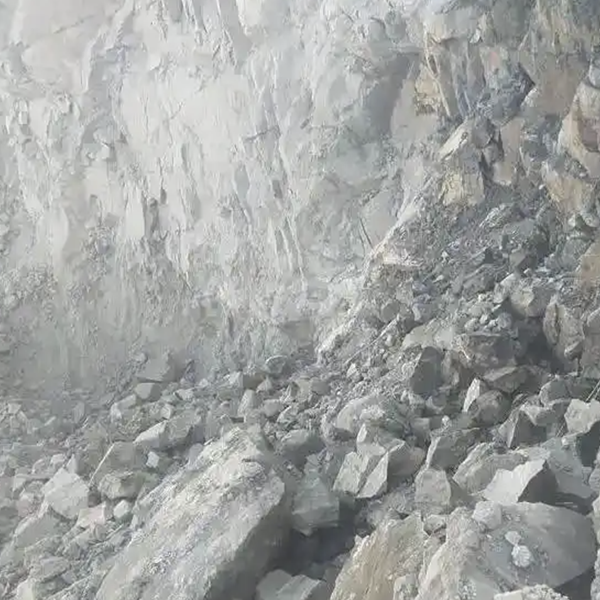
It may be suitable for selected quarry, mine development or secondary-breaking tasks, depending on the rock mass and production target. It should not be assumed to deliver the same result as conventional blasting in every hard-rock or large-scale excavation project.
Rock strength, joints, groundwater, free faces, equipment logistics and the complete working cycle all affect production.
4. What Training and Approvals Are Required?
Personnel must be trained and authorized for the equipment and site. Transportation, storage, installation, operation and maintenance should follow manufacturer documentation and applicable local regulations.
The source article suggests that certain approvals are unnecessary. Licensing and permit requirements vary by jurisdiction and project; they should be confirmed with the relevant authorities before work begins.
5. How Should Costs Be Compared?
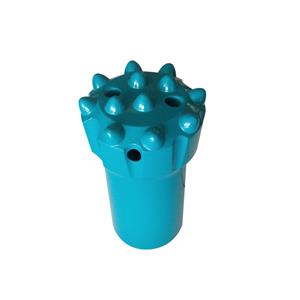
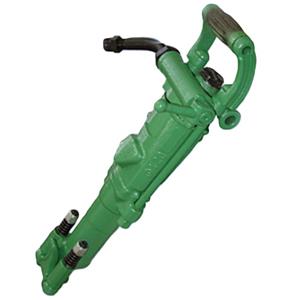
The equipment price or cost per use is only part of the calculation. A complete comparison should include drilling, labor, CO₂ supply, transport, consumables, maintenance, supervision, safety controls and removal of broken material.
Some systems contain reusable components, while others use consumable parts. Reuse depends on the specific model, manufacturer instructions and inspection results; it should not be generalized across all CO₂ equipment.
6. Where Might It Be Used?
Potential applications to evaluate include:
Quarrying and selected mining work
Foundation and trench excavation
Road and municipal projects
Secondary breaking of oversized rock
Work near infrastructure where disturbance requires careful control
Underground and coal-mine applications require separate technical, ventilation and regulatory review. A project should not be described as suitable solely because it appears on a general application list.
7. What Should Be Prepared Before a Project?
Project planning starts with geological information, excavation objectives, site access, nearby structures, equipment compatibility, gas supply and contractor qualifications. The team should also establish applicable permits, work-zone controls, inspection responsibilities and emergency arrangements.
Detailed operating parameters belong in the approved engineering and manufacturer documentation for the specific project.
8. How Can Buyers Compare Equipment Models?
Request the formal specification for each model and compare material quality, component compatibility, inspection requirements, maintenance support and verified results from similar conditions. The numerical specifications in the source article describe another supplier’s product and should not be attributed to Yantai Gaea without confirmation.
Complex Ground, Recovery and Gas Supply
Fractured zones, mixed ground and water-bearing rock may affect how energy is transferred and how the surrounding excavation behaves. These conditions require a dedicated geological and engineering review.
Project planning should also address consumable recovery, approved handling of abnormal equipment and a reliable CO₂ supply. Yantai Gaea can discuss equipment and support options using the customer’s site information and confirmed project requirements.