CO₂ Rock Fracturing Equipment: Five Safety and Efficiency Considerations
CO₂ Rock Fracturing Equipment: Five Safety and Efficiency Considerations
CO₂ gas expansion systems are used in some mining and tunneling projects as an option for rock fracturing. Their effectiveness depends on more than the equipment itself. Project design, geology, training, maintenance, and site management all influence the result.
A “non-explosive” label does not remove the need for risk assessment or prove that a system is appropriate for every site. Buyers should evaluate the equipment against formal manufacturer documentation, engineering requirements, and local regulations.
1. Match the system to the project design
Equipment suitability depends on drilling conditions, rock characteristics, project objectives, and the manufacturer’s specifications. Dimensions or parameters cited in general articles should not be treated as universal standards.
Before procurement, project teams should define the intended application and have qualified personnel review the equipment’s compatibility with the approved engineering plan. Poor matching can affect performance, disrupt the work schedule, or result in additional costs.
2. Follow approved procedures and manufacturer documentation
CO₂ systems use pressurized media and specialized equipment. Work involving the system should be performed only by trained and authorized personnel, following the manufacturer’s current instructions, an approved project plan, and applicable local regulations.
The project operator should confirm training, work authorization, equipment condition, site controls, and emergency arrangements. Operational parameters should come from approved technical documentation and qualified engineering review, rather than being adjusted from generic advice.
3. Account for geology and site conditions
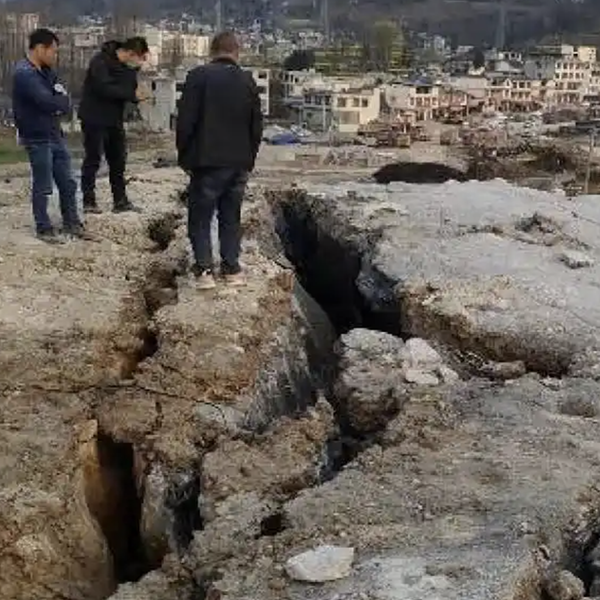
Rock strength, joints, fractures, faults, and groundwater can affect how a rock mass responds. Geological information and site conditions should be reviewed before work begins, and the proposed method should be evaluated by qualified engineering personnel.
If actual conditions differ from the approved plan, the project team should reassess the work through its formal review process. General recommendations should not be used to make unapproved changes to equipment settings or the engineering design.
4. Establish equipment inspection and maintenance records
Inspection and maintenance should follow the equipment manufacturer’s requirements and the site’s safety management system. Project records can track equipment condition, checks, maintenance, and reported faults.
If an abnormality is identified, the equipment should be handled under the approved maintenance process by authorized personnel. Inspection criteria, service intervals, and acceptance limits should be taken from formal documents for the specific model.
5. Manage cleaning, storage, and the full work cycle
After work, cleaning, inspection, and storage should follow the manufacturer’s guidance. Project teams should avoid unauthorized repairs or unsuitable cleaning methods. Damaged or single-use components should be managed under applicable rules and supplier instructions.
Efficiency and safety also depend on the complete work cycle, including preparation, equipment handling, personnel coordination, site cleanup, and maintenance. Focusing only on the fracturing stage can overlook important sources of delay and risk.
Common misconceptions to avoid
A change in temperature or site conditions should not be treated as a reason for personnel to improvise equipment settings. Any change should be reviewed by authorized technical staff against the manufacturer’s documentation and engineering plan.
Likewise, lower vibration claims do not mean that a work area needs no controls. CO₂ systems still release energy, so project teams should follow the risk assessment, monitoring, exclusion, and protective measures required for the site.
Verify supplier claims
Buyers should request current technical documents, application limits, safety information, maintenance requirements, and evidence relevant to the equipment model under consideration. Claims about performance, warranty, service life, or operating benefits should be supported by applicable documentation.
Yantai Gaea’s product range, model specifications, warranty terms, and technical support should be confirmed through official company materials. A company name substitution in a source article does not establish that another manufacturer’s model or claims apply to Yantai Gaea.
Conclusion
Efficient and responsible use of CO₂ rock fracturing equipment requires project-specific engineering, trained personnel, appropriate equipment management, and reliable supplier information. Procurement decisions should be based on verified evidence and site conditions, with every claimed safety or efficiency benefit reviewed within its stated limits.