Hydraulic Rock Splitting Rods: Components, Applications and Safety Considerations
Hydraulic Rock Splitting Rods: Components, Applications and Safety Considerations
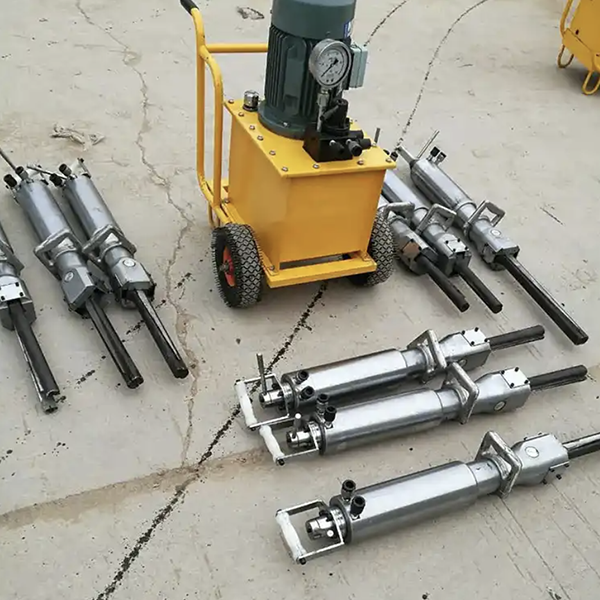
Hydraulic rock splitting rods are used in projects that require controlled rock fragmentation, including quarrying, mining, foundation excavation and infrastructure construction. A typical system combines a hydraulic power unit with splitting rods and connecting hoses. The appropriate equipment configuration depends on the rock mass, available working space, project scale and required production rate.
For buyers, understanding the complete system is as important as comparing the splitting rods themselves. The power unit, hoses, seals, controls and inspection procedures all contribute to equipment performance and safe operation.
How a Hydraulic Splitting System Works
A hydraulic power unit supplies pressurized fluid to the splitting assembly. The assembly transfers mechanical force to the surrounding material, encouraging the rock to fracture. The outcome is influenced by rock strength, existing joints, weathering, confinement and the geometry of the excavation.
Different products use different designs and ratings. Specifications in a supplier’s article should therefore be checked against the actual model’s technical documentation. Pressure ratings, force figures, energy figures and the number of rods connected to a power unit should not be assumed to apply across different manufacturers or configurations.
Why the Power Unit Matters
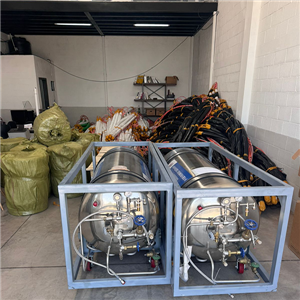
The hydraulic power unit is central to the operation of a rock splitting system. Buyers should consider its rated capacity, control arrangement, component compatibility, maintenance requirements and suitability for the worksite.
Some systems include pressure-control features intended to help maintain consistent operation. The source article describes such a feature in the equipment it discusses, but its performance and reliability claims have not been independently verified for Yantai Gaea products. Customers should consult the applicable model documentation for confirmed features and ratings.
Hydraulic Hoses and Component Inspection
Hydraulic hoses carry fluid between system components and must be suitable for the equipment’s operating conditions. Hose condition, fittings, seals and compatibility are important considerations when assessing a system.
A hose failure can cause serious injury. Inspection and maintenance should follow the equipment manufacturer’s instructions and the project’s approved safety procedures. Damaged, incompatible or inadequately rated components should be assessed by qualified personnel before the system is used.
Rock Types and Project Applications
Hydraulic rock splitting equipment may be considered for a range of rock materials and work environments, including:
Quarry and mine rock extraction
Foundation and trench excavation
Road and railway construction
Secondary breaking of oversized rock
Projects where conventional blasting is restricted
Selected works near structures or other sensitive assets
Rock types mentioned in the source include granite, basalt, quartzite, sandstone, limestone and marble. Their behavior varies considerably, however, and inclusion in that list does not guarantee a particular result. A project assessment should consider the full rock mass, including joints and weathering, rather than rock name alone.
Evaluating Performance and Cost
The source article makes claims about rapid splitting, reliability and suitability for hard rock. Those claims should be verified against the specific equipment and site before they are used in a purchasing decision or marketing material.
A useful project comparison considers more than the purchase price. Drilling and preparation, labor, equipment transport, maintenance, production rate, material handling, supervision and site controls can all affect the total cost. Depending on the job, hydraulic splitting may be assessed alongside mechanical breakers, static splitting agents, gas-expansion systems or conventional blasting.
Safety and Supplier Support
Hydraulic rock splitting uses high-force equipment and requires trained, authorized operators. Project teams should follow the manufacturer’s documentation, inspect components, establish appropriate work-zone controls and comply with local occupational-safety requirements.
When discussing equipment with Yantai Gaea, customers should request the specifications, compatibility information, maintenance guidance and service terms for the exact model under consideration. A site-specific engineering review is the best basis for deciding whether a hydraulic splitting system fits the project.