70 mm Borehole Expansion Agent Application Tips
70 mm Borehole Expansion Agent Application Tips
Expansion agents for 70 mm boreholes are commonly used in static rock breaking and concrete demolition projects. Correct drilling, mixing, loading, and curing conditions are essential for reliable cracking performance and safe operation.
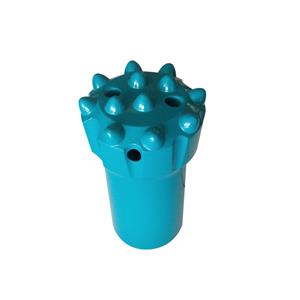
The borehole diameter must match the selected product specification. A hole that is too large or too small can affect pressure development, reaction speed, and crack formation. Hole depth, spacing, rock condition, and the presence of a free face should also be considered when designing the drilling pattern.
Before loading, boreholes should be clean and free of standing water unless the product instructions specifically allow water protection methods. In hot weather, excessive hole-wall temperature may accelerate the reaction. Contractors should follow the supplier’s recommended temperature range and use approved reaction-control measures where necessary.
The expansion agent should be mixed with the prescribed water ratio and used promptly. The mixture should be placed continuously to avoid voids and air pockets. Operators must wear suitable eye protection, gloves, protective clothing, and safety footwear because the material can generate heat and may irritate skin or eyes.
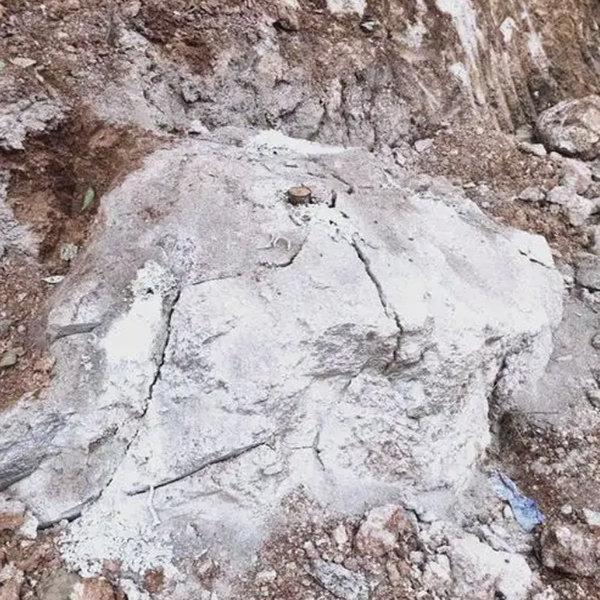
After loading, workers should keep away from the borehole area during the reaction period. The face should not be inspected at close range, especially during the early stage of expansion. Cracks may develop gradually, depending on material strength, temperature, borehole design, and site conditions.
A trial section is recommended before large-scale work. It helps determine the appropriate hole spacing, depth, product dosage, reaction time, and secondary-breaking requirements. With proper design and safe operating procedures, 70 mm borehole expansion agents can support controlled non-explosive breaking of rock and concrete.