Abnormal circulating-water temperatures and multi-system damage to drilling equipment
Circulating water is the primary cooling medium for drilling equipment, and maintaining it within an appropriate temperature range is critical to operational stability and equipment lifespan. Elevated circulating-water temperatures can cause cascading damage across multiple key systems of drilling rigs, triggering various failures and severely reducing drilling efficiency.
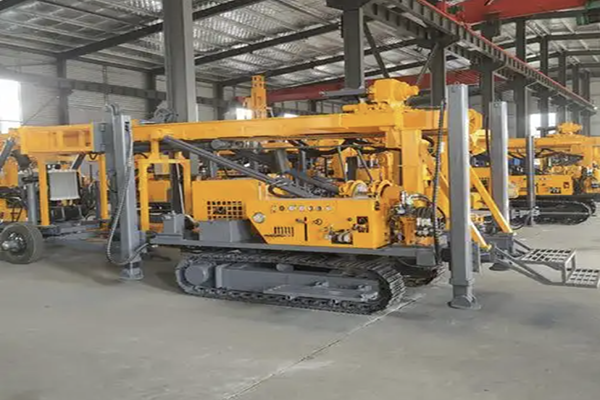
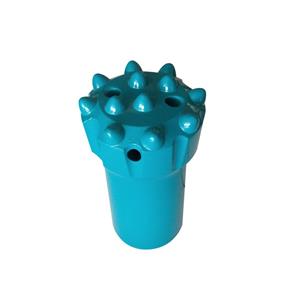
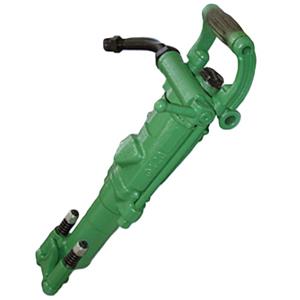
Overheating of critical components shortens service life High temperatures directly attack the moving core components of drilling equipment, accelerating performance degradation and causing component failure. For drill bits and tooling, elevated temperatures increase wear rates on cutting edges and can cause annealing and softening of the tool tips. This not only reduces penetration efficiency and slows progress, but also significantly shortens the service life of bits and tools, increasing replacement costs. Bearings and drive elements are also highly susceptible to heat. Excessive circulating-water temperature disrupts lubrication balance and degrades the performance of oils and greases; combined with limited component heat dissipation, temperatures climb further. Prolonged exposure leads to catastrophic failures such as bearing seizure and wear-through, which can force unplanned shutdowns.
Hydraulic system degradation and leakage failures The hydraulic system is essential for power transmission in drilling equipment and is highly sensitive to operating temperature. High circulating-water temperatures cause hydraulic oil viscosity to drop markedly, reducing lubrication and protective film formation for hydraulic components. This increases internal leakage and lowers the efficiency of pumps, cylinders, and other core hydraulic elements. In addition, elevated temperatures accelerate deterioration of seal materials. Seal failure leads to hydraulic oil leakage, compounding system performance loss and potentially causing complete hydraulic system collapse.
Cooling system performance decline creates a vicious cycle Excessively high circulating-water temperature also undermines the cooling system itself, producing a self-reinforcing deterioration cycle: higher temperatures reduce cooling effectiveness, which in turn leads to still higher temperatures. When coolant entering heat exchangers or radiators is too hot, heat rejection efficiency falls and the system cannot remove operating heat effectively. Prolonged high temperatures accelerate aging and embrittlement of tanks, pipes, and other cooling components, causing cracks and ruptures that result in coolant leaks. Loss of coolant further degrades cooling capability and broadens the scope of equipment failures.
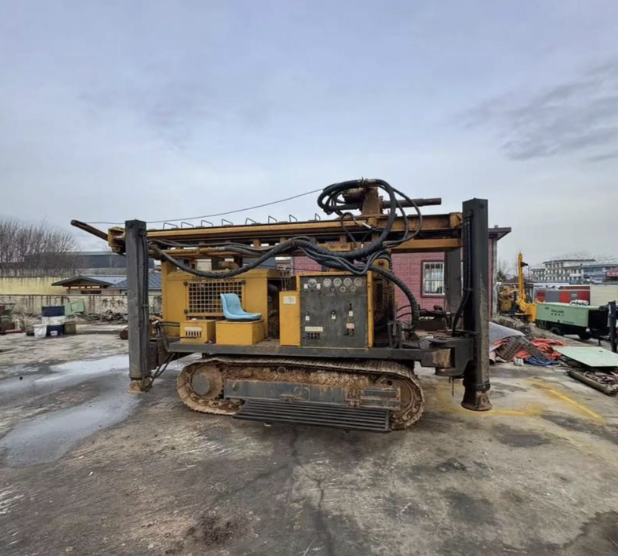
Conclusion High circulating-water temperatures inflict transmissive and systemic damage on drilling equipment. Strengthening monitoring and control of circulating-water temperature during operations, promptly inspecting and addressing cooling-system vulnerabilities, and taking corrective actions are essential to prevent temperature-induced failures and to ensure uninterrupted, efficient drilling operations.