Blast Hole Drilling Requirements: Diameter, Depth, Straightness, and Stability
Blast Hole Drilling Requirements: Diameter, Depth, Straightness, and Stability
Successful blast hole drilling depends on more than simply reaching the required depth. A drilled hole must meet four key requirements: diameter, depth, straightness, and stability. These characteristics affect explosive loading, fragmentation, drilling cost, production efficiency, and safety.
For quarrying, open-pit mining, underground development, water-well drilling, and ground-support work, the drilling tools and method must be selected according to the final purpose of the hole.
Drill Hole Diameter
Hole diameter depends on the application. In blast hole drilling, several factors influence the correct diameter, including the required rock fragmentation size, blasting method, desired surface quality of broken rock, and permitted ground vibration.
Large quarries and open-pit mines often use larger blast holes because they can reduce drilling and blasting cost per tonne of rock. In underground mining, available space may restrict equipment size and therefore limit hole diameter.
For water-well drilling, hole diameter must accommodate casing, pumps, and related equipment. In rock-support applications, the diameter is commonly determined by the size of the selected rock bolt or anchor system.
Drill Hole Depth
Hole depth is closely related to the available drilling equipment and working space. In confined areas, short drilling tools may be necessary. Short threaded drill rods are particularly useful where underground space is limited.
For horizontal or vertical blast holes, the drilled depth is often slightly greater than the theoretical depth or bench height. This helps achieve the required blasting result.
When very deep holes are needed, such as 50 to 70 meters or more, down-the-hole drilling is often preferred over top hammer drilling. Down-the-hole systems can provide more efficient energy transfer and better cuttings removal in deep-hole conditions.
Drill Hole Straightness
Hole straightness can vary with rock type, natural ground conditions, mining method, drilling equipment, and drill-string weight. In horizontal and inclined drilling, the weight of the drilling tools can contribute to hole deviation.
For deep blast holes, maintaining straightness is essential. A straight hole allows accurate explosive loading and supports more predictable blasting performance.
Some applications require especially high straightness, including pipe holes, cable holes, and water-well holes. In these cases, deviation can make installation difficult or prevent equipment from being placed correctly.
Guidance tools such as guide bits, guide tubes, and guide drill rods can improve hole straightness. Drill alignment and collaring accuracy are also critical. Improper feed-beam adjustment and inaccurate hole opening are major causes of borehole deviation.
Drill Hole Stability
The final requirement is hole stability. A drilled hole must remain open and stable until it is loaded with explosives or used for its intended purpose.
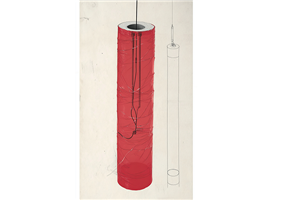
In loose formations or soft rock, the borehole may collapse or become blocked. Under these conditions, using casing tubes or flexible tubing in the drilled hole can be important for maintaining an open passage.
Stable holes improve operational safety, prevent delays, and ensure that explosives, support systems, water-well equipment, or other components can be installed as planned.
Conclusion
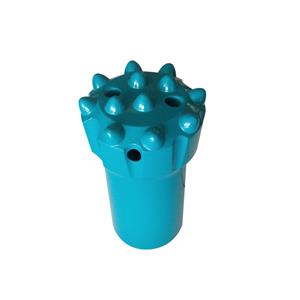
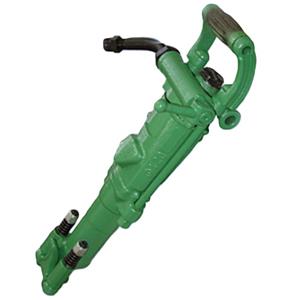
Blast hole quality is defined by diameter, depth, straightness, and stability. Matching the drilling method, rock drilling tools, and guidance or casing systems to these requirements helps improve drilling efficiency and supports safe, reliable blasting operations.