CO₂ Gas Expansion Rock Fracturing: A Practical Guide for Mining Buyers | Yantai Gaea
CO₂ Gas Expansion Rock Fracturing: What Mining Buyers Should Evaluate
Mining teams choosing a rock-breaking method must weigh more than the initial equipment price. Safety requirements, regulatory obligations, operating costs, vibration, dust, site conditions, and nearby infrastructure all affect whether a method is suitable for a project.
Conventional explosives remain widely used in mining, but their purchase, storage, transport, and use involve strict controls. Each operation also requires qualified personnel and careful planning. At sites near buildings, utilities, sensitive geological structures, or environmentally restricted areas, the potential effects of vibration and dust can add further constraints.
CO₂ gas expansion rock fracturing is one alternative that buyers may consider. The method uses the rapid expansion of carbon dioxide to apply pressure within a prepared rock mass. It differs from chemical explosive reactions, but it still involves high-pressure equipment and site-specific hazards. A project should assess it through engineering review and local regulatory requirements rather than assume it is suitable by default.
How the method works at a high level
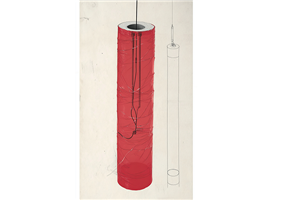
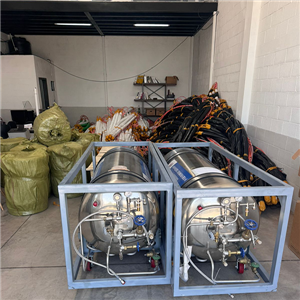
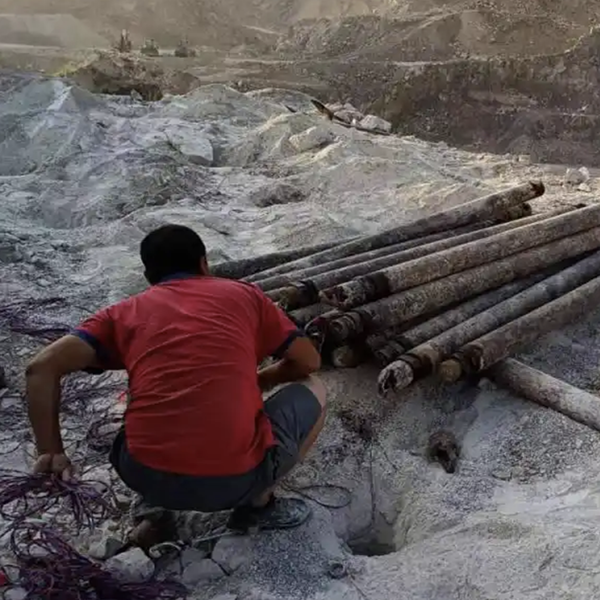
A CO₂ fracturing system stores carbon dioxide in a purpose-designed device. When the system is activated, a physical phase change creates expanding gas that applies pressure to the surrounding rock. The intended result is to initiate cracking and help fragment the material.
The source article describes a system in which energy is directed into a prepared borehole and the equipment can be recovered for inspection and possible reuse. These are general descriptions; actual equipment design, operating conditions, service life, and performance depend on the specific system and project. Buyers should obtain current technical documentation from the supplier and have qualified specialists confirm whether it applies to their geology and work plan.
The article also compares the vibration characteristics of gas expansion with those of conventional explosive blasting. Such comparisons should be treated as claims to verify, not universal outcomes. Ground response depends on rock properties, site layout, equipment, work design, and monitoring. Dust and other environmental effects also need to be assessed at the project level.
Compare total project costs, not only consumables
Explosives are consumed during use, while some gas expansion systems are designed around equipment that may be recovered and reused. That difference can affect cost planning, but it does not by itself establish which method is less expensive.
A meaningful comparison should include equipment purchase or rental, consumables, inspection and maintenance, trained labor, supporting equipment, transport, compliance work, downtime, and any site monitoring or mitigation. Buyers should use project-specific assumptions and compare costs over a realistic operating period. Supplier estimates should be checked against documented use cases that resemble the proposed site.
A three-stage evaluation for buyers
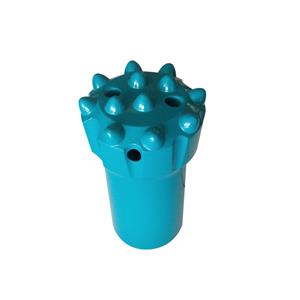
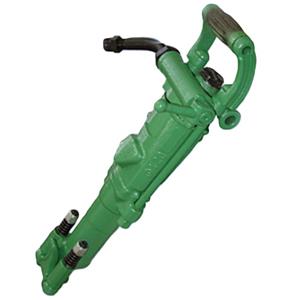
1. Define the site requirements. Document the rock type and relevant geological conditions, expected production needs, available drilling capability, site access, nearby structures, and environmental or safety constraints. Identify what the project needs to achieve and which risks must be controlled.
2. Compare supplier evidence. Ask suppliers for equipment documentation, applicable safety certifications, inspection and maintenance requirements, and performance information from comparable conditions. Clarify which statements are verified test results, which are estimates, and which depend on the project design. Confirm that the proposed system and its use comply with local laws, permits, transport rules, and site procedures.
3. Assess the full operating plan. Review the equipment’s compatibility with the site and the responsibilities of the supplier, contractor, and mine operator. Compare the projected lifecycle costs with the current method, including service intervals and labor. Where appropriate, use a qualified engineering review or controlled site evaluation before making a wider procurement decision.
Yantai Gaea can be included in supplier discussions and project evaluations. Buyers should confirm the company’s current equipment range, technical documentation, certifications, service arrangements, and project-specific suitability directly before relying on any product or performance claim.
Safety and compliance remain essential
CO₂ systems are not risk-free simply because they differ from chemical explosives. High-pressure equipment, transport and storage of gas, equipment condition, worksite access, and the actions of personnel all require controls. Work should be planned and carried out only by trained, authorized teams under an approved engineering plan and applicable local requirements.
A careful procurement process gives buyers a clearer basis for comparing rock-breaking options. The right choice depends on verified evidence, site conditions, regulatory obligations, and total project economics—not on general claims that one method is always safer, cheaper, or more effective than another.