CO₂ Gas Fracturing for Hard Rock Tunneling: A Buyer’s Evaluation Guide
CO₂ Gas Fracturing for Hard Rock Tunneling: A Buyer’s Evaluation Guide
Hard rock excavation is a persistent challenge in tunneling and mining. Conventional explosives can fragment rock effectively, but their use involves strict controls for procurement, transport, storage, and operation. Vibration, noise, dust, flyrock, and worksite constraints may also influence whether a blasting method is appropriate for a specific project.
Mechanical breaking equipment offers another option, though its productivity, wear, vibration, and operating costs also need to be considered in hard rock. For these reasons, project teams may evaluate CO₂ gas expansion systems as one possible rock-fracturing method. The technology should be assessed as part of an engineering and procurement review, not treated as a universal replacement for other methods.
How CO₂ gas fracturing works
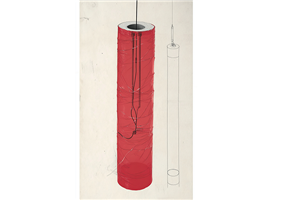
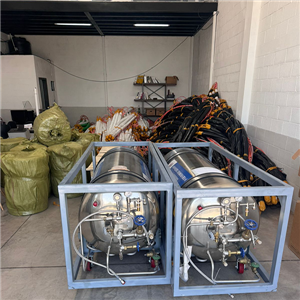
At a high level, a CO₂ system uses pressure generated by a change in the state of carbon dioxide to induce cracking in the surrounding rock. This mechanism differs from the chemical reaction used by conventional explosives. The system still relies on specialized equipment and requires appropriate controls, training, maintenance, and site planning.
Equipment design, suitable geology, and expected performance vary by manufacturer and application. Buyers should rely on the supplier’s current technical documentation and project-specific engineering review. Product dimensions and operating values cited in general articles should not be assumed to apply to every system or to Yantai Gaea.
Where project conditions matter
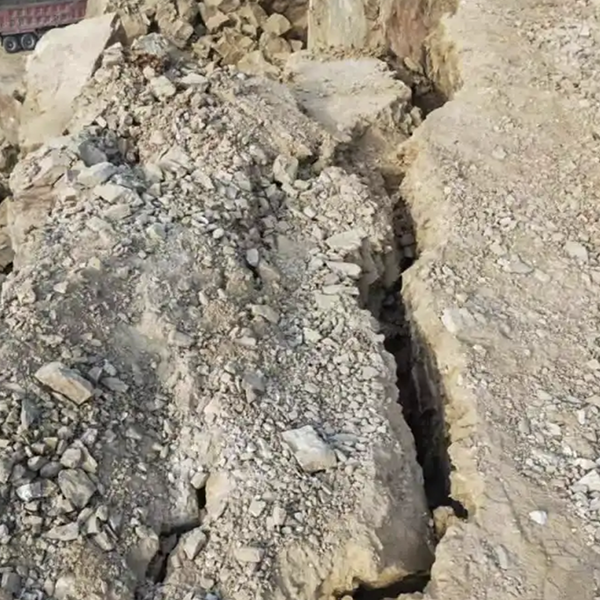
The suitability of a rock-fracturing method depends on more than the type of energy source. Rock strength, joints, faults, groundwater, surrounding structures, available working space, drilling capabilities, and production targets can all affect the outcome.
Environmental claims also need context. Vibration, noise, dust, airborne emissions, and flying material should be compared using reliable data gathered under relevant conditions. Terms such as “low vibration” or “reduced dust” do not mean zero impact, and using a non-explosive system does not automatically remove all regulatory or site requirements.
A practical evaluation process
1. Define the project requirements. Gather geological information, expected excavation volumes, worksite constraints, nearby structures, environmental requirements, schedule needs, and applicable approvals. Specify the performance objectives and the risks that must be controlled.
2. Review supplier evidence. Request formal equipment documents, application limits, relevant safety information, inspection requirements, and evidence from comparable projects. Confirm the equipment model and the conditions under which any performance data were obtained. Have qualified engineering personnel review the proposed application.
3. Compare lifecycle costs. Include equipment purchase or rental, consumables and material supply, drilling, labor, training, energy, maintenance, monitoring, transport, downtime, and compliance management. Compare alternatives using the same project scope and clearly documented assumptions.
4. Confirm service and responsibilities. Clarify who is responsible for training, technical support, equipment inspection, maintenance, spare parts, worksite coordination, and emergency planning. Ensure that contract terms and operating procedures align with local requirements.
Yantai Gaea and supplier verification
Yantai Gaea’s current product range, technical capabilities, certifications, and service arrangements should be confirmed through official company information. Product or performance claims attributed to other manufacturers in source material should not be treated as Yantai Gaea specifications.
Conclusion
CO₂ gas fracturing may be one option to evaluate for hard rock projects, but its suitability depends on site geology, production goals, equipment evidence, regulations, and total project economics. A sound decision combines verified documentation with qualified engineering judgment. No method should be considered risk-free or automatically compliant based solely on its classification as non-explosive.