CO₂ Gas Fracturing: Common Misconceptions and Equipment Selection
CO₂ Gas Fracturing: Common Misconceptions and Equipment Selection
Mining and tunneling projects must select rock-breaking methods based on geology, project objectives, site constraints, and applicable regulations. CO₂ gas fracturing has attracted attention as one option, but misunderstandings about its operating principle and application limits can lead to poor procurement decisions.
Misconception 1: CO₂ fracturing is just ordinary gas expansion
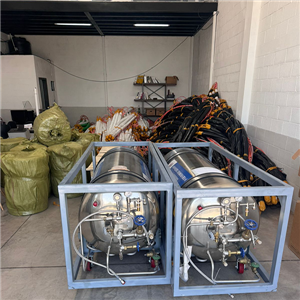
CO₂ systems use pressure generated by a change in the state of carbon dioxide to fracture rock. This differs from both ordinary pneumatic tools and the chemical reaction used by explosives. Buyers should review the equipment’s operating principle, design limits, and risk controls using formal technical documentation.
“Non-explosive” does not mean risk-free. The equipment and work still require appropriate training, inspection, and site controls.
Misconception 2: It can replace explosives in every project
Different rock-breaking methods have different energy-release characteristics and project requirements. A CO₂ system may be considered for certain sensitive or constrained environments, but it is not automatically suitable for every high-volume or high-intensity application.
Suitability depends on rock structure, production targets, work planning, and verified project evidence. Assuming universal replacement can result in poor fragmentation, rework, delays, or higher costs.
Misconception 3: Drilling parameters are the same as fracturing performance
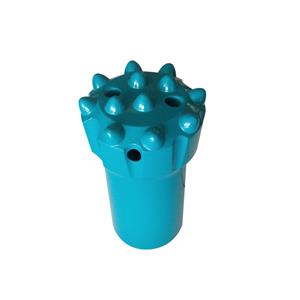
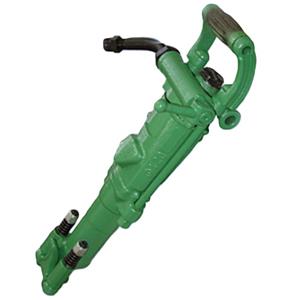
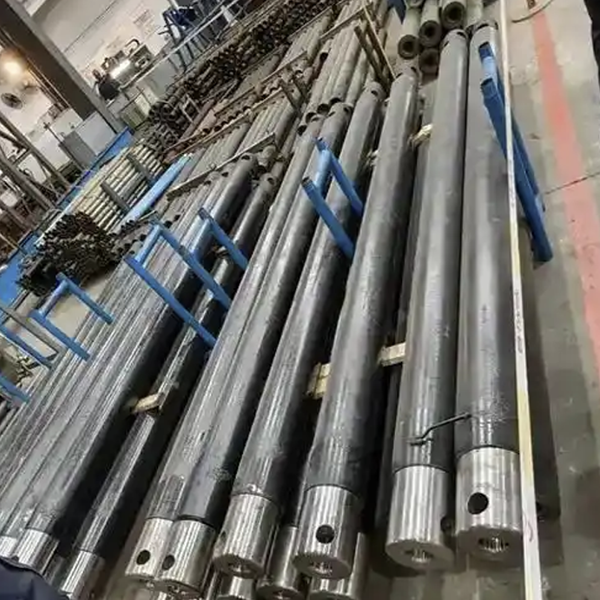
Drilling equipment and the fracturing system perform different functions. Power and impact-frequency figures may describe an associated drilling unit, while the fracturing system has its own design, pressure containment, sealing, control, and compatibility requirements.
Procurement teams should distinguish between subsystem specifications and verify that the components are designed to work together. Documents should apply to the exact models being considered.
Misconception 4: Buying the equipment is enough to organize work
A CO₂ fracturing project involves engineering design, geological review, training, equipment inspection, worksite management, and safety planning. Work should be carried out by qualified and authorized personnel under an approved plan and applicable local rules.
Buyers should clarify what training and technical support the supplier provides, what responsibilities remain with the project operator, and how work authorization, monitoring, and emergency arrangements are handled.
Misconception 5: Supplier differences are only about brand and price
Products may differ in materials, structural design, sealing, controls, inspection needs, maintenance, and service capability. Buyers should review formal technical documents, quality controls, applicable certifications, maintenance requirements, spare-parts support, and evidence from comparable applications.
Comparing only purchase prices can overlook maintenance, downtime, rework, and training costs. Performance and safety claims should be checked against evidence and their stated limits.
Consider geology, total cost, and site environment
Rock strength, brittleness, layering, joints, and fractures can affect results. Complex ground conditions require project-specific geological review and qualified engineering judgment. General advice from an article should not be used to set or change field parameters.
A lifecycle cost comparison should include equipment, consumables, material supply, drilling, energy, labor, maintenance, inspection, transport, and compliance management. Productivity and schedule claims should be supported by relevant data, with estimates clearly distinguished from measured results.
For underground or dusty and humid environments, buyers should verify equipment protection, sealing, electrical components, maintenance requirements, and service support. Cleaning and upkeep should follow the manufacturer’s current documentation.
Yantai Gaea product information
The source article mentioned another supplier. Replacing that company name with Yantai Gaea does not establish that the described equipment, specifications, certifications, performance, or services belong to Yantai Gaea. Confirm the company’s current product information through official technical documents.
Conclusion
CO₂ gas fracturing is a specialized rock-breaking method that must be evaluated against the project’s geology, equipment configuration, safety requirements, and economics. Buyers should verify system compatibility, review supplier evidence, and rely on qualified engineering assessment instead of assuming that one method or specification suits every site.