CO₂ Gas Fracturing Technology: Principles, Applications, and Procurement
CO₂ Gas Fracturing Technology: Principles, Applications, and Procurement
Mining, tunneling, and rock excavation projects must balance fragmentation performance with safety, environmental requirements, and construction efficiency. CO₂ gas fracturing has attracted attention because it uses a different energy mechanism from conventional chemical explosives. Its suitability, however, still depends on geology, equipment design, engineering controls, trained personnel, and applicable regulations.
How CO₂ Gas Fracturing Works
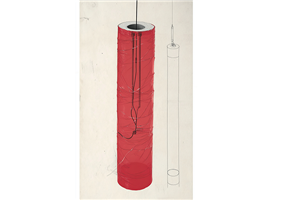
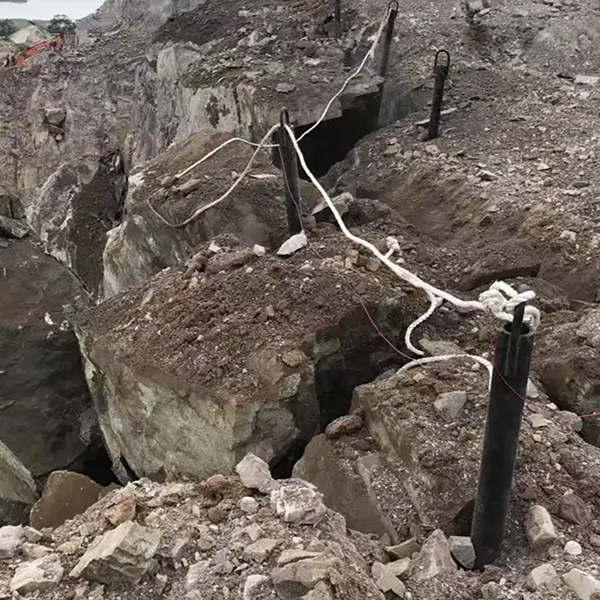
At a high level, a CO₂ fracturing system uses a controlled change in the state of carbon dioxide to generate pressure inside a purpose-designed system. The pressure acts on a prepared rock mass and can initiate cracking.
This mechanism differs from the chemical reaction used by explosives, but it still involves pressure equipment and energy release. A non-explosive classification does not eliminate the need for equipment inspection, worksite controls, training, monitoring, and emergency planning.
Any pressure, reaction-time, borehole, or performance figure cited in general source material should be checked against the exact equipment model, test conditions, and project design.
Potential Application Scenarios
Urban and complex excavation
Projects near residential buildings, infrastructure, or other sensitive structures may evaluate CO₂ fracturing when vibration and noise are important considerations. Actual environmental performance must be established through project-specific design and monitoring.
Underground mines and confined spaces
Underground work requires close attention to ventilation, pressure release, equipment protection, personnel separation, and applicable certifications. The absence of conventional explosives does not automatically establish compliance with underground safety requirements.
Stone and specialty mineral extraction
Some stone and mineral projects may value controlled cracking and protection of retained material. Results depend on the rock mass, existing joints, design quality, and verified field performance.
Emergency work and isolated rock
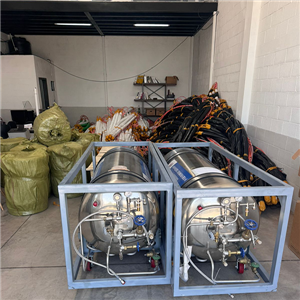
Emergency or isolated-rock projects may place greater emphasis on transport, access, setup, response planning, and worksite control. Equipment suitability must be evaluated together with the conditions of the specific site.
Review Critical Components and Documentation
Procurement teams should ask for documentation covering:
Pressure-containing components
Release and control assemblies
Sealing design
Inspection and testing requirements
Applicable safety documents
Maintenance procedures
Model-specific operating limits
Certification scope and validity
Test reports and certifications should be checked for the issuing organization, equipment model, test conditions, and intended application. A material or pressure claim from a source article cannot be treated as a universal product specification.
Validate the Method Against Site Conditions
CO₂ fracturing results can be affected by rock strength, brittleness, joints, fractures, free faces, groundwater, and working space. Before large-scale deployment, the project team may conduct an appropriate field validation under an approved engineering plan and professional supervision.
Borehole design, charging, activation, and other operating parameters are specialized engineering matters. They should come from current manufacturer documentation and an authorized project plan, rather than being copied from a general article.
Evaluate Supplier Support
A capable supplier provides more than equipment. Buyers should consider training, field support, application review, maintenance, spare parts, troubleshooting, and response times.
Contracts should clarify responsibilities, personnel qualifications, training records, service scope, and emergency support. Lifecycle cost analysis should include equipment, materials, drilling, labor, maintenance, monitoring, transport, downtime, and compliance management.
Yantai Gaea Product Information
The source article referred to another manufacturer and its products. Replacing that company name with Yantai Gaea does not establish that the cited models, materials, certifications, performance claims, or application examples belong to Yantai Gaea. Confirm the company’s current product range and technical capabilities through official documentation and project-specific verification.
Conclusion
CO₂ gas fracturing can be evaluated as a rock-breaking option for selected mining, tunneling, stone, and infrastructure projects. Its value depends on equipment design, geological fit, safety controls, supplier support, and lifecycle economics. It should be assessed as an engineered system rather than assumed to be a universal replacement for conventional methods.