CO2 Rock Blasting Compliance and Safety Requirements
CO2 Rock Blasting Compliance and Safety Requirements
CO2 rock blasting is increasingly discussed as an alternative method for breaking rock, concrete, and other hard materials where conventional explosives may be restricted. Although it does not use traditional explosive substances in the same way as dynamite-based blasting, it still involves pressurized gas systems and significant safety responsibilities.
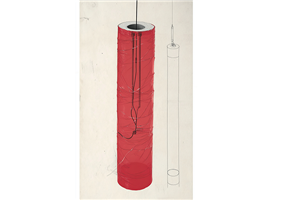
A CO2 rock blasting system generally stores or releases carbon dioxide under controlled high-pressure conditions. When activated, the rapid expansion of gas can create force that fractures surrounding material. The method may offer potential advantages in selected applications, including reduced conventional explosive handling, controlled rock breaking, and use in sites with strict vibration or safety requirements.
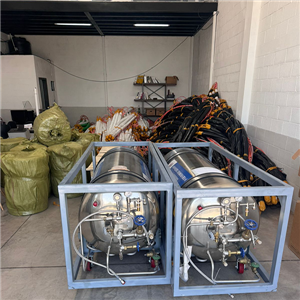
However, “non-explosive” does not mean “risk-free.” CO2 systems use pressure vessels, cylinders, valves, connectors, and activation components. A failure in any part of the system may create serious hazards. Operators should therefore treat equipment inspection, transport, storage, installation, and maintenance as core elements of the project rather than secondary tasks.
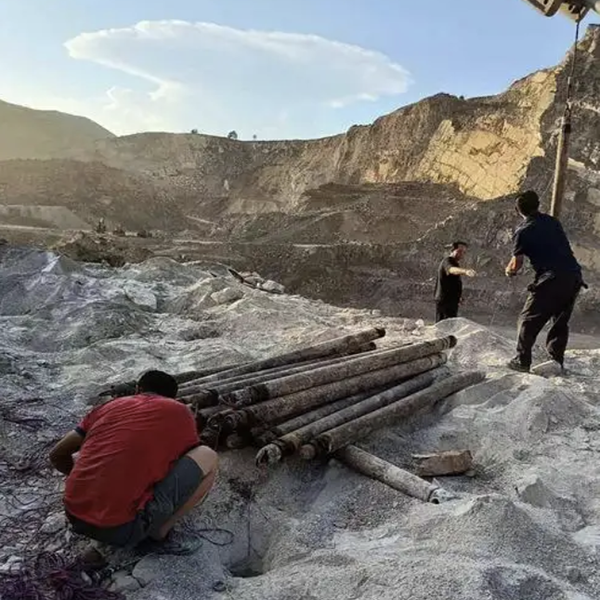
The source article states that conventional explosive blasting normally requires approval and management under applicable public-security and explosives regulations. It also argues that CO2 blasting should be operated in accordance with relevant safety and regulatory requirements because carbon dioxide is a pressurized gas and may fall within the scope of equipment and cylinder-management rules.
Actual filing, permit, notification, and approval requirements can differ by location, project type, equipment configuration, and local enforcement practice. Before beginning a CO2 rock-breaking project, contractors should confirm the applicable requirements with the competent local authorities, project owner, safety manager, and qualified legal or regulatory advisers. Marketing material or general online articles should not be treated as a substitute for formal regulatory advice.
A compliant project should also establish clear operating procedures. These normally include trained personnel, equipment inspection records, restricted work zones, pressure-system maintenance, emergency planning, communication procedures, and documentation of each operation. Workers should understand the equipment’s rated pressure, approved accessories, safe positioning, exclusion distances, and shutdown process.
For contractors, the most important question is not only whether CO2 blasting can break the target material, but whether it can be deployed safely, legally, and consistently at the intended site. Proper regulatory confirmation, risk assessment, and trained operation are essential before any field work begins.