CO2 Rock Blasting Method, Benefits, and Site Limitations
CO2 Rock Blasting Method, Benefits, and Site Limitations
CO2 rock blasting uses rapid carbon dioxide expansion to break rock without relying on conventional explosive charges. The method is often discussed for mining, quarrying, trench excavation, tunnelling, and selected demolition work where explosive handling or vibration control is a major concern.
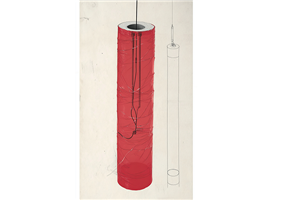
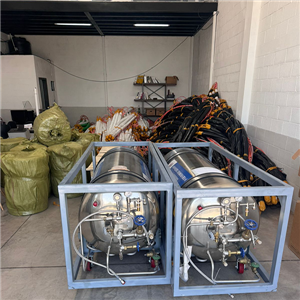
A typical system uses a purpose-built cylindrical tube that holds liquid CO2 under pressure. The equipment may include a pressure vessel, sealing components, a rupture element, a heat-conducting activation part, and an electrical initiation system. Once activated, liquid CO2 rapidly changes into gas. This expansion generates pressure inside the borehole and can cause surrounding rock to fracture.
The source article states that CO2 blasting was developed for use in high-gas mining conditions, where reducing ignition-related risks was important. It also notes that domestic equipment technology has continued to develop but may still require improvements in equipment maturity, production efficiency, component reliability, and operating procedures.
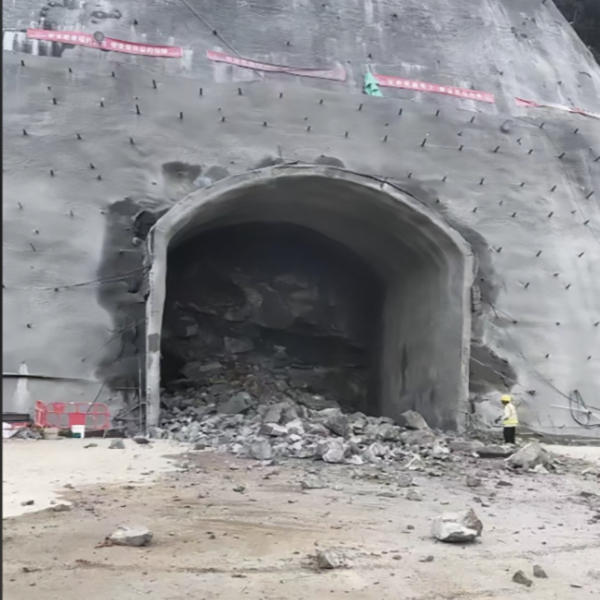
CO2 blasting can offer several potential benefits. It may avoid direct handling of conventional explosive materials, reduce some forms of destructive vibration, and provide an alternative for specific operating environments. Some equipment configurations can be reused, and multiple blasting tubes may be arranged in parallel when the design and site conditions allow.
However, field performance is highly dependent on the rock mass and execution quality. Borehole accuracy, spacing, depth, free-face conditions, tube loading, sealing, electrical connections, and the number of tubes used in each round all influence the result. The source article also identifies practical limitations, including complex preparation steps, lower daily cycle frequency, dependence on suitable free faces, possible equipment damage, and relatively high consumable costs.
For projects near residences, structures, utilities, or environmentally sensitive areas, contractors should conduct a full risk assessment before selecting any CO2 gas-expansion method. Local requirements for pressure equipment, transport, storage, electrical initiation, work-zone control, and public safety must be confirmed with the relevant authorities.
CO2 rock blasting should be selected through verified engineering trials rather than general performance claims. A controlled test area can help determine fragmentation quality, safe stand-off distances, required borehole pattern, cycle time, and the economic cost per cubic metre of rock broken.