CO₂ Rock Fracturing Equipment for Mining and Controlled Excavation
CO₂ Rock Fracturing Equipment for Mining and Controlled Excavation
CO₂ rock fracturing equipment is a controlled rock-breaking option considered for mining, quarrying, tunnel construction, foundation excavation, municipal projects and selected emergency works. It uses a managed gas-expansion process to apply force to the surrounding rock, helping create fractures that can then be removed by conventional excavation equipment.
Yantai Gaea can discuss this type of system with project owners and contractors based on their geology, excavation volume, site restrictions and compliance requirements.
How the Technology Works
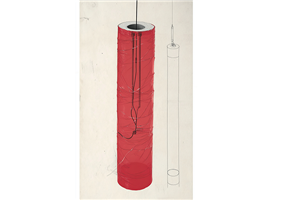
A CO₂ fracturing system uses liquid carbon dioxide and a purpose-designed fracturing assembly. Under controlled conditions, a rapid phase change creates expanding gas and pressure inside the system. That pressure acts on the surrounding rock mass and can help extend existing weaknesses or create new fractures.
The performance of the method depends on rock strength, joints, water conditions, free faces, confinement, equipment compatibility and project design. Published marketing figures should be checked against the actual model and site conditions before they are used for procurement or engineering decisions.
Equipment Components
A complete system may include:
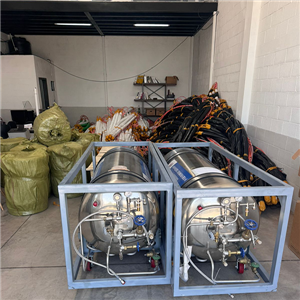
CO₂ storage and supply equipment
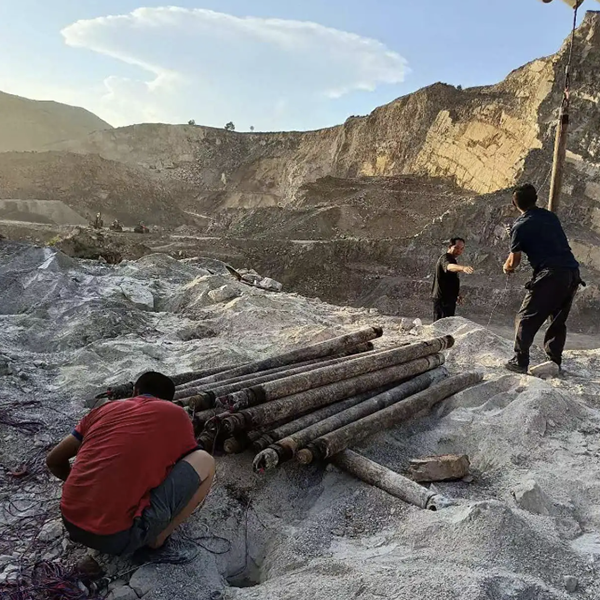
Fracturing tubes or assemblies
Filling and connection accessories
Control and electrical components
Inspection and maintenance support
The exact configuration varies by project. Buyers should request formal technical documentation, compatibility information, inspection requirements and service terms for the specific equipment under consideration.
Potential Application Areas
CO₂ rock fracturing may be evaluated for:
Metal and non-metal mining
Quarry and aggregate production
Tunnel and underground excavation
Foundation pits and trenches
Road and municipal construction
Frozen-ground loosening
Secondary breaking and selected emergency clearance
Underground, confined and high-risk environments require additional review. Ventilation, gas accumulation, access control, emergency response and communication procedures should be addressed before work begins.
Comparing CO₂ Fracturing with Other Methods
Project teams may compare CO₂ fracturing with conventional drilling and blasting, hydraulic breakers, static splitting agents and other controlled excavation methods. The comparison should cover geology, production rate, access, noise and vibration, equipment mobilization, labor, maintenance, material handling and regulatory requirements.
A CO₂ system may be useful for a particular work zone, but it should not be presented as automatically safer, cleaner, cheaper or more effective in every application. Claims about equipment life, pressure, fracture radius and environmental performance require project-specific verification.
Safety and Compliance
CO₂ systems involve pressure equipment, cryogenic or low-temperature conditions, gas release and control components. They must be handled by trained and authorized personnel under an approved site safety plan. Storage, transport, inspection, installation, operation and maintenance must follow the manufacturer’s documentation and local regulations.
Yantai Gaea can help customers begin with a project assessment covering the rock type, excavation volume, site access, nearby structures, schedule, equipment logistics and applicable permits. This information supports a more reliable decision about whether CO₂ fracturing is appropriate for the work.