CO₂ Rock Fracturing Equipment: Key Questions for Mining Projects
CO₂ Rock Fracturing Equipment: Key Questions for Mining Projects
CO₂ rock fracturing is one method that mine operators and contractors may evaluate for controlled rock excavation. It uses a managed gas-expansion process to apply force to the surrounding rock. Its suitability depends on the equipment, geology, excavation objective and site safety requirements.
How Safe Is CO₂ Rock Fracturing?
CO₂ systems have a different risk profile from conventional explosives, but they are not risk-free. Pressure equipment, gas release, flying fragments and low-temperature components require controlled handling. In underground or poorly ventilated areas, accumulated CO₂ can create an asphyxiation hazard.
A qualified team should assess the site, equipment and applicable regulations before work begins. Safety controls must be based on the actual project rather than general marketing claims.
Does It Eliminate Dust and Vibration?
No rock-breaking method should be assumed to produce zero dust or vibration. The amount of disturbance depends on the rock mass, equipment configuration, surrounding structures and work plan. Where limits apply, site monitoring and comparison with the approved criteria are important.
Where Can the Equipment Be Considered?
Potential applications include quarrying, mine development, slope work, stone extraction and rock removal near infrastructure. Each setting requires separate engineering review.
Underground and coal-mine projects need particular attention to ventilation, gas accumulation, equipment suitability, emergency response and local approvals. Large open-pit production may have different requirements from a small, restricted excavation.
What Training and Permits Are Needed?
Personnel must be trained and authorized for the equipment and worksite. Transportation, storage, operation and maintenance should follow the manufacturer’s documentation, the approved project plan and local law.
Permit and licensing requirements vary. The source article’s suggestion that approvals are unnecessary should not be treated as a general rule.
How Should Equipment Be Evaluated?
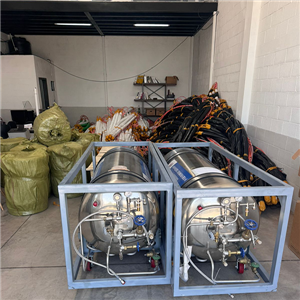
Buyers should request the formal specifications for the exact model and review:
Component materials and inspection requirements
Sealing and pressure-system design
Compatibility with supporting equipment
Maintenance and consumable requirements
Technical support and spare-parts availability
Verified references from comparable projects
Specifications belonging to another supplier should not be assumed to apply to Yantai Gaea equipment.
What About Difficult Ground and Maintenance?
Hard rock, fractured zones, mixed ground and groundwater can influence fracture development and productivity. A geological investigation helps the engineering team assess the method and its limitations.
Maintenance cost should include inspections, replacement components, gas supply, transport and downtime. Whether components can be reused depends on their design, condition and manufacturer instructions.
Can CO₂ Fracturing Be Combined with Other Methods?
Project teams may compare or combine CO₂ fracturing with mechanical breaking or conventional blasting where the engineering design and local requirements permit. The best approach depends on the excavation sequence, surrounding structures, production target and total cost.
Yantai Gaea can discuss equipment options using the customer’s geological data, site layout, target volume and regulatory context.