CO₂ Rock Fracturing Equipment for Mining and Controlled Rock Breaking
CO₂ Rock Fracturing Equipment for Mining and Controlled Rock Breaking
CO₂ rock fracturing equipment is a controlled rock-breaking solution considered for mining, quarrying, tunnel construction, municipal works and selected industrial applications. It uses the phase-change and expansion characteristics of carbon dioxide to apply force to rock, concrete or other hard materials.
Yantai Gaea can support technical discussions for customers evaluating this method alongside mechanical breaking, static splitting and conventional drilling and blasting.
Equipment Structure
A CO₂ fracturing system may include:
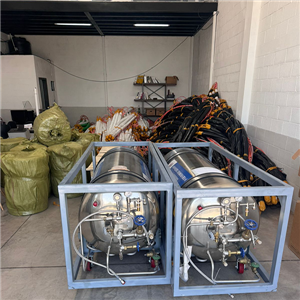
CO₂ storage and supply equipment
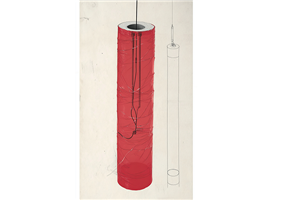
Fracturing tubes or expansion assemblies
Filling and connection accessories
Control and electrical components
Sealing and safety components
Inspection and maintenance support
Some systems include external surface features intended to improve positioning or friction within a borehole. The design, material compatibility, sealing performance and inspection requirements must be confirmed from the technical documents for the actual model.
How the Technology Is Evaluated
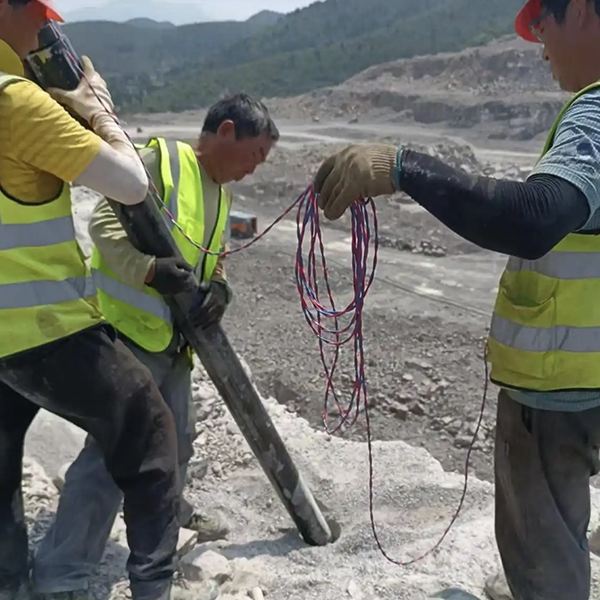
The basic concept is controlled gas expansion inside a dedicated fracturing assembly. The resulting force may help extend natural cracks or create fractures in the surrounding rock mass.
Actual performance depends on rock strength, joints, water conditions, free faces, confinement, excavation geometry and site organization. Pressure, temperature, energy, timing and service-life figures from a source article should not be treated as universal product specifications or as guaranteed Yantai Gaea performance.
Potential Applications
CO₂ rock fracturing may be evaluated for:
Quarry and aggregate extraction
Open-pit and underground mining
Tunnel and roadway excavation
Foundation, trench and municipal projects
Highway and infrastructure construction
Concrete and industrial equipment clearing
Geological exploration and stone cutting
Selected cold-region or underwater infrastructure work
Each application requires a separate engineering and safety review. Underground, enclosed and underwater environments need additional attention to ventilation, gas release, access control, communication and emergency response.
Comparing Project Options
Project teams should compare CO₂ fracturing with mechanical breakers, static splitting agents and conventional blasting based on the complete project workflow. Relevant factors include:
Geological conditions and required excavation volume
Site access and equipment compatibility
Noise, vibration, dust and flyrock controls
CO₂ supply, transport and storage
Labor, maintenance and material handling
Contractor qualifications and local permits
Expected productivity and total cost
The source article describes several advantages, including lower disturbance, reuse and operating flexibility. These claims require verification through model-specific documentation, project data and site monitoring.
Safety and Compliance
CO₂ systems involve pressure equipment, low-temperature materials, gas release and electrical controls. Storage, transport, inspection, installation, operation and maintenance must be managed by trained and authorized personnel under an approved project safety plan and applicable local regulations.
Yantai Gaea can help customers review whether a CO₂ fracturing system fits their rock type, worksite, production goals and compliance requirements. The final method should be selected through documented engineering assessment rather than general promotional claims.