Common Applications of Down-the-Hole Hammers in Hard Rock Drilling
Common Applications of Down-the-Hole Hammers
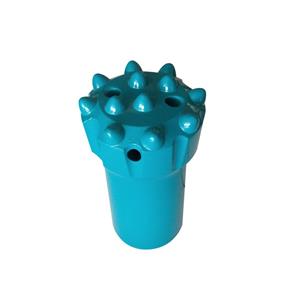
A down-the-hole hammer, often called a DTH hammer, is a compressed-air-powered drilling tool that delivers impact directly at the bottom of the hole. Its piston and drill bit operate close to the rock face, which can reduce energy loss through the drill string and support efficient drilling in hard rock.
Because of this operating principle, DTH hammers are used across a wide range of mining, civil, geotechnical, water-resource, and marine applications.
Mining and Quarry Blast Holes
Mining and quarry blast holes are among the most established applications for DTH drilling. DTH rigs can drill vertical, inclined, or horizontal holes for bench blasting, surface quarrying, and road-cut excavation.
Performance depends on correct matching of the hammer, bit, drilling rig, and compressed-air supply. Final blast-hole design and all explosive-related work must be planned and performed by authorized personnel under approved site procedures.
Large-Diameter Rock-Socketed Foundation Piles
DTH hammers can be used in foundation projects where conventional rotary methods encounter hard rock. Typical applications include bridge foundations, rail infrastructure, and high-rise construction requiring piles socketed into competent rock.
Depending on the ground conditions and project requirements, DTH equipment may be integrated with rotary drilling rigs, large piling rigs, or full-rotation systems. Casing-supported solutions can be relevant in unstable ground, karst, or collapse-prone formations.
Water Wells and Geothermal Wells
In hard-rock areas, DTH systems are commonly used for irrigation wells, domestic water wells, and geothermal exploration or development wells. Compressed air can lift drill cuttings from the hole, helping maintain drilling progress without relying on conventional mud circulation in suitable conditions.
Water-well design, aquifer protection, and completion work must follow applicable hydrogeological, environmental, and permitting requirements.

Geotechnical Anchoring and Slope Stabilization
DTH drilling can support rock anchoring, slope reinforcement, foundation support, anti-slide structures, and tunnel pre-support systems. Its ability to penetrate competent rock can be useful where fractured zones or boulder-rich ground make drilling more difficult.
The drilling method, hole location, anchoring system, and support design should be determined by qualified geotechnical and project engineers.
Underwater and Marine Construction
DTH systems can also be applied to underwater rock drilling for port works, subsea trenching, offshore wind foundations, and other marine projects. These operations require specialized rigs, suitable drill-string arrangements, and dedicated safety and environmental controls.
Key Selection Principle
DTH hammers can be used from relatively small-diameter anchoring holes to large-diameter foundation drilling. Their effectiveness depends on matching the tool to the rock conditions, required hole diameter, drilling rig, air system, site constraints, and approved engineering plan.