Directional Expansion Agents for Metro Construction
Directional Expansion Agents for Metro Construction
Directional expansion agents can be used in underground construction where conventional explosive blasting is restricted by nearby structures, vibration limits, confined spaces, and strict safety requirements. Metro projects often involve rock excavation, reinforced-concrete removal, tunnel enlargement, and foundation treatment in sensitive urban environments.
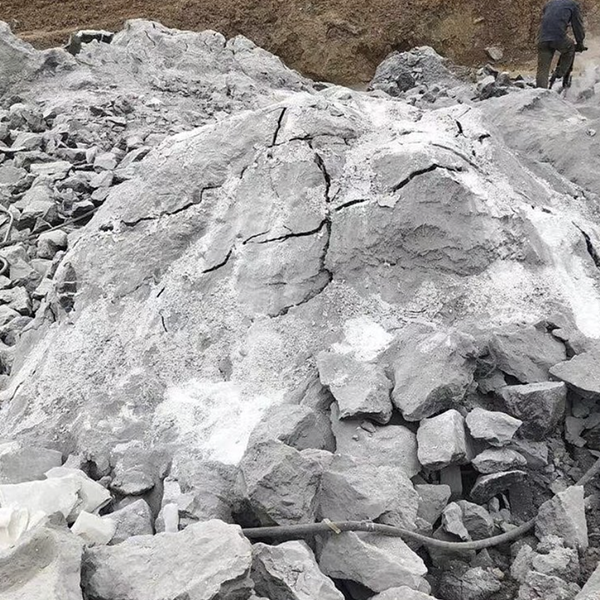
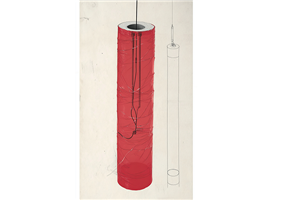
The basic method uses pre-drilled boreholes filled with an expansive material. After mixing with water, the agent develops internal pressure through a controlled chemical reaction. The pressure acts on the borehole wall and can create cracks along a planned direction.
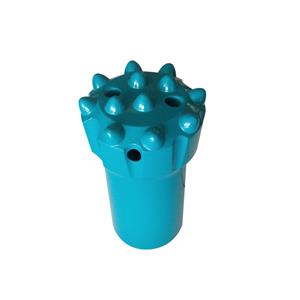
For metro construction, drilling design is especially important. Hole diameter, depth, spacing, loading direction, free-face conditions, surrounding structures, and reinforcement layout must be evaluated before work begins. A well-planned pattern can improve crack control and reduce unnecessary disturbance to adjacent tunnel elements or utilities.
Static expansion methods may be useful for local concrete removal, tunnel-side trimming, foundation breaking, or confined excavation zones. They do not eliminate normal construction risks. Contractors should establish exclusion zones, control access, provide personal protective equipment, inspect boreholes, and follow the product supplier’s mixing and loading instructions.
Before large-scale use, a controlled trial should verify actual cracking performance, reaction time, material consumption, and the need for secondary breaking. Project engineers should also confirm compliance with metro-owner requirements, local safety rules, environmental controls, and underground-construction procedures.
Directional expansion agents can support controlled non-explosive breaking in metro projects when selected through site-specific engineering analysis and operated by trained personnel.