Don’t Get Tripped Up by Fragmented Strata: Two Core Strategies to Boost Rock Drilling Efficiency by Up to 30%
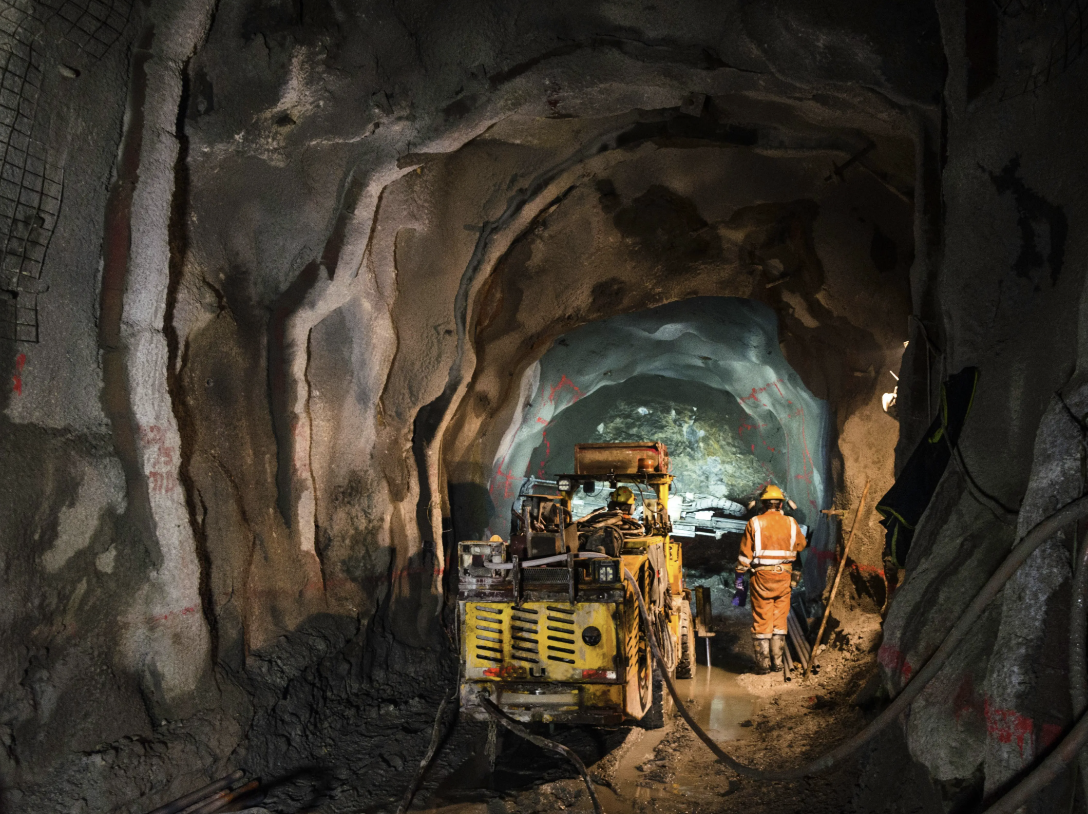
In mineral exploration and geological drilling, fragmented strata—such as heavily jointed rock or loose sand layers—are a major challenge to both efficiency and safety. These formations are unstable and prone to problems like borehole collapse and stuck tools, which delay progress and can damage equipment. Mastering scientifically grounded drilling methods for fragmented strata is essential to keep operations on track.
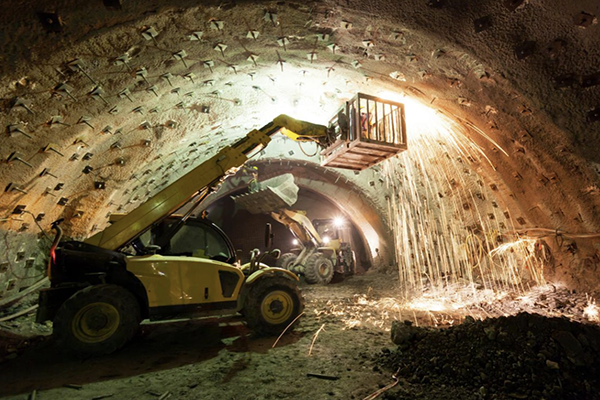
Precisely tune drilling parameters around the “low-disturbance” principle Because fragmented strata are fragile, drilling should minimize mechanical disturbance. Adjust the three core parameters—weight on bit (WOB), rotation speed (RPM), and pump/flow rate—according to this principle:
Reduce WOB appropriately
In stable formations WOB drives breakage, but in fragmented ground excessive WOB exacerbates fracturing and can trigger collapse. Target roughly 60–80% of the normal WOB for the formation to retain cutting ability while avoiding further damage to the strata.Slow the rotation speed
High RPM produces frequent impacts against the borehole wall and undermines its already weak stability. In practice, reduce RPM by about 20–40% from normal rates and use a “low RPM + steady feed” approach to limit rigid collisions between the bit and the wall.Balance pump/flow rate dynamically
Circulation must both prevent washout of the mud cake and remove cuttings. Too high a flow erodes the mud cake and raises collapse risk; too low a flow fails to evacuate cuttings and causes clogging. Aim for a pump rate around 70–90% of normal, finding the balance between protecting the wall and keeping the borehole clear.
Shift from passive protection to active wall stabilization Parameter adjustments alone are often insufficient for severely fragmented zones. Combine them with active wall-protection techniques—both physical isolation and chemical strengthening—to improve stability:
Use quality drilling fluid for wall protection
Drilling fluid is the primary material for stabilizing fractured formations. Increase fluid viscosity (about 20–30 s Marsh funnel time) and density (around 1.2–1.4 g/cm³) so it forms a continuous, impermeable mud cake on the borehole wall. This mud cake balances formation pressure, reduces loss of drilling fluid into the strata, and helps prevent collapse. Adjust fluid properties dynamically based on the degree of fragmentation to maintain mud cake integrity.Apply casing-based physical isolation
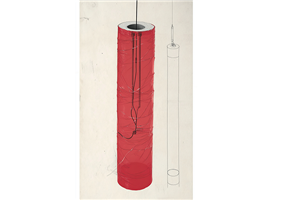
For extremely broken zones, casing-while-drilling (running casing as you drill) provides direct mechanical isolation: the casing’s rigidity protects the hole from the fractured band. Where fragmentation is localized, a “drill-to-depth, set casing, then continue” sectional approach can isolate trouble zones and prevent continued deterioration.
Operational best practices: details matter
Monitor downhole conditions in real time: use WOB and torque feedback, mud return volume and appearance, and other indicators to assess wall stability. If mud losses, sudden changes in torque, or abnormal tool resistance occur, promptly adjust parameters or implement wall-protection measures.
Avoid frequent tripping: repeatedly pulling out and running in the drill string disturbs the borehole wall. Plan drill-string and tool configurations in advance to minimize unnecessary tripping.
Core idea: reduce disturbance and strengthen protection. By tailoring drilling parameters to minimize interference, applying proactive wall-stabilization measures, and maintaining precise on-site monitoring, teams can effectively reduce risks in fragmented strata and achieve more stable, efficient drilling—often improving productivity by as much as 30%.