Don’t Let Dust Become a “Killer”: Eight Essential Dust-Control Measures for Tunneling Faces
Underground tunneling faces in coal mines are vulnerable to dust — an invisible threat to miners’ health and to mine safety. Long-term inhalation can lead to irreversible pneumoconiosis, and high dust concentrations may trigger coal-dust explosions with catastrophic consequences. That’s why establishing a comprehensive, multi-stage dust-control system covering all steps of tunneling is a top safety priority. Below are eight key measures organized by their role in the dust-control chain.
Controlling dust at its source is the most effective strategy. If drilling and blasting — the biggest dust generators — are addressed first, the downstream work becomes much easier.
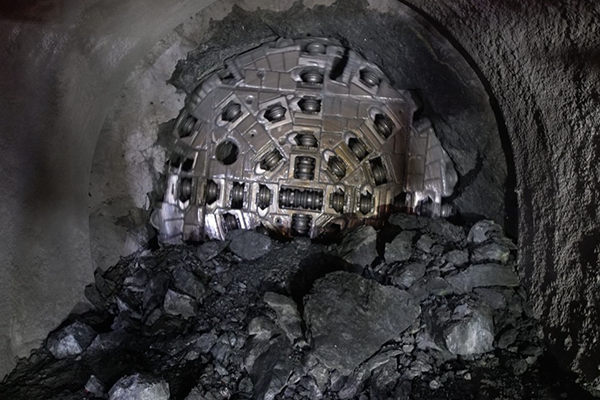
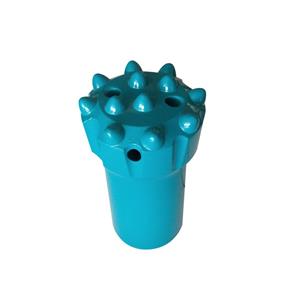
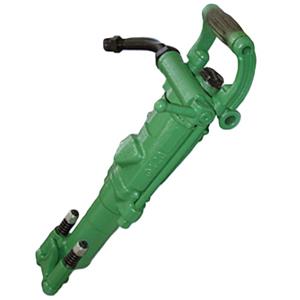
Wet drilling: the primary dust killer Drilling produces the most dust during tunneling. Wet drilling uses simultaneous drilling and water injection: a water channel runs down the center of the drill rod so high-pressure water is delivered right to the borehole bottom. The water mixes with cuttings and turns them into slurry, preventing dust from becoming airborne. This method can reduce over 80% of drilling dust and should be standard practice. Two operational points are critical: ensure a stable water supply with pressure of at least 0.3 MPa, and regularly check drill-rod seals to avoid leaks that would reduce both dust control and borehole quality.
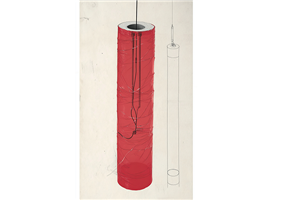
Water-bag stemming: dust suppression and cooling during blasting Blasting causes a sudden spike in dust concentration. Ordinary stemming alone can’t stop the dust. Water-bag stemming uses water-filled thin-film bags sized to the borehole diameter and placed in the hole bottom or middle together with conventional stemming material. When the charge detonates, the bag ruptures and the water instantly atomizes into a fine mist, capturing 60–70% of the dust and providing cooling that helps reduce toxic gases like carbon monoxide. Typically one to two water bags per borehole are used; choose durable film bags to avoid pre-blast leakage.
Even with source controls, some dust will escape. The next layer focuses on intercepting and containing that dust so it doesn’t spread.
Blast-triggered spray/fogging: immediate interception of blasting dust Water-bag stemming cannot capture all dust. A blast-triggered spray or fogging system installed 10–15 m from the face and linked to the blast signal automatically activates at detonation, creating a wide curtain of mist that traps dust before it spreads. The spray should run for at least 15 minutes to allow particles to settle before work resumes. Some mines deploy one or two additional spray barriers to form multiple interception lines for better protection.
Washing tunnel walls and ribs: preventing secondary dust re-entrainment After blasting, loose dust clings to the tunnel walls and ribs. If left, subsequent rock bolting, material handling or airflow can re-entrain this dust. Before bolting or other follow-up work, crews should use high-pressure water guns to wash the walls and ribs from top to bottom and from the face outward. This removes adhered dust, keeps rock surfaces wet, and prevents secondary dust generation. Pay special attention to corners and gaps near supports where dust tends to accumulate.
Wetting during loading: dust control at transfer points Loading and handling rock or coal — at the loading machine, conveyor transfer points and material piles — create dust from collisions and abrasion, especially when materials are dry. Continuous, targeted wetting at these transfer points keeps the material moist and suppresses dust. Workers use hoses to spray the loader bucket, rock/coal piles and conveyor transfer points. Key: balance the water volume. Too much water causes clumping and mud, risking equipment problems (e.g., conveyor slippage); too little won’t control dust.
After primary and process-level measures, very fine respirable dust may still remain. The middle layer uses mechanical systems to clean the airstream — effectively giving the mine air a “wash.”
Airflow purification: secondary air cleaning in the tunnel Airflow purification is the mid-level defense. Typical systems include: (a) dust-extraction fans that draw contaminated air through filter bags or cyclonic separators, discharging cleaned air; and (b) high-pressure water curtains that capture dust passing through the curtain. Equipment is usually placed 50–100 m from the working face and requires regular maintenance: clean or replace filter bags and cartridges, service fans, and keep water curtain nozzles clear to maintain efficiency.
When wet methods aren’t feasible, dry solutions and personal protection serve as essential fallbacks.
Dry dust collection: an alternative for water-limited or unsuitable faces On faces lacking water supply or where wet operations are impractical (e.g., unstable floor conditions), dry dust collection is an important alternative. Install sealed dust hoods at drilling or transfer points and connect them by negative-pressure ducts to a dry dust collector with cartridge filters. The system must be well sealed so the hood fits the borehole or transfer point tightly, all duct connections are airtight, and filters are cleaned or replaced regularly to prevent clogging.
Personal protective equipment (PPE): the last line of defense Source and engineering controls cannot eliminate all dust; PPE protects individual miners as the final safeguard. Workers must wear compliant protective gear, including:
Respirators: use KN100-class respirators (≥99.97% filtration for respirable dust); replace filter elements every 8 hours under normal conditions and more frequently in higher concentrations.
Safety goggles: protect eyes from dust to prevent conjunctivitis and other eye injuries.
Dust caps/helmets: reduce surface contamination and secondary transfer of dust.
Mines must provide comprehensive training so personnel know how to wear and maintain PPE properly and never neglect its use.
Integrated defense across all stages Tunneling dust control depends on coordinated measures across four tiers: source suppression, process interception, midstream purification, and end-point protection. From wet drilling and water-bag stemming at the source, to blast-triggered sprays, wall washing and wetting during loading to limit spread, then airflow purification to remove residual dust, and finally personal protective equipment as the fail-safe — this layered approach creates a full-spectrum defense.
Although modern smart mines increasingly adopt automated spray linkage, real-time dust monitoring and other technological upgrades, consistently implementing these eight fundamental measures remains the core foundation for protecting miners’ health and preventing dust-related accidents.