Common Failures, Causes, and Simple Solutions for Down-the-Hole Hammers
Common Down-the-Hole Hammer Failures and Solutions
A down-the-hole hammer is a core rock-drilling component that works under high pressure, dust, water, and repeated impact. Without proper air quality, lubrication, operation, and maintenance, the hammer may suffer from weak performance, loss of impact, air leakage, overheating, jamming, or premature drill-bit damage.
No Impact After Air Supply
If the hammer rotates but does not impact, first check the air compressor, air volume, pipeline leakage, moisture separator, and blocked air passages. Internal valve components may also be stuck because of rust, oil deposits, or rock dust.
A seized piston or damaged cylinder can prevent normal impact. Drill-bit blockage, missing retaining components, or debris in the hole may create similar symptoms. These conditions require systematic inspection and qualified maintenance.
Weak Impact and Slow Drilling
Reduced drilling speed may result from leakage at threaded joints, damaged sealing shoulders, excessive piston-to-cylinder clearance, worn valves, aged seals, or a severely worn drill bit.
Checking the connection surfaces, measuring component clearances, replacing degraded seals, and servicing the bit can help restore performance. Maintenance decisions should follow the equipment manufacturer’s specifications.
Excessive Air Leakage
Large amounts of air escaping from the outer casing may indicate damaged seals, cracked tubes, or impact-related deformation. Replace worn sealing rings and any cracked or damaged tubular components before returning the hammer to service.
Overheating
Insufficient pneumatic lubrication, prolonged overload operation, excessive air pressure, idle striking, or contaminated air containing too much oil can increase friction and heat.
Preventive care includes using the specified pneumatic lubricant, avoiding idle striking, keeping pressure within approved limits, and removing internal deposits during scheduled service.
Jamming and Seizure
Water intrusion, poor storage, rust, incompatible drill rods, eccentric movement, and forcing the hammer under high pressure can cause internal parts to seize or deform.
Disassembly, corrosion treatment, inspection of matching drill rods, and controlled methods for releasing a stuck tool should be performed by trained personnel. Do not use improvised force that may worsen component damage.
Drill-Bit Loss and Carbide Breakage
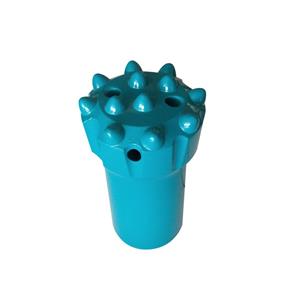
Retaining-ring or locating-pin wear can allow the drill bit to loosen. Aggressive operation, angled drilling, or hard contact with isolated boulders can produce uneven loading and carbide breakage.
Inspect retaining components regularly, control feed during angled drilling, and avoid forcing the bit against unexpected hard points.
Maintenance Principle
Reliable DTH hammer performance depends on clean and adequate air supply, correct lubrication, compatible drill-string components, controlled operating practices, and timely replacement of worn parts. Always follow the manufacturer’s service manual and the site’s approved safety procedures.