How a DTH Drill Rig Works: The Bottom-Hole Impact Principle Explained
Down-the-hole drilling rigs are used in construction, railways, highways, water projects, hydropower, mining, and quarrying. They drill anchor holes, rock-bolt holes, blastholes, grouting holes, and other openings in hard rock.
The rig may look like a conventional impact-rotary drilling machine, but its most important difference is where the impact energy is generated.
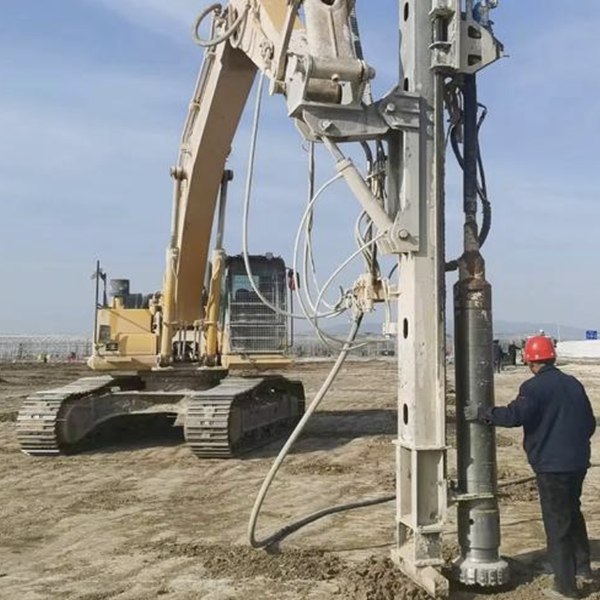
The impact mechanism works inside the hole
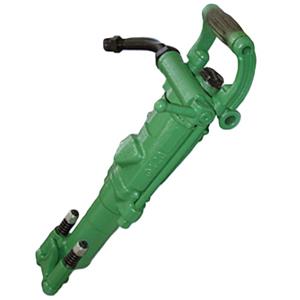
A conventional top-hammer rock drill keeps the impact mechanism at the surface. Impact energy must travel through the drill rods before reaching the bit. As the hole becomes deeper, energy losses and vibration in the drill string can become more significant.
A DTH rig places the impactor directly behind the drill bit at the bottom of the hole. The piston strikes the bit downhole, while compressed air powers the hammer and helps remove cuttings.
Because the impact is generated close to the rock face, less energy is lost through the drill string. This is why DTH drilling can maintain strong performance in deep hard-rock holes.
A typical DTH drilling assembly includes:
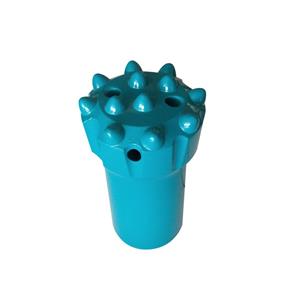
Drill bit
DTH hammer
Drill rods
Air connection
Air-supply line
Pressure-control or feed cylinder
Drill frame
The hammer and bit must be matched to the hole diameter, formation, compressor, and rig capacity. A powerful hammer cannot compensate for inadequate air supply or a poorly selected bit.
Main components of a large surface DTH rig
A large crawler-mounted DTH rig contains several systems that work together.
Drill frame: The drill frame acts as the guide rail for the rotary head, feed system, and drill string. It must remain rigid and aligned during drilling.
Slide or carriage: The slide is commonly a welded box structure that supports and connects the drill frame to the main machine.
Rotary head: The rotary system usually includes a hydraulic motor, spindle assembly, rod connection, slide plate, and central air passage. The rotary head turns the drill string while compressed air travels through the hollow rods.
Feed system: A hydraulic feed motor, sprockets, chain, and buffer springs move the rotary head and drill string along the frame. The feed force must be stable. Excessive or uneven feed can increase rod bending and bit wear.
Rod-changing or rod-removal device: Larger rigs may use upper and lower rod handlers, rod clamps, and hydraulic cylinders to add or remove rods more efficiently.
Dust-control system: DTH drilling produces rock dust and cuttings. Depending on the site, the rig may use dry dust collection, wet suppression, combined systems, or foam dust control.
Crawler travel system: A crawler chassis generally includes the travel frame, hydraulic motors, planetary reducers, tracks, drive wheels, idlers, and track-tensioning components.
Main chassis: The air compressor, dust collector, hydraulic tank, pump group, valve group, and operator cabin are mounted on the main frame.
Machine-slewing system: A slew motor, brake, reducer, pinion, and slew bearing allow the upper structure to rotate relative to the undercarriage.
Drill-frame swing mechanism: Swing cylinders, pivot pins, and brackets allow the frame to move laterally and adjust the drilling angle.
Compressed-air and hammer system: A screw compressor commonly supplies high-pressure air to the DTH hammer. The same air system may also support the blowback or cleaning function of a laminar-flow dust collector.
How the drilling cycle is controlled
During drilling, the rotary head turns the rods and bit while the feed system applies controlled force. The DTH hammer piston repeatedly strikes the bit, breaking the rock at the bottom of the hole.
Compressed air performs two jobs:
It drives the hammer piston.
It carries broken rock and dust out of the hole.
If the air volume is too low, the hammer may lose impact frequency and the hole may not clean properly. Cuttings can accumulate around the bit, causing regrinding, reduced penetration, higher wear, and possible jamming.
The feed system also matters. The drill should advance at a rate that matches the bit's ability to break and clear the rock. Too much feed force can overload the bit and rods. Too little force can cause inefficient contact and unnecessary vibration.
How a general-purpose DTH rig is arranged
A standard DTH rig generally consists of the drill string, button bit, and DTH hammer, together with rotary, air, lifting, and pressure-control systems.
The rotary air-supply assembly may include a rotary motor, rotary gearbox, and air swivel. The air swivel uses a body, seals, hollow spindle, and rod connection to deliver compressed air through the rotating drill string.
A pneumatic rod clamp can help with rod connection and removal.
The lifting and pressure-control system uses a lifting motor, gearbox, lifting chain, pressure cylinder, and pulley arrangement. During normal work, the pressure cylinder acts through the pulley system to provide controlled feed and pressure-relief drilling.
This arrangement allows the operator to manage rotation, feed, lifting, and down-pressure as one coordinated process.
Why component matching matters
DTH drilling performance depends on the interaction of all major components.
Before selecting a rig or replacing a hammer, review:
Required hole diameter
Hole depth and angle
Rock hardness and abrasiveness
Expected penetration rate
Compressor pressure and air volume
Drill-rod diameter and thread
Bit button layout
Dust and cuttings-removal method
Available feed force
Site access and mobility
The hammer, bit, drill rod, shank connection, compressor, and dust-control system should be selected as a package.
For example, a bit designed for abrasive granite may not be the right choice for fractured limestone. A long drill string with poor alignment can lose energy and create deviation even when the hammer itself is operating correctly.
Maintenance starts with air, alignment, and wear
A DTH rig should be checked regularly for:
Air leakage at swivels and connections
Worn rod threads
Bent drill rods
Loose guide components
Abnormal hammer noise
Reduced penetration rate
Poor dust collection
Track or feed-system wear
The drill bit should be inspected after drilling. Button wear, gauge loss, bit-body damage, and an uneven wear pattern may indicate that the bit design or drilling parameters do not match the formation.
DTH drilling for modern rock projects
DTH rigs remain important because they combine high-impact drilling with flexible hole angles, good mobility, and efficient cuttings removal.
They are used in mining and quarrying, foundation piles, slope anchoring, tunneling, water wells, road construction, and infrastructure work. In each application, the most reliable result comes from matching the rig and tool string to the rock rather than choosing components by size or price alone.