Gas Rock Fracturing Systems for Mining: Applications and Selection Considerations
Gas Rock Fracturing Systems for Mining: Applications and Selection Considerations
Gas rock fracturing is a method that mine operators and contractors may consider when planning rock excavation. A CO₂-based system uses controlled gas expansion to apply force to a rock mass and help initiate or extend fractures.
The method can be evaluated alongside conventional blasting, hydraulic breaking and static splitting. Its suitability depends on the rock mass, excavation volume, nearby infrastructure, equipment logistics and applicable regulations.
Understanding the System
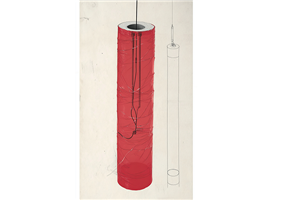
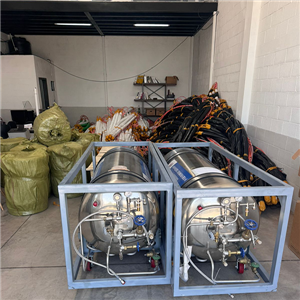
A CO₂ fracturing system generally includes a purpose-designed fracturing assembly, gas supply equipment, control components and supporting accessories. System configurations and specifications vary by manufacturer and model.
The source article highlights energy and tube dimensions as factors in equipment selection. These figures should be read in the context of a specific product and project; they cannot independently predict field performance. Rock strength, natural joints, groundwater, confinement and free faces all influence the result.
Where Gas Fracturing May Be Considered
Potential projects include:
Selected quarry and stone-extraction work
Mine development and secondary rock breaking
Foundation excavation for infrastructure
Tunnel and roadway excavation
Rock removal near buildings or sensitive facilities
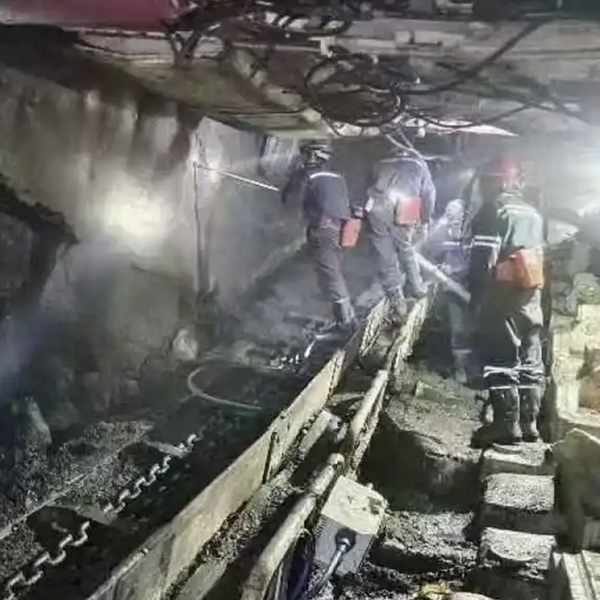
Each application requires an engineering review. The source article claims that the method can eliminate flyrock and is inherently safe in gassy underground mines. Those claims should not be generalized: underground use requires specific equipment suitability, ventilation, gas monitoring, risk controls and regulatory approval.
Matching Equipment to the Project
Before selecting equipment, contractors should define the intended excavation volume, rock conditions, available work area, production schedule and supporting machinery. A system that suits intermittent foundation work may not be the best choice for continuous, large-volume mining.
Buyers should request the exact model’s specifications, component compatibility, inspection requirements and maintenance instructions. Any advertised service life or reuse count needs to be verified against manufacturer documentation and the intended operating conditions.
Evaluating the Whole Cost
Purchase price is only one part of the decision. A project comparison should also include preparation, labor, CO₂ supply, transport, consumables, inspection, maintenance, supervision and removal of broken material.
Some components may be reusable, while others may require replacement. The applicable limits and inspection procedures should be confirmed for the specific equipment.
Safety and Supplier Support
Gas fracturing involves pressure equipment and gas release. Noise, vibration, dust and flyrock can still occur. In enclosed or poorly ventilated spaces, accumulated CO₂ can create an asphyxiation hazard. Work must be performed by trained and authorized personnel under manufacturer instructions, an approved site safety plan and local regulations.
Yantai Gaea can discuss equipment and support options using the customer’s geological information, worksite layout and production objectives. Final specifications, service scope and commercial commitments should be confirmed in the quotation and contract.