Guide to Proper Maintenance and Use of Auger Drill Rods
1. Select the Right Rod and Strictly Control Operating Parameters
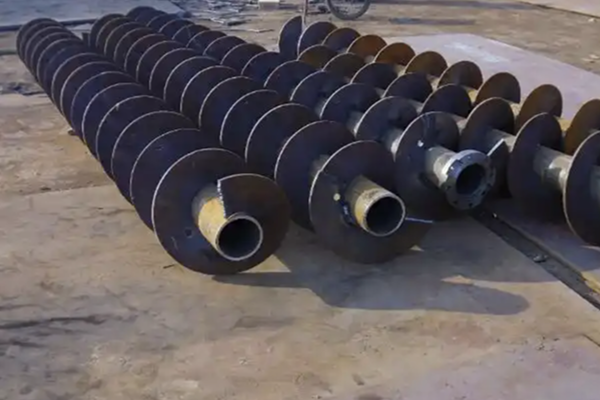
Auger drill rods must be used strictly within the rig’s rated drilling capacity. Before operation, choose rods whose specifications and performance fully match the rig model, rated drilling range, and other key technical parameters. Never pair a small rig with oversized rods or run rods beyond their designed limits. Proper matching prevents overload damage at the source and ensures stable drilling performance.
2. Use Correct Bit Pairing to Prevent Drilling Faults
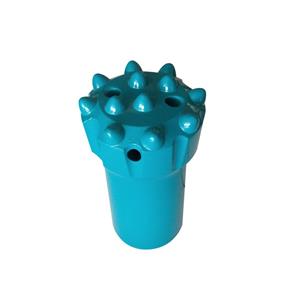
Auger rods must be used with compatible drill bits. In standard operations, the bit diameter should be slightly larger than the rod diameter to ensure smooth penetration.
During drilling, continuously monitor both rig and rod conditions. If abnormal events occur—such as sticking or rod seizure—stop drilling immediately. If needed, back-drill first, then resume with slow, controlled feed. Keep thrust force under tight control throughout to prevent irreversible rod damage such as bending or deformation caused by excessive external load.
3. Ensure Tight Connections and Maintain Sealing Components
For ventilation or water-transfer drilling, confirm in advance that all rod connections are tightly fitted with no looseness or gaps, so the medium can be delivered without leakage.
For rods equipped with sealing elements such as O-rings, inspect seal integrity routinely. If any seal shows damage, aging, corrosion, or leakage, replace it immediately with a qualified seal of the same specification. After each drilling cycle, clean and wipe all seals promptly to remove debris and contaminants, ensuring long-term sealing reliability.
4. Standardize Connection Procedures and Control Drilling Depth
When connecting rods, use manual precision alignment to ensure full thread engagement and proper fit at all connection points. Do not use the rig’s power system to force thread makeup directly, as excessive impact can damage threads and the rod body.
Drilling depth must comply with geological drilling standards. Never exceed the rod’s rated maximum working depth, as over-limit operation can cause rod drop-off, fracture, and other major safety hazards.
5. Inspect Promptly and Retire Defective Rods
After use, perform a full inspection of rod condition. If any of the following is found—bend beyond industry limits, severe thread wear/damage, rod-body cracking, or any defect that prevents safe normal drilling—remove the rod from service immediately.
Handle it according to scrapping procedures or return it to the manufacturer for professional repair/refurbishment. Never continue operating with defective rods.
6. Add Extra Protection in Corrosive Environments
In highly corrosive areas such as saline-alkali land or acidic soils, take special precautions against chemical attack on the rod body. After each operation, rinse the rod thoroughly with clean water to remove acidic/alkaline residues, corrosive deposits, and drilling mud. Remove surface corrosion products promptly to reduce continued chemical attack and protect the base material.
7. Implement Routine Maintenance and Proper Storage
Establish a regular maintenance schedule based on operating environment, humidity, and usage frequency. Carry out routine anti-rust, oiling, and dust-protection treatment. Remove rust, dust, and debris from rod surfaces in a timely manner.
After maintenance, fit dedicated protective caps on threaded ends or place rods in sealed storage cases. This prevents long-term exposure to moisture, dust, and corrosion, keeps rods in ready-to-use condition, and extends overall service life.