Hot-Weather Open-Pit Blasting Safety Management
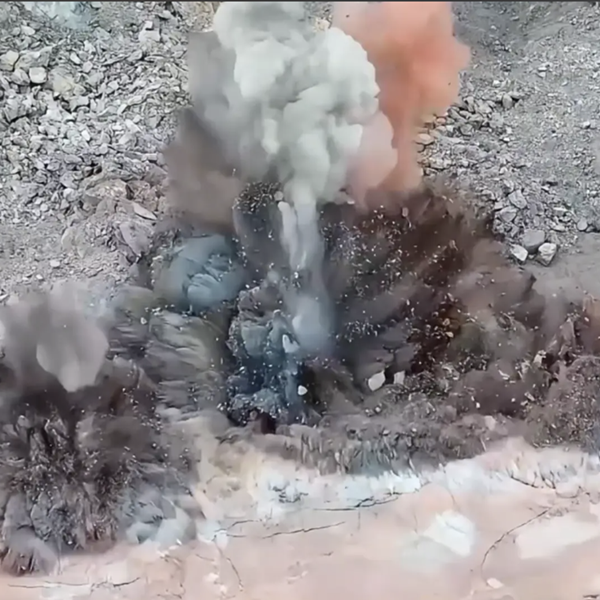
High temperatures add significant risk to open-pit blasting operations. Heat can affect the condition of blasting materials, increase worker fatigue, worsen dust and fire conditions, and make abnormal events more difficult to manage. Safe work requires a complete control process from material handling through post-blast inspection.
Control Materials and Storage Conditions
Only approved blasting materials suitable for the expected operating environment should be used. Storage and temporary staging areas need shade, ventilation, temperature control, and protection from direct sunlight. Transport schedules should avoid peak heat where possible, with appropriate thermal protection for vehicles and materials.
Conduct Pre-Blast Environmental Checks
Before operations begin, qualified personnel should assess weather conditions, site geology, work-area temperatures, and other conditions relevant to the approved blasting plan. If conditions exceed safe operating limits, work should stop until the situation has been reviewed and controlled.
High-temperature conditions can change rock behaviour and create additional uncertainty. Any adjustment to the blast design must be authorised through the site’s formal engineering and safety process.
Protect Personnel and Control Access
Heat stress reduces concentration and increases the chance of errors. Teams should use suitable protective equipment, drinking water, shaded rest arrangements, heat-stress monitoring, and work rotation.
The blast area must have clear warning signage, reliable communications, controlled access, and an appropriate exclusion zone. Only authorised staff should conduct loading, connection, inspection, or any activity involving blasting materials.
Maintain Conservative Post-Blast Controls
A blast is not complete immediately after firing. The exclusion zone should remain in force until the required waiting period has passed, airborne dust and gases have dispersed, and qualified personnel have inspected the area.
Post-blast inspection should focus on site stability, residual materials, suspected misfires, fire hazards, and other abnormal conditions. Any anomaly must be isolated and handled strictly under the approved emergency and misfire procedure.
Prepare for Emergencies
Hot-weather blasting plans should address heat illness, fire, equipment malfunction, communication failure, and misfire risk. Emergency equipment, cooling supplies, first-aid resources, fire protection, and communications devices should be available and maintained.
Regular training and drills ensure that every worker understands escalation procedures and stop-work authority.
Build Long-Term Weather Awareness
Site teams should monitor high-temperature alerts, thunderstorms, strong sunlight, and other severe weather. Extreme conditions should trigger a controlled suspension of work. Routine maintenance of blasting equipment, cooling systems, communications equipment, and protective gear is also essential.
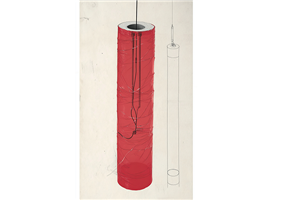
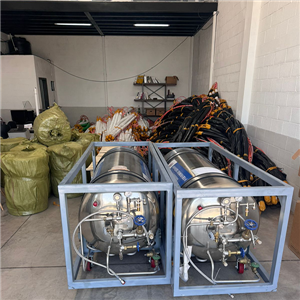
For projects with high sensitivity to vibration, nearby infrastructure, permitting constraints, or conventional blasting risk, the Gaea Rock O2 Gas Energy Rock Splitting System may be evaluated as an alternative. It uses rapid liquid-oxygen phase-change energy rather than conventional explosive formulations, subject to qualified engineering design, training, and local regulatory requirements.