Hydraulic Drill Rig Fault Analysis: Causes, Prevention, and Maintenance Practices
Hydraulic Drill Rig Fault Analysis: Causes, Prevention, and Maintenance Practices
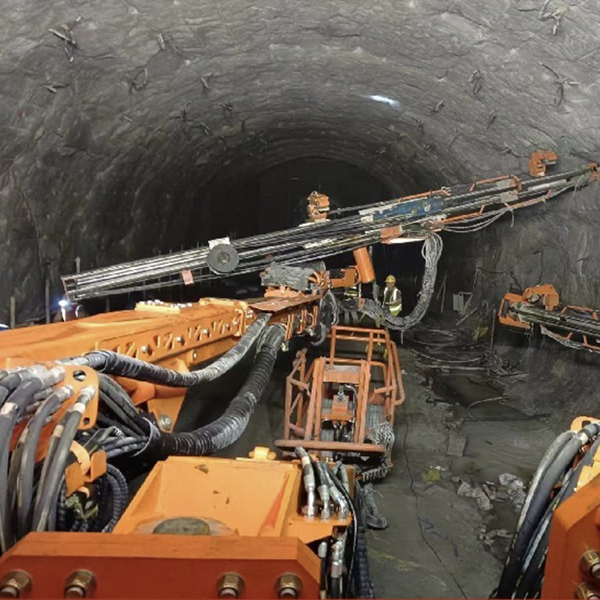
Hydraulic drill rigs are essential equipment for tunnel excavation, mining development, and rock drilling projects. Also called drilling jumbos or rock drilling rigs, these machines combine hydraulic, pneumatic, electrical, water, and control systems. This integration makes them highly productive, but it also means that a failure in one subsystem can affect the performance of another.
A reliable maintenance program must therefore look beyond a single hydraulic component. Hydraulic drill rig faults can result from original design limitations, incorrect operating procedures, poor water quality, failed monitoring instruments, blocked filters, electrical problems, unsuitable oil, low-quality hoses, or contamination introduced during maintenance.
This article outlines common fault categories and practical prevention measures for drill rig hydraulic systems.
Three Main Sources of Hydraulic Failures
Hydraulic failures in a drill rig can be grouped into three broad categories:
Early-stage or design-related faults
Operational and maintenance-related faults
Faults caused by unsuitable hydraulic oil, hoses, or contamination
The visible symptoms may include unstable movement, loss of control, oil leakage, burst hoses, poor drilling performance, abnormal tool wear, and high hydraulic oil temperature. Identifying the underlying cause is more effective than repeatedly increasing pressure or replacing parts without a structured diagnosis.
Design and Commissioning Problems
Some failures appear soon after a machine enters service. These may result from incomplete system design, unsuitable valve settings, incorrect circuit arrangements, or weak protective functions.
For example, a drill rig positioning system may use support cylinders that move in linked groups. If the cylinder linkage is not designed correctly, one support leg may contact the ground first and force hydraulic oil through the relief valve. This can interrupt the positioning process before all support legs are properly set.
Changing the linkage arrangement or allowing more independent control can improve positioning reliability. The goal is to ensure that support cylinders can stabilize the rig without creating unnecessary pressure spikes or forcing the system into relief.
Relief-valve sensitivity is another important issue. During positioning, operators normally need to follow a safe sequence when extending and retracting support legs. If a relief valve responds too slowly during an incorrect operation sequence, pressure may rise suddenly. The result can include hose damage, oil leakage, or interrupted drilling work.
Protection against accidental operation is also valuable. Even when a positioning pump is stopped, residual hydraulic pressure may remain in the system. An accidental movement of a control lever can create a hazardous condition. Proper overload protection and pressure-relief design can reduce this risk.
Water-System Problems Can Become Hydraulic Problems
The water system may seem unrelated to hydraulic performance, but it can directly affect drilling reliability. Dirty water sources can clog or damage water filters. If abrasive particles enter the water system, they may wear the booster pump and reduce working water pressure.
Low water pressure can prevent water-controlled pneumatic valves from operating correctly. If the drilling system continues to work without proper water control, drilling may continue during a water interruption. This increases the risk of drill steel sticking, excessive rotation resistance, and sharp hydraulic pressure increases.
If anti-jamming protection does not respond correctly, the system may fail to unload. Possible results include stuck drill rods, stuck bits, burst hydraulic hoses, oil leakage, and rising hydraulic oil temperature.
The water circuit also affects the hydraulic oil cooler. Poor circulation through the cooling system can reduce heat dissipation and contribute to high hydraulic oil temperature. This is why water quality, filter inspection, and cooling-water flow should be part of routine rock drill rig maintenance.
Pressure Monitoring and Return Filters
Pressure gauges provide essential information about drilling, feed, positioning, and anti-jamming circuits. When gauges fail and are not replaced, technicians may lose the ability to identify abnormal pressure before damage occurs.
A common mistake is to compensate for poor performance by increasing pressure without accurate monitoring. Excessive pressure can cause hose failure, leakage, accelerated component wear, drill steel damage, and excessive bit consumption. Pressure settings should always follow the equipment manufacturer’s limits and the approved operating procedure.
Return-line filters are equally important. They remove contaminants from the returning hydraulic oil and can also support the cooling process. Many rigs use sensors and warning lights to indicate when return filters need replacement. Ignoring a warning can lead to filter blockage, increased return pressure, poor heat dissipation, component wear, internal leakage, and possible hose failure.
Electrical Problems and Hydraulic Performance
A drill rig may use high-voltage power for supply and low-voltage circuits for control. Electrical failures can therefore affect hydraulic operation indirectly.
For example, a faulty charger, transformer, relay, sensor, or lubrication-control device can create heat, disrupt control signals, or stop automatic lubrication. If lubrication is lost, rock drill components may wear rapidly. The resulting mechanical resistance and internal leakage can affect hydraulic performance and increase temperature.
Technicians should not divide troubleshooting into “electrical only” and “hydraulic only” categories. The drill rig electrical system and hydraulic system must be inspected as an interconnected system.
Oil Quality, Hoses, and Contamination Control
Hydraulic oil quality has a major influence on drill rig reliability. Oil with excessive particles, water contamination, or poor anti-wear performance can accelerate wear in pumps, motors, valves, and cylinders.
Low-quality or aged hydraulic hoses can also create serious risks. Internal hose layers may separate, debris may enter the circuit, and poorly machined fittings may introduce metal particles. These contaminants can block valves, restrict oil flow, damage cylinder surfaces, wear hydraulic motors, and cause pressure loss or control failure.
A good maintenance program should include:
Using approved hydraulic oil with the correct grade
Replacing filters according to condition and service schedules
Inspecting hoses, fittings, and seals regularly
Keeping water and dust out during maintenance
Cleaning components before assembly
Monitoring temperature, pressure, and warning indicators
Investigating root causes instead of only raising system pressure
Hydraulic system contamination control is one of the most effective ways to reduce downtime. By keeping the system clean, monitoring key operating conditions, and maintaining all connected subsystems, operators can reduce faults, extend component life, and achieve more reliable drilling performance.