Hydraulic Rock Splitter Process for Controlled Demolition
Hydraulic Rock Splitter Process for Controlled Demolition
Hydraulic rock splitters are used for controlled breaking of rock and concrete where conventional impact methods or explosive blasting may be unsuitable. They work by applying hydraulic force inside a pre-drilled hole, causing the material to fracture along a planned direction.
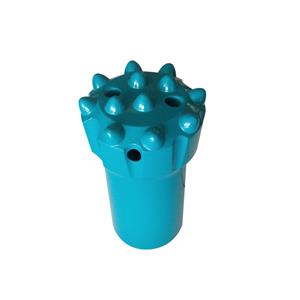
A typical hydraulic splitting process begins with geological and site assessment. Contractors identify the rock strength, natural joints, required break line, working space, borehole diameter, and the equipment needed for drilling and handling. Correct borehole placement is essential because it influences crack direction, fragment size, and production efficiency.
The source article describes several claimed advantages of static hydraulic splitting. These include controlled operation, reduced impact, lower disturbance to nearby structures, and the ability to work in confined or sensitive environments. Actual performance must be verified through a site-specific trial because rock type, hole spacing, hydraulic pressure, equipment condition, and operator skill all affect results.
Compared with impact breaking, a hydraulic splitter aims to use the lower tensile strength of rock and concrete. The splitting tool expands inside the borehole and develops internal force until a crack forms. Once the fracture opens, excavators or secondary equipment can remove the separated material.
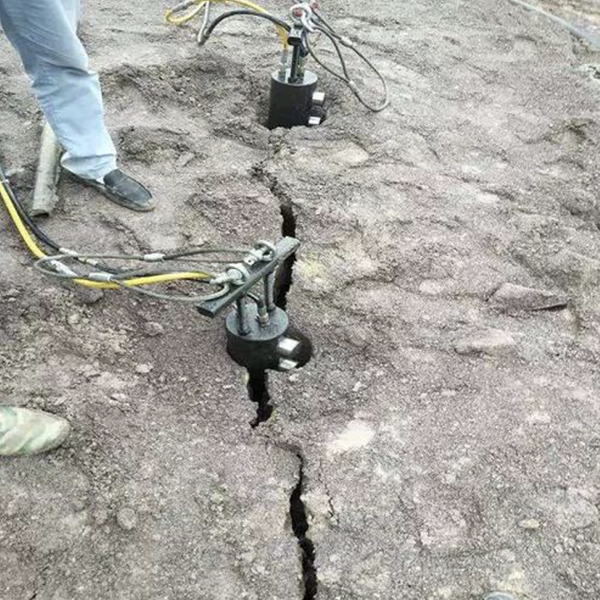
For controlled demolition projects, hydraulic splitters can be considered near occupied buildings, underground structures, utility corridors, precision equipment, or areas subject to vibration and noise limitations. Even so, projects still require a formal risk assessment, exclusion zones, trained operators, equipment inspection, and compliance with local safety rules.
The most reliable selection method is to compare equipment using real project conditions. Contractors should evaluate borehole requirements, splitting force, hydraulic-system reliability, maintenance needs, cycle time, expected output, and the complete cost per cubic metre of material removed.