Hydraulic Rock Splitters for Magnesite Mining and Non-Blasting Rock Breaking
Hydraulic Rock Splitters for Magnesite Mining and Non-Blasting Rock Breaking
Magnesite mining often involves hard, intact rock that is difficult to excavate when conventional blasting is restricted. In these conditions, contractors may rely on large hydraulic breakers, but repeated impact breaking can be slow, costly, noisy, and demanding on equipment. Hydraulic rock splitters provide an alternative non-blasting approach for controlled rock breaking.
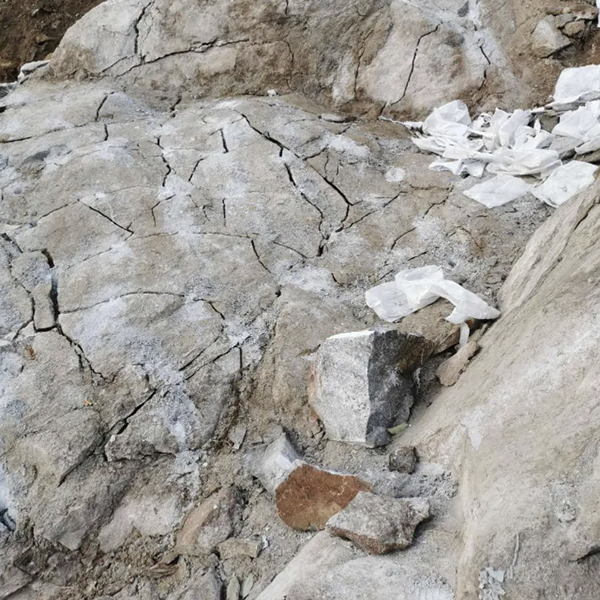
A hydraulic rock splitter works by applying force inside a pre-drilled borehole. Rather than crushing the entire rock mass from the surface, the equipment uses hydraulic pressure to create or extend cracks along a planned direction. This principle takes advantage of the fact that rock is generally much weaker in tension than in compression. When the induced tensile stress exceeds the rock’s resistance, the material splits along its natural structure or the desired breaking line.
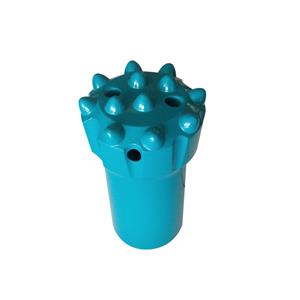
For magnesite mines, equipment selection should begin with the actual geology. Rock hardness, fracture development, weathering degree, bench height, borehole diameter, required production volume, and the availability of drilling equipment all influence the result. A splitter that performs acceptably in weathered stone or small demolition work may not deliver the same result in a dense, hard magnesite formation.
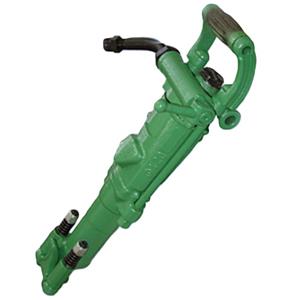
Hydraulic rock-breaking equipment is commonly divided into several categories. Small handheld hydraulic splitters are convenient for limited demolition tasks, narrow workspaces, and individual stones. However, their borehole size and splitting range are usually limited, making them less suitable for high-volume mining or large-scale rock excavation.
Excavator-mounted wedge splitters are another option. These systems use hydraulic power to drive a wedge assembly inside a borehole. They can be useful where mobility is important, but long-term performance depends on the design of the wedge components, the hydraulic system, maintenance practices, and the hardness of the rock. Contractors should evaluate wear parts, service access, and the supplier’s proven application history before purchasing.
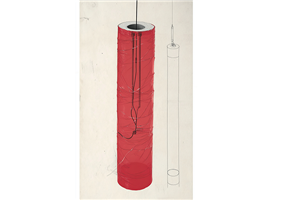
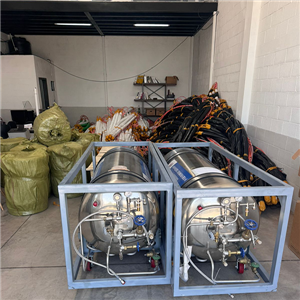
Large-diameter hydraulic splitting rods are designed for more demanding non-blasting work. A hydraulic power unit supplies high-pressure oil to multiple splitting rods, allowing several boreholes to work at the same time. This can create a more continuous fracture line and improve production planning. Large-diameter systems may require excavator handling and specialized drilling, but the wider borehole spacing and larger rock-breaking effect can reduce the total number of holes needed.
The best solution is not always the smallest or lowest-cost machine. In rock excavation, the important question is often the total cost per cubic metre of broken rock. This includes drilling time, equipment reliability, labour, maintenance, secondary breaking, fuel use, downtime, and the amount of usable production achieved. A lower purchase price can become expensive if the machine produces limited output or frequently requires repair.
Before selecting a hydraulic rock splitter, contractors should request site-based evidence. A field demonstration should use rock similar to the planned project, not only a small test block. It is also useful to inspect equipment that has operated over time in comparable mining or civil-engineering conditions. Key questions include borehole diameter, recommended spacing, splitting depth, cycle time, hydraulic pressure, wear-part life, maintenance requirements, and the type of carrier machine required.
Non-blasting rock breaking is particularly valuable where explosives are restricted by safety, vibration, noise, nearby structures, or environmental requirements. For magnesite mines and other hard-rock projects, a properly matched hydraulic splitting system can support controlled excavation while reducing reliance on impact breaking. The final choice should be based on verified site tests, realistic production targets, and lifecycle operating cost rather than promotional claims alone.