Hydraulic Rock Splitting for Water Diversion Tunnels
Hydraulic Rock Splitting for Water Diversion Tunnels
Water diversion tunnel projects often require controlled rock excavation in restricted underground environments. Hydraulic rock splitting can provide a non-explosive method for breaking rock where vibration control, nearby structures, and tunnel safety are important.
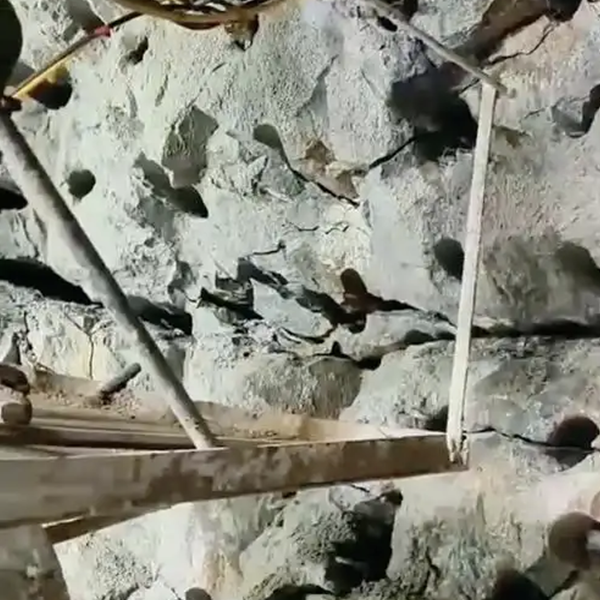
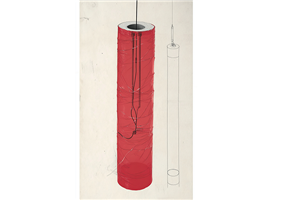
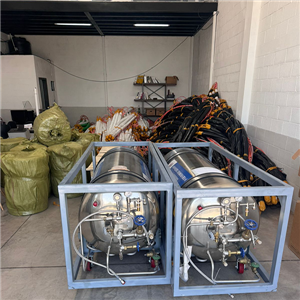
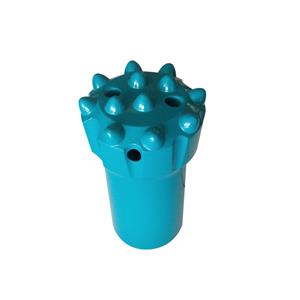
The process typically uses pre-drilled holes and hydraulic splitting equipment. A high-pressure hydraulic system applies force inside the borehole, creating tensile stress that opens cracks in the surrounding rock. The goal is to separate rock in a controlled direction rather than rely on the high-impact energy of conventional blasting.
For water diversion tunnels, the excavation method must be coordinated with geological conditions, groundwater management, tunnel support, ventilation, drainage, and the required profile accuracy. Rock strength, joints, free-face conditions, hole depth, spacing, and drilling accuracy all influence splitting performance.
Hydraulic splitting can be useful for local enlargement, contour trimming, controlled rock removal, and work areas where conventional blasting is limited. It does not replace normal underground safety management. Contractors should establish safe access control, equipment inspection procedures, ventilation arrangements, emergency response measures, and monitoring requirements.
Before full-scale work, a site trial should confirm crack direction, fragmentation size, cycle time, equipment suitability, and secondary-breaking requirements. Project engineers should select the final method based on verified field results, tunnel-design constraints, and applicable safety regulations.