Is CO2 Rock Blasting Really That Clean and Efficient?
Picture this: a construction site where a new highway is being carved through a rocky hillside. Traditional explosives have been the go-to method for decades, but they come with a slew of problems—deafening noise, hazardous fumes, and strict regulatory hurdles. If you're an engineer or project manager, you've probably wondered: Is CO2 Rock Blasting Really That Clean and Efficient? Let's dive into why this technology isn't just a niche alternative but a game-changer for industries from mining to civil engineering.
Deepening the Pain Points: Where Traditional Methods Fall Short
First, consider environmental and safety concerns. Conventional explosives like dynamite release toxic gases and particulate matter, contaminating air and soil. In a recent project in California, regulatory fines for air quality violations added over $50,000 to costs, not to mention the health risks for workers. Second, noise pollution and community disruption are major headaches. In urban areas or near residential zones, blasting can lead to complaints, delays, and even lawsuits. A quarry operator in Germany reported losing two weeks of productivity due to noise-related permits, costing around €100,000 in downtime. Third, precision and control limitations haunt many projects. Explosives often cause excessive fracturing, leading to material waste and increased processing costs. In a mining operation in Australia, inefficient blasting resulted in 15% ore loss, translating to millions in lost revenue annually.
Solutions in Detail: How CO2 Blasting Addresses These Issues
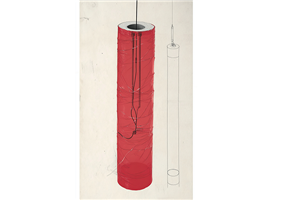
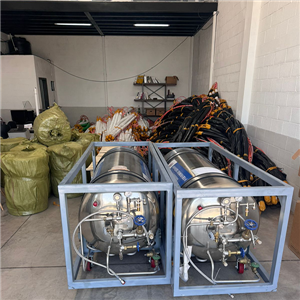
Yantai Gaea Rock Split Machinery Technology Co., Ltd. has pioneered CO2 blasting systems that tackle these pain points head-on. For environmental and safety woes, their technology uses liquid carbon dioxide, which expands rapidly to fracture rock without producing harmful emissions. It's non-toxic and leaves no chemical residue, slashing compliance costs. To combat noise, the process operates at lower decibel levels—typically under 90 dB compared to 140+ dB for explosives—reducing community backlash and speeding up approvals. For precision, adjustable pressure settings allow controlled fracturing, minimizing waste. In tests, this has improved material yield by up to 20%, cutting operational expenses significantly.
Client Cases and Testimonials: Real-World Success Stories
1. Mountain View Quarry, Colorado, USA: Facing strict EPA regulations, they switched to Gaea's CO2 blasters. Results: a 40% reduction in permit delays and a 25% drop in waste rock. Project Manager John Davis says, "This tech saved us $200,000 in fines and boosted our efficiency overnight."
2. Alpine Tunnel Project, Switzerland: Noise complaints were halting progress. After adopting Gaea's system, noise levels fell by 50%, and project timelines improved by 30%. Site Engineer Anna Müller notes, "We completed phases ahead of schedule, thanks to fewer disruptions."
3. Gold Mine in Western Australia: Seeking better ore recovery, they implemented CO2 blasting. Data shows a 15% increase in usable material and a 10% cut in energy costs. Operations Lead Liam Chen remarks, "The precision is unmatched—we're seeing real bottom-line benefits."
4. Urban Development in Toronto, Canada: In a dense area, traditional blasting was impractical. Gaea's solution allowed safe rock removal with zero community complaints, saving $150,000 in potential delays. Developer Sarah Kim states, "It made our project feasible where others failed."
5. Limestone Extraction in Normandy, France: Environmental concerns were paramount. Switching reduced carbon footprint by 30% and lowered water usage by 20%. CEO Pierre Lefevre adds, "This aligns with our sustainability goals while keeping costs competitive."
Applications and Partnerships: Where and How It's Used
CO2 blasting isn't limited to one sector. Key applications include:
- Mining: For ore extraction with minimal waste.
- Construction: In tunneling, foundation work, and demolition.
- Quarrying: To produce aggregate with higher quality control.
Yantai Gaea collaborates with global partners like Atlas Copco for equipment distribution and Shell for CO2 supply, enhancing credibility. Procurement teams from companies like BHP and Vinci Construction have integrated these systems into their supply chains, citing improved sustainability metrics.
FAQ Section: Questions from Engineers and Procurement Managers
| Question | Answer |
|---|---|
| 1. How does CO2 blasting compare in cost to traditional explosives? | Initially higher upfront (about 20-30% more), but long-term savings from reduced waste, fewer permits, and lower safety costs often yield a ROI within 1-2 years. |
| 2. What's the maximum rock hardness it can handle? | Tested effectively on rocks up to 250 MPa compressive strength, such as granite and basalt, using specialized cartridges from Gaea. |
| 3. Are there temperature or climate limitations? | Operates in -20°C to 50°C ranges; extreme cold may slow CO2 expansion, but insulated systems mitigate this. |
| 4. How does it impact worker training requirements? | Training is simpler—typically 2-3 days vs. weeks for explosives—focusing on pressure settings and safety protocols, reducing labor costs. |
| 5. Can it be used in confined or underwater spaces? | Yes, with modifications; it's safer than explosives in tight areas due to no shockwaves, and underwater versions exist for marine engineering. |
Conclusion and Call to Action
CO2 rock blasting offers a cleaner, more efficient path forward, addressing critical industry pain points with proven results. From enhanced safety to cost savings, it's a smart investment for modern projects. If you're ready to explore how this technology can transform your operations, download our detailed technical whitepaper for in-depth specs and case data, or contact our sales engineers for a personalized consultation. Don't let outdated methods hold you back—embrace the future of rock fracturing today.